


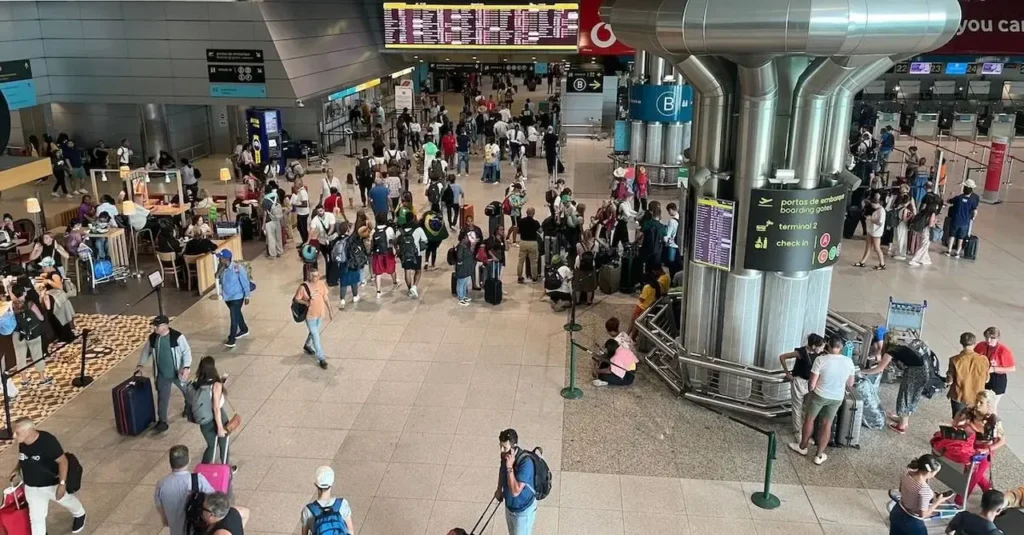
People who spend much of their working life in airports, hotels and unfamiliar cities pick up habits they’d otherwise never need, and those habits don’t stay in the suitcase. Five of them turn up repeatedly in family life, volunteering and community roles as well as in meetings.
1. Adaptability
Travellers who deal with rebooked flights, moved meetings and swapped hotel rooms learn to rework a plan within minutes, and the patience to do it without fuss usually comes with the practice. Rather than dwelling on each change, experienced travellers ask what’s still possible and move on to the next option. People used to rebooking a connection from a crowded departure hall tend to meet last-minute changes at home with the same ease. The same flexibility carries over into mentoring a junior colleague, coaching youth sport or becoming a foster carer, and the habit grows stronger with every trip.
2. Communication
Greetings, forms of address and attitudes to timekeeping vary widely around the world, so frequent travellers learn to watch how a room works before speaking, choose plain wording and check that everyone has understood. The habit transfers easily to parents’ evenings, committee meetings and conversations with relatives who see things differently, where listening first and keeping the language simple usually earns a better hearing. Listening for what’s left unsaid, such as hesitation or a change of subject, comes naturally with time, and small talk with strangers gets easier.
3. Preparation
A carry-on bag, a charger that fits local sockets and printed confirmations for places with patchy signal become automatic after a few months of regular trips. Working backwards from the departure time, checking documents the evening before and keeping essentials in one place also saves minutes at home, whether the occasion is a school morning, a hospital appointment or a family holiday. Those routines build a quiet confidence that little will be forgotten, and an urgent trip doesn’t turn into a scramble when the documents are already close to hand.
4. Energy Management
Travellers on long hauls or early starts learn to look after their energy, and many begin adjusting sleep times, mealtimes and light exposure in the days before departure. That attention to sleep, food and daylight carries into life at home, where it helps with night work, the early weeks with a new baby or any stretch of broken sleep. Planning meals, light and movement around the day ahead keeps energy more even, which helps on a long drive to see family or on a busy day of errands.
5. Prioritising
Short trips leave little room for anything unnecessary, so travellers get good at deciding what has to happen today, what can wait until the return flight and what can be dropped altogether without much trouble. Back home that sorting helps with a crowded week of deadlines, school runs, appointments and chores, and colleagues, friends and family tend to notice the more even pace. These five habits are easy to overlook while travelling, yet they’re worth recognising and putting to use well beyond the next departure gate.


