


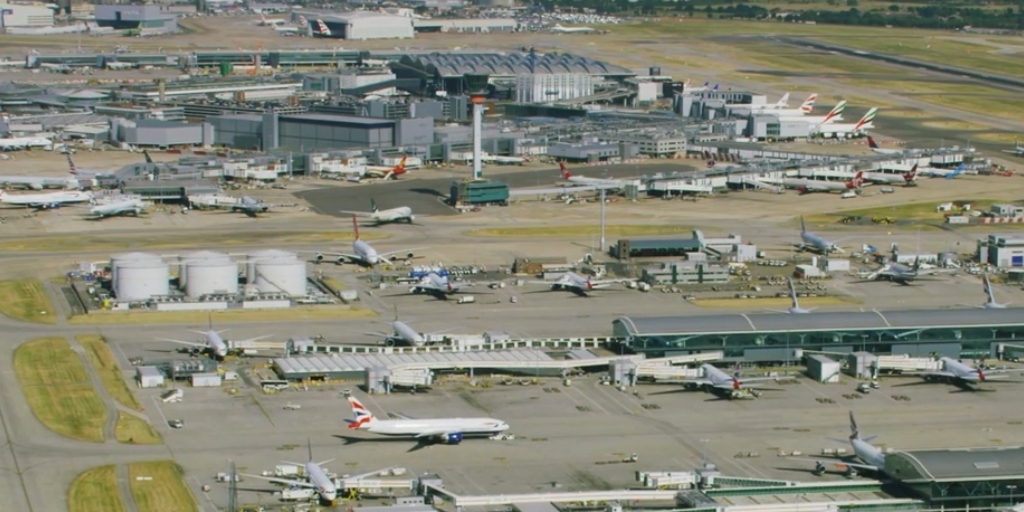
Delta Air Lines chief executive Ed Bastian has promised to pursue every available remedy against Heathrow Airport, setting up a fight over the Delta Heathrow Terminal 4 plan that matters to any company sending staff between London and the US.
In a statement issued on 2 November, Bastian said the decision to relocate Delta’s operation to Terminal 4, away from joint venture partner Virgin Atlantic, was “short-sighted, deeply disappointing and bad for airline consumers”. Heathrow began informing airlines of the outcome of its terminal occupancy review on 27 October, with the changes expected to take effect in 2028.
Bastian pointed to the two airlines’ shared base as the heart of their offer. “For more than a decade, our airlines have served millions of customers through our co-located operation in Terminal 3, offering travelers convenient connections, premium amenities and access to an expanded global network,” he said.
Delta is due to fly from Terminal 4 from 2028, alongside SkyTeam partners Air France and KLM, while Virgin Atlantic stays in Terminal 3. Until then nothing changes, and both airlines continue to operate side by side in Terminal 3.
The Delta Heathrow Terminal 4 switch is one part of a wider Heathrow terminal move affecting five carriers. Finnair and Japan Airlines are also leaving Terminal 3 for Terminal 4, LATAM is moving from Terminal 3 to Terminal 2, and China Southern is heading from Terminal 4 to Terminal 5, according to reports of the review’s outcome.
What the Delta Heathrow Terminal 4 plan means for business travel
For corporate travellers, much of the joint venture’s appeal has rested on simplicity: one terminal, shared check-in areas and short, predictable connections between Delta and Virgin Atlantic flights. Once the two airlines sit in different terminals, anyone connecting between them will need to transfer from Terminal 4 to Terminal 3, adding time and a degree of risk to itineraries that currently involve no terminal change at all.

Premium travellers are likely to notice the difference too. Delta’s business class passengers currently use Virgin Atlantic’s Clubhouse lounge in Terminal 3, a benefit that industry reports expect to be affected once Delta relocates.
Travel managers have time to prepare, but the change is worth raising with travel management companies now. Bookings for 2028 should be checked for the correct terminal, and travel policy should allow realistic connection times for trips that combine Delta and Virgin Atlantic flights. Our Heathrow airport guide explains how long crossing between terminals can take, and why it pays to plan for it.
Delta and Virgin Atlantic push back
Bastian framed the dispute as a question of competition on transatlantic routes. “Delta and Virgin Atlantic provide UK consumers with a valuable competitive alternative across the Atlantic,” he said, adding that separating the operation “undermines years of investment and disregards the tightly integrated customer benefits that we offer in our co-located terminal”.
He urged Heathrow Airport Limited “to reconsider their decision in favor of a more prudent and thoughtful outcome that puts travelers first and allows competition to flourish at Heathrow”.
Virgin Atlantic had already objected. Its chief executive, Corneel Koster, said last week that moving Delta to Terminal 4 would “create friction for customers, weaken competition and reduce choice”. Heathrow has argued that the reallocation will ease congestion and make better use of its terminal capacity as passenger numbers grow.
With the relocation not due until 2028 and both airlines weighing their options, the final shape of the Delta Heathrow Terminal 4 arrangement may yet change. For now, firms with regular transatlantic travel should treat 2028 as the working assumption and keep a close eye on how the dispute develops.


