


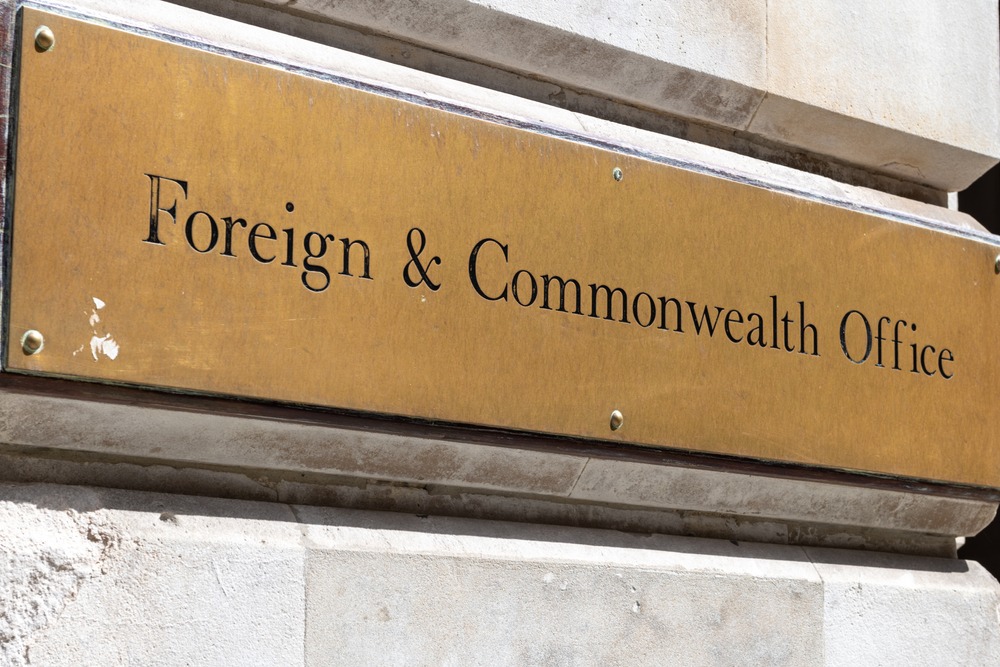
The Foreign, Commonwealth and Development Office (FCDO) has hardened its Saudi Arabia travel advice, warning British nationals against all but essential travel to almost the whole of the Kingdom and casting doubt over business travel to one of the Gulf’s most important corporate markets.
The change follows a serious incident at King Khalid International Airport in Riyadh on 10 October 2026, which the FCDO says was struck by a missile, and a run of missile and drone attacks linked to the conflict in neighbouring Yemen. The guidance was last updated on 27 October 2026.
The FCDO now advises against all travel within 10 kilometres of the Saudi-Yemen border and against all but essential travel to the rest of Saudi Arabia. Earlier versions focused on named regions and cities, making this the broadest UK warning issued for the country in recent years.
What the new Saudi Arabia travel advice says
British nationals have been told to keep away from King Khalid International Airport until local authorities judge it to be secure. The advisory says airports, military facilities, ports and energy infrastructure across the country face a heightened threat, and describes further attacks and aviation disruption as “very likely”.
Riyadh, Jeddah, Dammam, Abha, Jizan, Najran and Yanbu are all named as cities at increased risk. The full FCDO travel advice for Saudi Arabia also urges those already in the country to monitor local media, follow official guidance and review their contingency plans.
The airport disruption has already had knock-on effects for UK travellers. We have reported on the extended suspension of operations at King Khalid International Airport, and Riyadh Air has since moved selected services, including its London Heathrow route, to Prince Naif bin Abdulaziz International Airport in Al Qassim, as set out in our report on Riyadh Air’s switch to Al Qassim.
Can you still travel to Saudi Arabia for work?
Yes. There is no outright ban, but the FCDO now advises that only essential journeys should go ahead across most of the country, so every trip needs a clear business case before it is booked.

That matters because travelling against FCDO advice can invalidate travel insurance. The FCDO’s own explanation of how its travel advice works notes that some policies will not provide cover where it advises against travel, while others may allow a claim if a trip is cancelled because the advice changes. Employers should check with their insurers whether existing corporate policies still protect staff heading to Riyadh, Jeddah or elsewhere in the Kingdom, and whether specialist cover is needed. Our guide, business travel insurance explained, sets out what typical policies include.
For those who do travel, contingency planning needs to go beyond flights. The FCDO suggests that British nationals wishing to leave Saudi Arabia consider travelling overland to a neighbouring country and flying from there, rather than relying on Saudi airports. Travel managers should build that option into duty of care plans and check that travellers carry up-to-date documents and any visas needed for onward travel.
Why the Saudi Arabia travel advice matters for companies
Saudi Arabia has spent heavily in recent years positioning itself as a global business and tourism destination, attracting international conferences, investment summits and corporate travel. The tougher UK stance may prompt companies to reassess travel plans, postpone non-urgent visits or move meetings online until the picture becomes clearer.
The advisory reflects growing concern about regional instability despite diplomatic efforts to ease tensions across the Middle East, and the FCDO warns that the security situation remains unpredictable.
Firms with staff already on the ground should confirm exactly who is in the country, make sure travellers have signed up for FCDO email alerts, and treat the latest Saudi Arabia travel advice as the starting point for any decision to send people out. Approval processes for Middle East trips may also need tightening, with sign-off from senior managers rather than line managers alone.
While it stops short of a ban, the revised guidance marks a clear shift in the UK government’s assessment of risk in Saudi Arabia, and shows how quickly regional conflict can reach one of the Middle East’s fastest-growing business travel markets.


