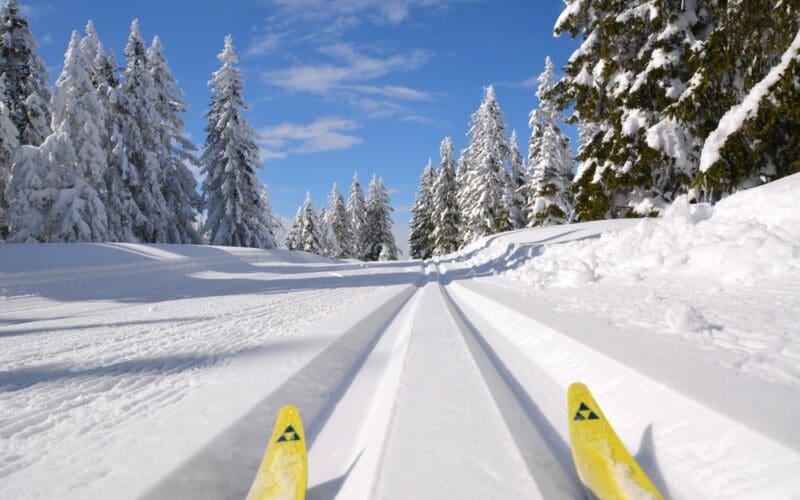
The ski season and the conference season overlap more than you’d think. A meeting in Geneva, Munich or Turin puts world-class slopes within an easy drive, and plenty of business travellers add a long weekend in the mountains. Many companies also plan incentive trips and team retreats around ski resorts. In all these cases, one question often gets missed: are you actually covered on the mountain?
Why your usual policy may not be enough
Most standard travel insurance policies treat skiing and snowboarding as hazardous activities and leave them out unless you add specific winter sports cover. The same can apply to corporate travel policies, which are designed around business activity. Leisure days added to a work trip, or activities on the snow, may fall outside them. If you’re relying on your employer’s cover, check with your travel manager or HR team in writing before you go.
Don’t rely on the Global Health Insurance Card (GHIC) on its own either. It gives UK residents access to state healthcare in the EU, but it won’t pay for mountain rescue, a helicopter off the slopes, private clinics or repatriation home. Those costs can quickly run into thousands of pounds.
What good winter sports cover includes
A good winter sports add-on goes beyond medical cover. Look for:
- Ski equipment: loss, theft or damage to your own skis or board, usually with a lower limit for hired kit.
- Hire of replacement kit: if your equipment is lost, stolen, damaged or delayed in transit, often for more than 24 hours.
- Unused ski pack and lift pass: a refund for days you couldn’t use after an accident, injury or illness.
- Piste closure: compensation if lack of snow, too much snow or an avalanche closes the resort. This usually applies only during the resort’s published season.
- Avalanche or landslide delay: extra accommodation and travel costs if you’re held up for 24 hours or more.
The small print that catches people out
- Age limits: some insurers won’t offer winter sports cover to older travellers. Urban Jungle, for example, doesn’t offer its add-on to anyone aged 66 or over.
- Unattended kit: skis left outside a café or bar while you have lunch are often not covered. If kit is left in a car, it usually has to be locked out of sight in the boot or a locked roof box.
- Off-piste: cover is often limited to off-piste skiing within resort boundaries. Backcountry skiing or ski touring may need a specialist policy.
- Known closures: if a resort had already announced a closure, or the lack of snow was public before you bought your policy or booked, you probably won’t be able to claim.
- Personal liability: some activities, such as snowmobiling or riding in a husky or reindeer sleigh, may be excluded from personal liability cover even when winter sports cover is in place.
- Proof: keep receipts for your kit, and get a police or resort report for any theft or accident. Without evidence, claims can be refused.
Check local rules too. Some countries, including Italy, require skiers to carry third-party liability insurance and wear a helmet under certain conditions.
Annual policies and frequent travellers
For anyone who travels often, an annual multi-trip policy is usually the most cost-effective choice, and many insurers let you add winter sports cover only when you need it. With Urban Jungle, for example, customers can add winter sports cover to an existing annual policy online before a trip, with the premium adjusted to match. Wherever you buy, check whether there’s a limit on the number of winter sports days per year.
The bottom line
Before you head for the mountains, read the policy wording carefully and match it to your plans: where you’ll ski, what activities you’ll try and what kit you’re taking. A few minutes of checking now could save a very expensive lesson later.