Heathrow chief casts doubt on deliverability of third runway
Heathrow chief executive Thomas Woldbye has warned that planning and regulatory hurdles could delay or derail the government-backed £49bn third runway expansion.


Heathrow chief executive Thomas Woldbye has warned that planning and regulatory hurdles could delay or derail the government-backed £49bn third runway expansion.
The £1.2bn redevelopment of Liverpool Street station, including a new Andaz hotel tower, has secured planning approval despite objections from heritage bodies and campaigners.
A Barcelona commercial court has warned Ryanair it could face criminal proceedings if it fails to comply with orders to cease alleged denigration of eDreams ODIGEO.
Hyatt has called on City of London planners to reject or delay Network Rail’s £1.2bn Liverpool Street redevelopment, warning the scheme risks being financially unviable and undeliverable.
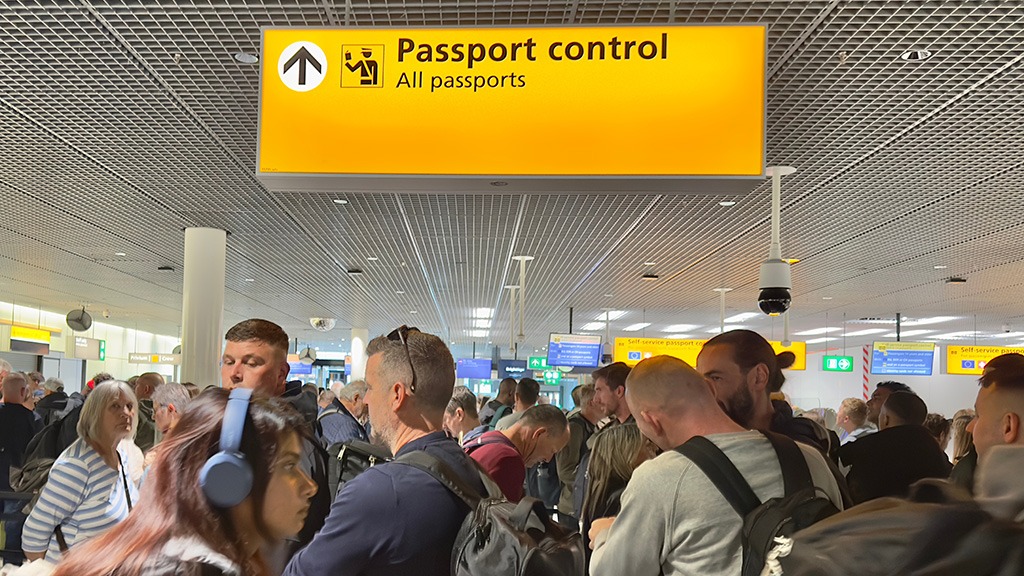
Travellers face warnings of long passport control queues at European airports as the EU’s new Entry-Exit System continues its rollout, with industry bodies cautioning delays of up to six hours…
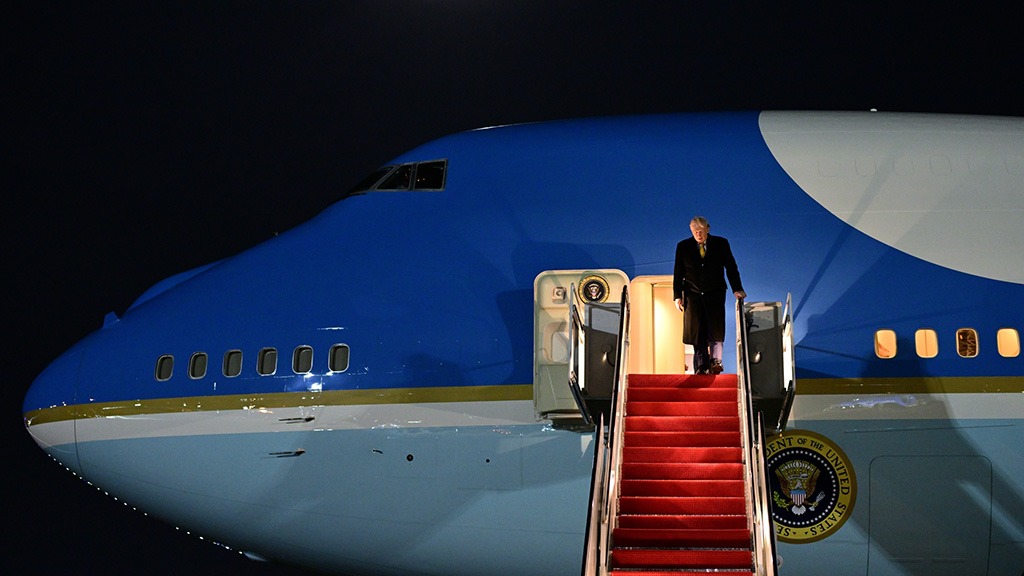
Florida lawmakers are advancing legislation that would allow Palm Beach International Airport to be renamed Donald J. Trump International Airport, subject to FAA approval.
Saudi Arabia made a strong impression at Destinations London 2026, with the Saudi Tourism Authority unveiling an immersive cultural showcase highlighting heritage, hospitality and year-round travel experiences.
When travellers step into The New Terminal One at John F. Kennedy International Airport, they will encounter more than a gateway to the world.
Spain’s airport network handled a record 384.8 million passengers in 2025, with strong growth at Madrid, Barcelona, Málaga and Alicante underlining a surge in tourism and business travel.
Corporate Travel Management founder Jamie Pherous has resigned as chief executive amid an overcharging scandal in the UK that could exceed $150m, deepening investor concerns.
Kayak for Business has launched a new events travel booking feature, allowing companies to manage attendee travel, payments and policy compliance for meetings and events within one platform.
Navan is consolidating Reed & Mackay under a single Navan brand and migrating clients onto its travel and expense platform, creating a new premium service tier for global corporate customers.