


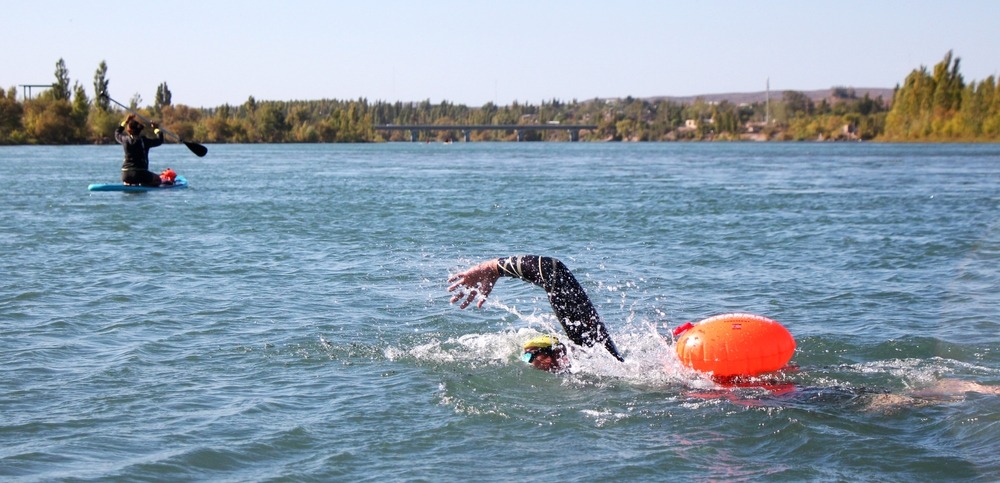
Wild swimming has quietly become one of the UK’s most restorative outdoor rituals, a way to reconnect with nature, reset the mind, and feel the thrill of cold water against the skin.
From mirror‑still lakes to tumbling waterfalls and tidal coves, the UK offers an extraordinary variety of places to take the plunge. Whether you’re a seasoned dipper or a curious first‑timer, the country’s rivers, lakes and coastal pools promise something unforgettable.
Where to Swim: From Lakes to Waterfalls
In England, the Lake District remains the spiritual home of wild swimming. Windermere, Buttermere and Crummock Water offer calm, scenic swims framed by fells, while the hidden tarns such as Blea Tarn, Styhead Tarn, Angle Tarn feel wonderfully remote. Further south, Dartmoor’s granite‑lined rivers and natural plunge pools, such as Sharrah Pool on the River Dart, offer a wilder, woodland‑wrapped experience.
Wales is blessed with dramatic swimming spots. Snowdonia’s Llynnau Mymbyr and Llyn Dinas are serene and cinematic, while the Brecon Beacons hide cool, fern‑lined pools beneath waterfalls like Sgwd yr Eira. For coastal swimmers, Pembrokeshire’s sheltered coves and clear waters are hard to beat.
Scotland, meanwhile, offers some of the most spectacular wild swimming in Europe. The Fairy Pools on Skye, with their turquoise clarity, are iconic, while the lochs – Lomond, Morlich, Maree = provide vast, peaceful expanses for longer swims. On warm days, the Outer Hebrides feel almost tropical, with white sand and glassy water.
Closer to city life, Londoners can dip at Hampstead Ponds, Bristol swimmers head to Warleigh Weir, and the Peak District’s Three Shires Head remains a favourite for its waterfall‑fed pools.
What to Bring: Kit for Comfort and Safety
Wild swimming doesn’t require much, but the right kit makes all the difference. A swimsuit or wetsuit (the latter essential in colder months), neoprene gloves and socks, and a bright tow float for visibility are good starting points. A microfibre towel, warm layers, and a woolly hat are essential for after your swim – you’ll cool down quickly once you’re out of the water.
Many swimmers also carry a dry bag, a waterproof phone pouch, and a hot drink for the post‑dip warm‑up. Footwear matters too: riverbeds can be rocky or slippery, so water shoes or old trainers help protect your feet.
Safety First: Know the Water
The golden rule of wild swimming is simple: respect the water. Always check entry and exit points before you get in, avoid swimming alone, and never jump into unknown depths. Rivers can hide strong currents, even when they look calm, and reservoirs often have hidden hazards and cold spots.
Cold‑water shock is real, so enter slowly, control your breathing, and keep swims short in winter. If you’re swimming in the sea, check tides and avoid rip currents. And always choose spots that are legal, accessible, and recommended by local swimmers.
The Joy of the Dip
What keeps people coming back to wild swimming isn’t just the scenery – it’s the feeling. The moment your body adjusts to the cold, the world sharpens: colours brighten, thoughts clear, and the mind quietens. It’s a reset button disguised as a simple swim.
Wild swimming offers something rare: a moment of pure presence, surrounded by nature, powered only by your own breath and bravery.