


As businesses increasingly prioritise sustainability in their operations, corporate travel presents a notable challenge.
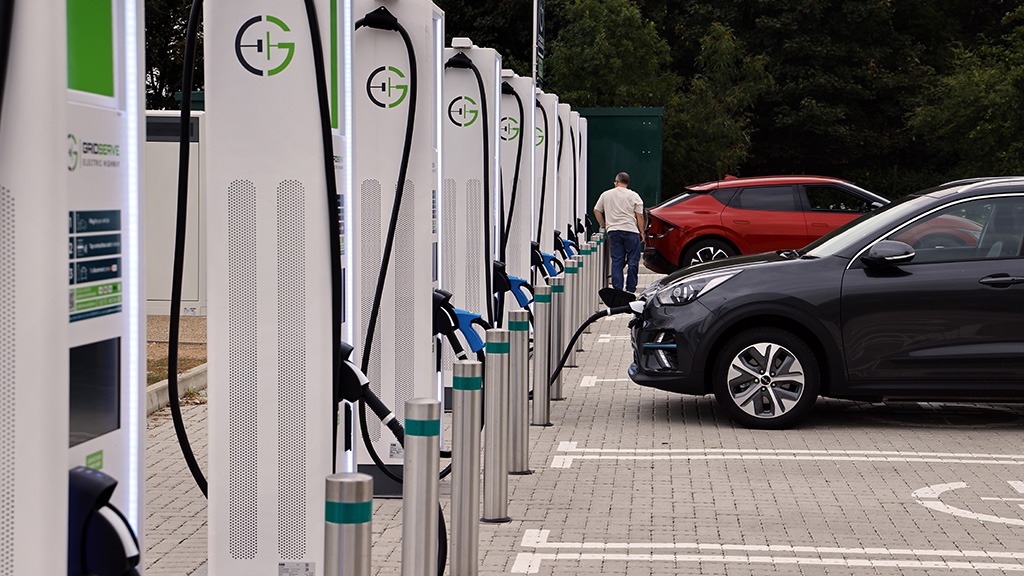
Airport transfers, in particular, account for a substantial portion of business travel emissions, with traditional taxis and private hire vehicles contributing to urban air pollution. Many transport hubs now implement dedicated charging bays and priority lanes for electric vehicles, creating smoother traffic flow and supporting cleaner travel practices, a trend reflected in recent discussions about local environmental impact policies. This coordinated approach reduces queue times, improves taxi turnover, and makes electric taxis more reliable for early-morning or late-night corporate flights.
The shift towards electric transport options is gaining momentum across the UK’s business travel sector. There are now tens of thousands of public charging points available nationwide, making electric vehicle use increasingly viable for business travellers.
For companies managing regular airport transfers, the environmental and financial benefits of electric transport are attractive. Beyond reducing carbon footprints, electric vehicles offer lower operating costs over their lifetime compared to traditional combustion engines.
The Business Case for Sustainable Airport Transfers
Corporate sustainability commitments are driving notable changes in transport policies. Many organisations now include taxi journeys in their emissions reduction targets. This creates a strong business case for adopting greener airport transfer solutions.
Business travel managers can explore electric taxi options for greener city driving to achieve environmental and financial benefits. Electric taxis typically cost less to operate than conventional vehicles.
UK businesses must also consider regulatory compliance. Clean Air Zones in London, Birmingham, and Manchester impose fees on high-emission vehicles. Adopting electric taxis now helps companies avoid these additional costs.
Sustainable airport transfers also improve employee satisfaction. Business travellers increasingly prefer green travel options, particularly younger staff members. Offering environmentally responsible transfer choices can support talent attraction and retention.
Electric Vehicle Infrastructure at UK Airports
Gatwick Airport opened a dedicated electric vehicle charging forecourt in 2023. Manchester and Edinburgh airports now offer multiple charging bays, making electric taxis more viable for business travellers.
The typical journey from central London to Heathrow spans approximately 15-20 miles. This distance falls well within the range of modern electric taxis on a single charge. Fleet operator data shows that business travellers can complete airport journeys without requiring mid-trip charging.
Checking battery levels and routes before departure maintains service quality even during peak travel periods.
Companies can book electric taxis through advance reservation or on-demand services. Pre-booking guarantees vehicle availability and scheduled pickup times. On-demand services work for last-minute requirements but depend on local electric taxi availability, and wider charging infrastructure continues to evolve to support consistent service levels.
The nationwide expansion of rapid charging networks supports greener transport options beyond major cities. This infrastructure growth enables companies to use consistent green transfer policies across multiple UK locations.
Implementing Electric Transfers in Corporate Travel Policies
Incorporating electric airport transfers into corporate travel policies requires a planned approach. Travel policies should include specific language that prioritises electric or hybrid taxis whenever available, and recent corporate EV travel guidance shows how organisations align transport choices with broader sustainability goals. This sets clear expectations and connects daily booking practices with sustainability goals.
Cost considerations remain important. In London, fares from the city centre to Heathrow are comparable between electric and conventional taxis. While initial pricing appears similar, companies benefit from long-term savings through reduced fuel and maintenance expenses.
However, airport transfers rarely exceed the range capabilities of modern electric taxis. Most business routes fall comfortably within operational ranges, as confirmed by fleet management data.
Travel coordinators should request performance metrics from taxi providers regarding reliability and fleet availability.
Integration with expense management systems improves tracking capabilities. Travel platforms like SAP Concur and Egencia offer carbon calculation features that quantify emissions for each journey. Accurate recording of vehicle types and trip details ensures proper emissions accounting.
Measuring and Reporting Transfer-Related Emissions
Accurate measurement of emissions from airport transfers is important for companies aiming to track and reduce their environmental impact. Standard approaches often involve calculating emissions based on journey distances and vehicle types, and government emissions reporting standards help ensure that emissions factors remain current and consistent across reporting frameworks.
For electric taxis, companies may need to consider factors such as grid electricity usage and charging energy consumption. Ensuring the use of up-to-date data and accounting for changes in grid carbon intensity can help maintain accuracy in emissions reporting.
When companies introduce structured monitoring, trends emerge quickly. Travel teams gain visibility over their highest-emission routes and can adjust booking rules to favour electric taxis on predictable, short-distance airport journeys. This data-driven approach supports continuous improvement and helps organisations demonstrate clear year-on-year progress.
Case Study: Greenfield Consulting
Greenfield Consulting, a medium-sized UK consultancy, reported a significant reduction in their transfer emissions within twelve months. They implemented a policy requiring electric taxis for all airport transfers under 30 miles. Their success came from clear policy language and integration with their expense management system.
When booking processes remain familiar with only the vehicle type changing, staff adjustments occur quickly. Benefits include simplified compliance reporting and faster progress toward sustainability targets.
Electric airport transfers offer companies a practical way to cut emissions, reduce operating costs, and align daily travel decisions with sustainability commitments. Clear policies, reliable data, and consistent monitoring help employers guide staff toward low-emission choices without disrupting established travel routines. With the right structure in place, switching to electric taxis becomes a straightforward step that delivers measurable environmental and financial benefits.