


For years, airport lounges were positioned as quiet retreats, a place to escape the terminal, grab a coffee, and wait. That expectation no longer matches how business travellers move through airports in 2026.
Hybrid working, tighter schedules, and higher expectations around comfort have reshaped what “premium” really means.
Airlines and airports are responding by reframing lounges as multi-purpose environments. Workspaces, dining zones, wellness features, and discreet leisure options now sit side by side. The goal is no longer simply exclusivity, but usefulness.
This shift matters because time in transit is no longer considered dead time. For corporate travellers, every minute between meetings, flights, and connections is now expected to deliver value.
Airlines Expanding Lounge Value
The first sign of change is how airlines describe their lounges. Marketing language has moved away from privacy and towards productivity, flexibility, and experience. Lounges are increasingly pitched as places to work efficiently, reset mentally, and even enjoy light entertainment without leaving the airport ecosystem.
Alongside improved food and beverage offers, many lounges now support short bursts of downtime. This includes access to digital entertainment via personal devices, which some travellers use between emails or calls. For those already comfortable with casual online play, browsing resources like UK poker sites with highest traffic fits naturally into these short breaks, reflecting how discreet leisure is blending into business travel routines without dominating them.
Behind this repositioning is real commercial weight. UK business-oriented airport lounge services were valued at USD 0.38 billion last year, according to the airport lounges market report, underlining how central productivity-led amenities have become to airline and airport strategies.
Design Shifts In Premium Spaces
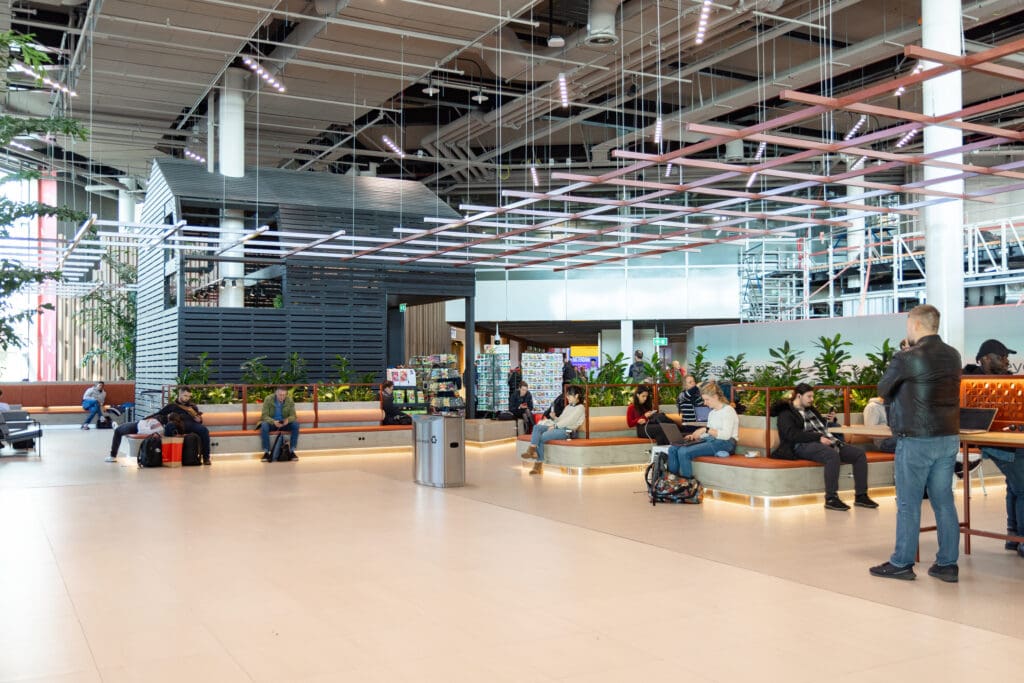
Physical design tells the same story. Traditional rows of armchairs are being replaced with zoned layouts that mirror modern offices and hotels. Quiet booths sit alongside collaborative tables, while lighting and acoustics are tuned for long laptop sessions rather than short waits.
Well-being is now part of the design brief. Some lounges feature wellness terraces, stretching areas, or spa-style treatments, acknowledging that productivity depends on more than power sockets and Wi‑Fi. These features are especially valuable on long-haul routes, where recovery and readiness matter as much as connectivity.
Micro-lounges are also emerging in response to shorter dwell times. These compact spaces prioritise speed and focus, catering to travellers who need 20 minutes of calm rather than hours of indulgence.
Digital Entertainment During Layovers
Technology underpins almost every aspect of the modern lounge. Biometric entry, app-based access, and reliable high-speed internet reduce friction and free up time. That saved time is often reinvested into work, but not always.
According to Priority Pass research, 45% of travellers gain an extra 10–30 minutes per trip thanks to airport automation, while 37% say these technologies make them more likely to use lounges. This creates space for flexible behaviour, where a video call might be followed by a short mental reset using personal entertainment apps.
Crucially, this leisure remains optional and discreet. Lounges are not becoming arcades; they are becoming adaptable environments that respect individual rhythms.
What Lounges Now Signal To Corporates
For travel managers and corporate decision-makers, lounges increasingly signal how well an airline understands modern work patterns. Access is no longer a perk reserved for senior executives, but a productivity tool that supports employee performance and wellbeing.
The real question is not whether lounges offer luxury, but whether they reduce stress, save time, and help travellers arrive ready to perform. As airlines compete on experience rather than just schedules, lounges have become a visible marker of brand alignment with corporate needs.
In that sense, the evolution of airport lounges reflects a broader shift in business travel. The most valuable spaces are those that recognise travellers as professionals with complex, blended needs — and design accordingly.