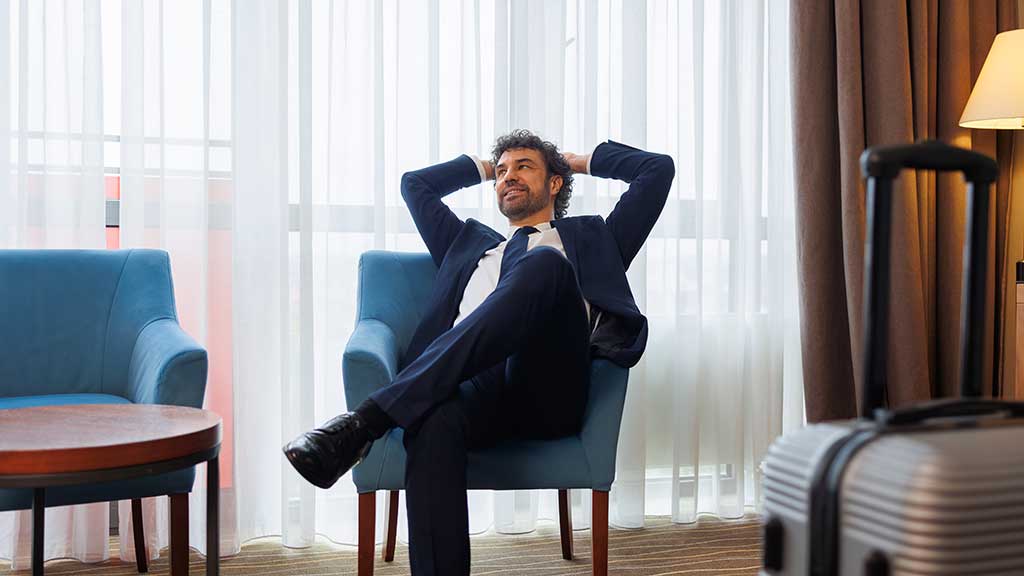
Bleisure travel — that neat blending of business and leisure — has pushed hotels to become destinations in their own right, and few properties have leaned into this as boldly as the grand resorts of Macau, Singapore and the Nevada desert. For the well-travelled decision-maker, the space between meetings has become an experience worth savouring, and the entertainment on offer is a big part of the draw.
That appetite for flexible, on-demand leisure extends well beyond the resort floor. Increasingly, UK-based executives who enjoy the atmosphere of a gaming lounge look for ways to carry a slice of that entertainment with them, and this is where the growing interest in Non-GamStop online casinos comes into the picture. These are gaming sites accessible to UK players that sit outside the GamStop scheme, offering a broader selection of games and fewer built-in restrictions than mainstream domestic options. Resources such as shekicks.net catalogue and compare these sites for a British audience, which matters to the frequent traveller who might be sitting in a Singapore hotel suite at midnight, wide awake from jet lag, and looking for the same style of entertainment they enjoy at home. For the discerning guest, the ability to unwind on their own terms — whether at the tables downstairs or on a tablet upstairs — is precisely the kind of flexibility bleisure travel is built around.
From Smoke-Filled Rooms to Design-Led Destinations
Cast the mind back a few decades and the resort had a very different reputation. It was somewhere you went to gamble and little else — dimly lit, single-purpose and rarely a place a company would happily list on an expense claim. The rooms were an afterthought, the dining functional, and the idea of a chief executive scheduling downtime there would have raised eyebrows.
The contrast with today could hardly be sharper. Modern integrated resorts are architectural showpieces, designed by the same names behind the world’s most celebrated hotels. Singapore’s Marina Bay Sands, with its rooftop infinity pool suspended over the skyline, is arguably better known as a wellness and dining destination than as a gaming venue. Guests come for the Michelin-starred restaurants, the spa treatments and the convention halls that host some of Asia’s largest business gatherings. The gaming floor is simply one thread in a much richer tapestry — and that reinvention is exactly what makes these places viable stops on a corporate itinerary.
The Macau Blueprint
Nowhere illustrates the transformation better than Macau. The former Portuguese enclave reinvented itself with astonishing speed, turning a modest gaming district into a skyline of mega-resorts that now rivals anything in the world. As one photographer observed in a feature on the region, developers ‘created a Vegas in 10 years’, a pace of change that reshaped an entire destination and its place on the executive map.
What draws business travellers today is not the gaming tables alone but the sheer breadth of the offer. An executive attending a conference in the Cotai Strip can move from a morning of meetings to an afternoon spa session, an evening at a stage show and a late supper without ever stepping outside. The resort becomes a self-contained world, engineered so that downtime is as effortless as the working day is productive.
Why the Bleisure Traveller Fits the Model
The appeal to the modern executive is easy to understand. Time is the scarcest currency on a business trip, and resorts that fold accommodation, dining, wellness and entertainment into a single location save precious hours. There is no taxi to hail after a long meeting, no restaurant to hunt down in an unfamiliar city. Everything sits within a lift ride. Detailed guides to Macao’s luxury hotels describe resorts complete with canal networks, theatre productions, designer shopping arcades and sprawling wellness centres — precisely the sort of all-in-one convenience the time-pressed traveller craves.
There is also the question of atmosphere. A traveller decompressing after a tense negotiation may not want the sterile quiet of a standard business hotel. The buzz of a resort — the low hum of a gaming floor, the clink of a rooftop bar, the murmur of a theatre crowd — offers a genuine change of gear. That psychological reset, the sense of stepping out of work mode entirely, is something wellness researchers increasingly recognise as valuable for high-pressure professionals.
The Rise of Personalised Downtime
If the last decade was about building ever-grander resorts, the current shift is towards personalisation. Executives no longer want a one-size-fits-all evening programme; they want to choose their own pace. Some head straight for the spa, others for the golf course, others for a quiet suite and a screen.
This is where the digital dimension has become part of the picture. The same guest who enjoys a resort’s gaming lounge in the evening might prefer the privacy of their room later on, dipping into online entertainment tailored to their tastes. Loyalty schemes, Avios accounts and app-based concierge services have trained the frequent flyer to expect seamless, personalised leisure, and the resorts that thrive are those that meet guests wherever they happen to be.
What Comes Next
The direction of travel is clear. Luxury resorts have shed their single-purpose past and reinvented themselves as full-service destinations where business and pleasure sit side by side. For the UK executive weighing up where to hold the next conference or spend a rare free evening abroad, these properties now offer something they simply could not a generation ago: a place to work hard, unwind properly, and do both without leaving the building.