Planning a journey to Israel is an exciting endeavor that promises spiritual enrichment, historical discovery, and unforgettable experiences.
Whether you’re drawn to ancient biblical sites, vibrant modern cities, or the stunning landscapes that stretch from the Mediterranean to the Dead Sea, proper planning ensures you’ll make the most of your visit. This guide will walk you through everything you need to know to create an incredible Israeli adventure.
Deciding on the Best Time to Visit
Israel’s climate varies significantly depending on the season and region you plan to explore. Spring (March to May) and fall (September to November) offer the most comfortable weather conditions, with mild temperatures and minimal rainfall. These seasons are ideal for walking tours and outdoor exploration.
Summer months can be intensely hot, especially in Jerusalem and the southern desert regions, with temperatures often exceeding 90°F. However, coastal cities like Tel Aviv remain pleasant with sea breezes. Winter brings cooler temperatures and occasional rain, but it’s also the least crowded season, offering a more intimate experience at popular sites.
Consider religious holidays and festivals when planning your dates. Major Jewish holidays like Passover and Rosh Hashanah can affect transportation and site accessibility, while Christian holidays bring special celebrations to holy sites. These periods offer unique cultural experiences but require advance booking due to increased visitor numbers.
Choosing Your Destinations and Creating an Itinerary
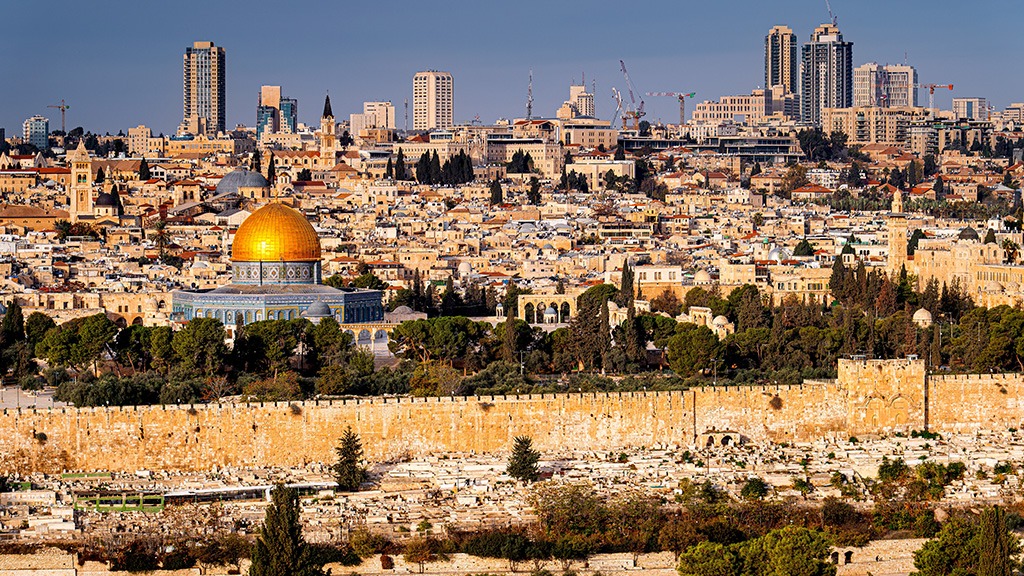
Israel may be small in size, but it’s packed with diverse destinations that could fill months of exploration. Jerusalem stands as the crown jewel for most visitors, offering the Western Wall, the Church of the Holy Sepulchre, and the atmospheric Old City quarters. Allocate at least three full days to properly experience this profound city.
Tel Aviv provides a striking contrast with its modern beaches, bustling markets, and world-class dining scene. The ancient port city of Jaffa, now part of Tel Aviv, offers charming stone alleyways and artist galleries. Further north, the Galilee region encompasses Nazareth, the Sea of Galilee, and Capernaum, sites deeply connected to biblical narratives.
Don’t overlook the Dead Sea, where you can float in mineral-rich waters, and the dramatic desert fortress of Masada. Many travelers also include Bethlehem, though it requires crossing into the West Bank. For those seeking comprehensive spiritual experiences, Israel Christian tours provide expertly guided itineraries that connect biblical history with present-day locations.
Arranging Transportation and Accommodation
Israel’s compact size makes it surprisingly easy to navigate, though transportation options vary by preference and budget. Renting a car offers maximum flexibility for exploring at your own pace, and driving distances are manageable—Jerusalem to Tel Aviv takes just an hour. However, parking in major cities can be challenging and expensive.
Public transportation is reliable and affordable, with buses connecting most destinations. Trains run between Tel Aviv, Jerusalem, and northern cities, offering comfortable travel options. Keep in mind that public transport doesn’t operate from Friday evening through Saturday evening due to Shabbat observance.
Accommodation ranges from luxury hotels in major cities to family-run guesthouses and kibbutz lodgings. Jerusalem and Tel Aviv offer the widest selection, while smaller towns provide more authentic local experiences. Book well in advance during peak seasons and holidays, as quality options fill quickly.
Understanding Practical Considerations
Ensure your passport has at least six months validity beyond your travel dates. Most Western visitors receive a free tourist visa upon arrival, valid for 90 days. Travel insurance is highly recommended, covering both medical emergencies and trip disruptions.
Israel uses the New Israeli Shekel, though credit cards are widely accepted. ATMs are readily available in cities and towns. Tipping is customary—10-15% in restaurants and small amounts for tour guides and hotel staff.
Dress modestly when visiting religious sites, covering shoulders and knees. Women should carry a scarf for entering certain holy places. Security is taken seriously throughout Israel, so expect bag checks at major attractions and be patient with security procedures.
Preparing for a Meaningful Experience
Learning basic Hebrew phrases enhances your experience, though English is widely spoken in tourist areas. Download helpful apps like Moovit for public transport navigation and Google Translate for communication assistance.
Research the historical and spiritual significance of sites you plan to visit. This preparation deepens your appreciation and emotional connection to locations that have shaped human history for millennia. Consider purchasing a guidebook or downloading audio tours for self-guided exploration.
Pack comfortable walking shoes, as you’ll spend considerable time on foot exploring ancient streets and archaeological sites. Bring layers for temperature variations, especially if visiting different regions or elevations in a single day.
Making Your Journey Unforgettable
The perfect trip to Israel balances careful planning with flexibility for spontaneous discoveries. Allow time to wander through markets, sample local cuisine, and engage with residents who are often eager to share their stories. Some of your most memorable moments may come from unplanned encounters and unexpected detours.
With thoughtful preparation addressing timing, destinations, logistics, and cultural awareness, your Israeli journey will exceed expectations. This ancient land continues to captivate modern travelers, offering transformative experiences that resonate long after you return home.