Long-haul flights and hotel bookings tend to dominate the planning process, but it’s frequently the shorter, in-between journeys — from the airport to a client meeting, or from a hotel to a conference venue — that eat up unexpected time and energy. This is the classic “last-mile problem,” and it’s one that a growing number of frequent travellers are solving with an unlikely tool: electric bikes for business travel.
Why the Last Mile Is So Disruptive
The last mile of any business trip rarely gets the attention it deserves in travel planning, yet it’s often where the most time is lost. Waiting for a taxi, navigating unfamiliar public transport ticketing systems, or walking a longer-than-expected distance in business attire can all chip away at a tight schedule. Multiply that across a multi-city trip, and the cumulative delay becomes significant. It’s not just about lost minutes either — arriving flustered or overheated before an important meeting has a real, if underappreciated, impact on how prepared and composed a traveller feels.
Where E-Bikes Fit In
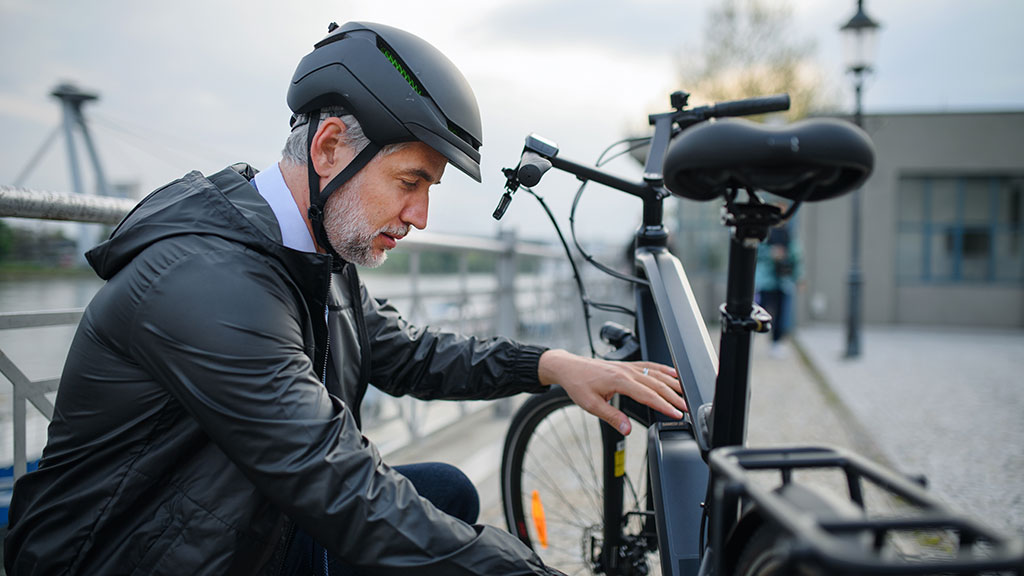
E-bikes occupy a useful middle ground between walking and relying on taxis or rideshare apps. They’re fast enough to cover a few kilometres quickly, flexible enough to avoid traffic congestion that stalls cars, and require far less physical exertion than a standard bicycle thanks to pedal-assist motors. For a traveller moving between a hotel and a nearby business district, this can mean the difference between arriving briskly on time and arriving late and apologising for it. Increasingly, business hubs and hotel groups are recognising this, with some properties offering e-bike rental or hire schemes specifically aimed at short-hop convenience.
Practical Considerations for Business Use
Adopting e-bikes for business travel does require a bit of planning. Professional attire isn’t always ideal for cycling, so riders often need to think about pace, route, and whether a light rain cover or pannier bag is worth packing. Folding e-bikes have become particularly popular in this context, since they can be brought into a hotel room, stored under a desk, or even carried onto certain trains, removing the worry of leaving an expensive item locked outside. Battery range is rarely an issue for short city hops, but travellers doing multiple trips across a single day should factor in a midday top-up if their schedule allows.
The Cost and Time Equation
For companies scrutinising travel expenses, the maths on e-bikes can be compelling. A short taxi ride in a major city can easily cost more than expected once surge pricing or airport surcharges are factored in, and traffic delays are unpredictable in a way that a dedicated cycle lane often isn’t. Over a multi-day trip involving several short journeys, the savings — both financial and in reclaimed time — can add up meaningfully. That’s before considering the wellness angle: a short ride in fresh air can be a welcome break between back-to-back meetings, something a taxi simply can’t offer.
A Growing Trend, Not a Fringe Choice
What’s notable is that this isn’t a niche behaviour confined to a small group of cycling enthusiasts. As more cities invest in dedicated cycling infrastructure and e-bike hire schemes become easier to access via app-based booking, the barrier to entry has dropped considerably. Business travellers who might never have considered cycling as part of a work trip are increasingly open to it, precisely because modern e-bikes require minimal effort and no specialist skill.
Final Thoughts
The last-mile problem isn’t going away, but the tools available to solve it are getting better. E-bikes offer a practical, increasingly accessible way to close that gap — faster than walking, more flexible than a taxi, and often considerably less stressful than either. For business travellers looking to reclaim a few minutes and a bit of composure before their next meeting, it’s worth seriously considering electric bikes for business travel as part of the regular travel toolkit.
FAQ
Are e-bikes practical for travellers without cycling experience? Yes. Pedal-assist motors do most of the work, making e-bikes accessible even to riders who haven’t cycled regularly, though it’s still worth a short practice ride before navigating unfamiliar city streets.
What should business travellers wear when using an e-bike? Comfortable, weather-appropriate clothing is ideal. Many travellers pack a light layer or rain cover and change once they arrive, rather than cycling in full business attire.
Are folding e-bikes a good option for multi-city trips? Folding models are popular for business travel because they’re easier to store in hotel rooms and, depending on size, can sometimes be brought onto trains or into offices.
How far can a typical e-bike travel on a single charge? This varies by model, but most business-oriented e-bikes comfortably cover the kind of short, last-mile distances relevant to city travel without needing a mid-day charge.