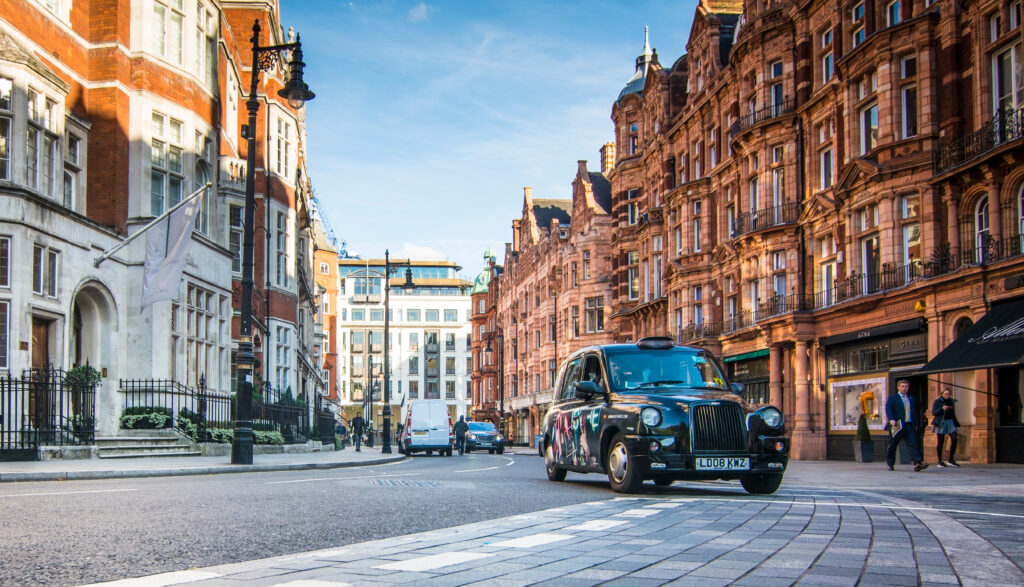
Business travellers arriving in Mayfair often find themselves with limited hours between meetings and flights. Over the decades, the way these guests have filled their evenings has changed considerably.
Where once options centred on in-room television or a quiet drink in the hotel bar, today’s properties now integrate far more adaptable forms of digital leisure that fit around irregular schedules and personal preferences. This shift reflects broader changes in how people approach downtime while away from home. Many now expect seamless access to streaming services, interactive apps and private online spaces that mirror what they enjoy at home. The result is a more personalised experience that respects both professional commitments and the need for genuine relaxation after long days of negotiations or presentations.
One noticeable development has been the embrace of flexible online entertainment options that travellers can access at any hour. For UK visitors accustomed to exploring a casino not on gamstop during their personal time, these hotel environments now make it easier to continue similar habits without leaving the premises or relying on fixed schedules. Properties have quietly upgraded their Wi-Fi infrastructure and soundproofing so that late-night sessions remain private and uninterrupted.
Early Days of Hotel Leisure
Decades ago, a stay in Mayfair typically meant relying on whatever the property itself provided after dark. Guests might browse a modest selection of channels or perhaps attend an organised event in the function rooms. The emphasis lay on the hotel’s own facilities rather than external choices that could be tailored to individual tastes. Business visitors often described evenings as predictable, with little room for variety once the working day ended. Menus were limited, and any sense of personal routine had to be set aside until the traveller returned home.
How Options Have Expanded
In recent years the picture has altered. Modern hotels recognise that guests arrive with their own devices and established routines. High-speed connections and thoughtful room design now support seamless access to a wide range of digital activities. Travellers can move between work emails and personal entertainment without friction, a marked contrast to earlier eras when connectivity was patchy and choices felt restricted. Many rooms now feature dedicated workspaces that convert easily into comfortable lounging areas once the laptop is closed.
This evolution suits the bleisure traveller particularly well. Someone attending morning conferences in central London might return to their room in the late afternoon and settle into an activity of their choosing, whether that involves catching up on series or exploring other online pursuits. The hotel becomes a quiet backdrop rather than the sole source of diversion. Guests frequently mention how the absence of rigid schedules allows them to recharge properly before the next round of meetings.
A Closer Look at 1 Hotel Mayfair, London, England – Hotel Review
The 1 Hotel Mayfair, London, England – Hotel Review highlights how sustainability and comfort now sit alongside these expanded leisure possibilities. Reviewers note the calm atmosphere and the way rooms encourage guests to linger, with technology that supports both productivity and relaxation. For those who value choice in how they spend their free moments, the property’s approach feels current rather than prescriptive. Many appreciate the eco-conscious room features that blend modern convenience with thoughtful environmental care.
Contemporary Experiences at Established Addresses
Further insight appears in the 1 Hotel Mayfair – London listing, which draws attention to the blend of heritage architecture and updated amenities. Guests appreciate the balance between classic Mayfair elegance and the practical needs of today’s corporate traveller. Evening routines can include anything from light reading to more interactive digital options, all managed from the same comfortable space. The property earns consistent praise in the Michelin hotel overview for maintaining high standards while adapting to changing guest expectations.
Other long-standing Mayfair hotels have followed similar paths. They have invested in reliable connectivity and neutral design that does not dictate how time is spent. The result is an environment where business visitors can maintain their preferred leisure patterns without drawing attention or navigating complicated arrangements. Staff members are trained to offer discreet assistance only when requested, preserving a sense of independence that frequent travellers value highly.
Practical Benefits for Frequent Travellers
The practical advantage becomes clear when schedules shift unexpectedly. A meeting that finishes early or a delayed departure can turn into several uninterrupted hours. Hotels that accommodate flexible entertainment remove the need to hunt for alternatives outside the building. This matters for those who prefer to stay within a familiar setting after a demanding day. Secure networks and intuitive interfaces mean guests spend less time troubleshooting and more time unwinding.
Many professionals now plan their stays around properties known for this kind of adaptability. They look for locations where the infrastructure supports personal routines rather than imposing its own timetable. The change from earlier decades, when guests accepted whatever was on offer, feels substantial once experienced first-hand. Repeat visitors often share stories of how these small improvements have transformed the overall quality of their trips.
Looking Ahead at Guest Priorities
As business travel continues to evolve, Mayfair properties are likely to refine these offerings further. The focus remains on creating spaces that respect both the demands of work and the value of personal downtime. For guests who already incorporate varied forms of online entertainment into their daily lives, these hotels provide an environment that feels consistent with home habits while delivering the luxury expected from the area. Future upgrades may include even more intuitive controls and enhanced privacy features that keep pace with emerging technologies.