In 2026, Cheltenham recorded 226,223 attendances across four days, an increase of 8,130 on the previous year. Aintree’s Grand National Festival drew more than 140,000 people over three days, while Royal Ascot recorded 294,541 attendances across five days, 2.8% more than in 2025.
Taken together, those reported totals amount to at least 660,764 attendances, with the final figure necessarily higher because Aintree was reported only as “more than 140,000”.
Those figures do not establish where every visitor travelled from. They do, however, explain why major race meetings require planning across rail services, roads, parking, accommodation and other visitor infrastructure.
Attendance Sets the Scale of the Operation
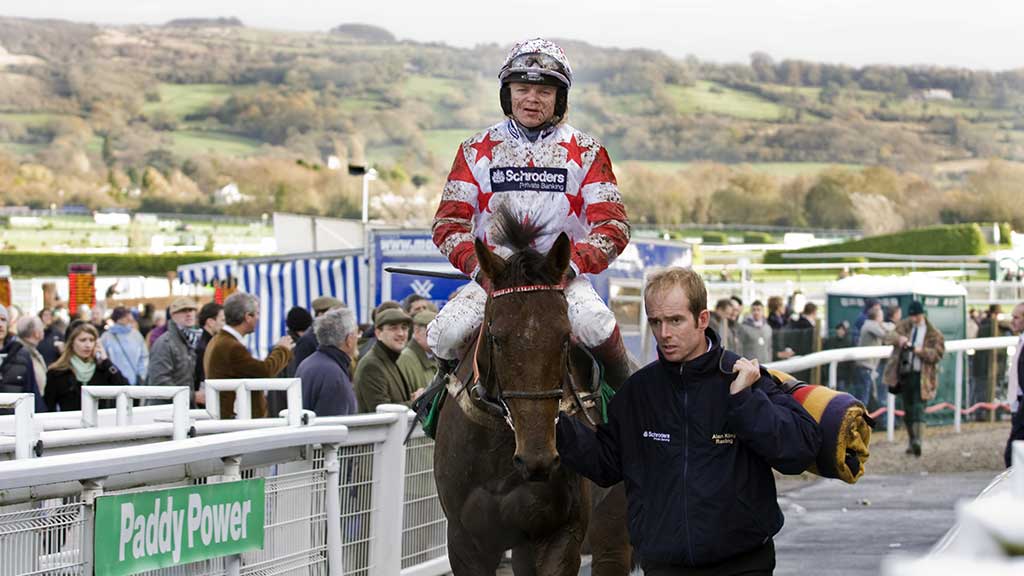
Cheltenham’s four-day Festival recorded 226,223 attendances in 2026, up 3.7% from 218,093 a year earlier.
At Aintree, Merseyside Police reported that more than 140,000 people attended the 2026 Grand National Festival across its three days. Ladies Day alone recorded 53,102 attendees. Police also noted that planning for an event of that scale takes place over several months with multiple partner agencies.
Royal Ascot was larger again by total attendance. Figures collated by the Horserace Betting Levy Board and analysed by the Racecourse Association put the five-day 2026 total at 294,541, 2.8% above 2025.
Other meetings use different measures and should not automatically be compared with those totals. At York’s 2026 Ebor Festival, the racecourse reported that overall attendance across the meeting increased by 3% year on year, while the closing Saturday drew a crowd approaching 27,000. Goodwood’s five-day summer meeting is another important date in the racing calendar, but percentage changes in individual enclosure categories are not equivalent to whole-festival attendance figures.
Why Major Meetings Require Travel Planning
Large attendance totals become a transport issue because arrivals and departures are compressed around race times rather than spread evenly across the day.
Cheltenham provides a clear example. The Jockey Club operates a dedicated shuttle linking Cheltenham Spa railway station, the town centre and the racecourse. Its Festival travel plan also includes a park-and-ride service from Arle Court and requires racecourse parking to be booked in advance.
Aintree requires similar co-ordination. For the 2025 Grand National Festival, the Liverpool City Region Combined Authority said rail and bus operators would provide additional services, with Merseyrail running trains at roughly seven-and-a-half-minute intervals before and after racing.
These arrangements are evidence of concentrated transport demand, but they should not be used to estimate where visitors originate. A shuttle from a railway station, for example, demonstrates the need to move passengers efficiently; it does not establish how many have travelled from another region or another country.
Visitor Spending Can Extend Beyond the Racecourse
A University of Gloucestershire economic-impact analysis estimated that the 2022 Cheltenham Festival generated £274 million in direct and indirect impact for the local economy, compared with approximately £100 million in the 2016 assessment. The analysis used an online questionnaire distributed to Festival attendees through Cheltenham Racecourse, asking respondents about expenditure connected with their visit.
More than half of respondents said they travelled to and from Cheltenham on the day they attended. Among respondents who stayed overnight, around one-third said they arrived at least a day before the Festival and stayed at least a day after it ended. The results describe respondents to the study rather than all racing visitors, but they illustrate why accommodation, hospitality and transport demand can extend beyond the race days themselves.
Racing takes place within a regulated betting environment, with the Gambling Commission overseeing commercial gambling in Great Britain. Sports betting is for adults only and should be approached responsibly; anyone concerned about their gambling can find information and support through the Gambling Commission’s safer-gambling guidance.
Local Effects Are Not Distributed Evenly
A large event does not necessarily benefit every part of a host town at the same time.
For the 2026 Cheltenham Festival, Cheltenham Borough Council introduced free parking at Town Centre East between noon and 8pm from 10 to 13 March. The initiative was designed with local business organisations to encourage residents to continue visiting the town centre during Festival week. The council specifically acknowledged that some retailers experience quieter periods on race days.
That provides a useful counterpoint to headline economic-impact estimates. A festival can generate substantial aggregate spending while changing footfall differently across hotels, hospitality businesses, retailers and other services.
Racing Festivals as Travel and Visitor-Economy Events
Cheltenham, Aintree and Royal Ascot illustrate the scale at which racing festivals can concentrate visitor activity into only a few days. Their attendance figures alone cannot show where every racegoer has travelled from or how every local business is affected.
What they do show is why the largest meetings require planning beyond the racecourse itself. Extra transport capacity, parking controls, visitor services and accommodation demand become part of the event operation, while local authorities and businesses have to respond to sharp changes in the movement of people.