A hire car crash in Massachusetts can unravel a work trip in minutes. The immediate disruption is only the start, though. The paperwork can create lasting complications.
The risk is real. In 2021 there were 4.2 private passenger auto collision insurance claims filed for every 100 drivers in the United States, and severe crashes also occur around Boston: five people were taken to hospital, including two airlifted to regional trauma centers, after a two-car crash in Concord, and a crash in Bourne sent three people to hospital after one of the vehicles became airborne and rolled over. For British drivers, the reporting rules may be less familiar than the roads. Those rules still apply after a crash.
First: Make the Scene Safe, Then Call for Help
The First Two Minutes
Stop the car and put the hazard lights on. Check yourself and your passengers before you look at the bodywork. If the car is sitting in a live lane and it still drives, move it clear of traffic. Standing at the roadside carries its own risk: a Massachusetts State Trooper was struck by a vehicle while investigating a crash on Interstate 93 in Milton and was taken to a Boston hospital with serious but non-life-threatening injuries. Get behind a barrier where there is one.
When to Dial 911
Call when anyone is hurt, when a vehicle can’t be driven, or when a lane is blocked. Call as well if the other driver appears intoxicated, behaves aggressively, or tries to leave before details are exchanged. Commercial vehicles and rideshares may require an official response when someone is hurt or the scene is unsafe. The same applies to crashes involving cyclists or pedestrians.
Keep the roadside conversation to a factual exchange of details. No apologies, no admissions of fault. Arguing about blame with the other motorist settles nothing, because liability is assessed later from the available evidence, not from who sounded more certain at the kerbside. Cooperate fully with the officers and the paramedics, and stick to what you saw.
The Paperwork That Matters Most
The Police Report Is Not Your Report
Officers who attend a collision will usually write their own crash report. That report belongs to the police, and the fact that they filed it does not discharge your obligations under state law, which is exactly where UK business travellers come unstuck on a Boston trip. Because a car accident police report does not automatically reach an insurer in Massachusetts, you have to request a copy yourself and pass it to the insurer or claims handler dealing with your crash. Ask the attending officer for the report number and the department it will be filed with before you leave the scene.
What to Collect Before You Leave
American insurance disputes turn on scene evidence, so your own records carry real weight, and claims that arrive with police documentation attached tend to move faster than claims that don’t. Use your phone before the vehicles are towed or the other driver drives off. Here’s what your hire company and your insurers will ask for.
- The other driver’s full name, address, phone number and insurer
- Registration plate, make, model and colour of the other vehicle
- Your hire agreement number and the vehicle identification details
- The exact location, date and local time of the crash
- Police officer’s name, badge number, department and incident number
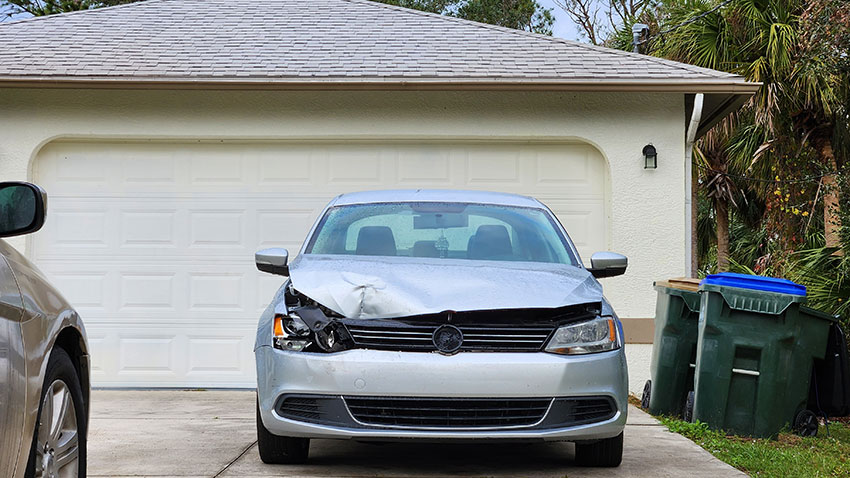
- Photos of the damage, the wider road layout, skid marks, signage, weather and traffic signals
- Photos of the interior if airbags deployed or warning lights came on
- Names and contact details for witnesses
- Medical paperwork if EMS check you over or you attend urgent care
- Receipts for towing, taxis, replacement transport or hotel changes caused by the crash
Why Photos Matter More Than You’d Expect
A hire company can bill you weeks later for vehicle damage and loss of use, with towing and administration fees on top, if you can’t show what condition the car was in. Photographs give insurers context when the other party contests liability, and they make it considerably harder for anyone to revise their account of what the traffic signals were doing once three weeks have gone by and the file has landed with an adjuster who was never there.
Massachusetts Is Not the UK: The Report You Cannot Skip
Five Days to File the Operator Report
In Massachusetts, you are legally required to file a Motor Vehicle Crash Operator Report within 5 days of any accident that causes injury, death, or more than $1,000 in property damage. Read that threshold twice, because a scraped wing and a replacement bumper on a nearly new hire car clear it without much effort. You are required to complete the form yourself if your accident is reportable. It goes to the police department for the town where the crash happened, and copies go to your insurer and to the Registry of Motor Vehicles (RMV).
Five days is not long when you’re travelling.
Nothing in the UK routine prepares you for a personal filing deadline of that kind. The clock runs from the crash date, not from the day your claim opens or you get home, regardless of how many ambulances attended.
Miss the Deadline and It Follows You
The deadline may look severe for a visiting professional on a four-day trip, but you’re driving under the state’s motor vehicle statutes while you’re there. File it properly and file it early.
Who to Notify, and in What Order
Start With the Hire Company
Ring the roadside assistance or emergency number printed on your rental contract while you’re still at the scene. They’ll want the agreement number and the car’s exact location, along with your photographs and a first outline of what happened. Then read the damage and breakdown clauses properly, rather than trusting what you half-remember from the airport pickup desk. Give the claims department the police incident number as soon as you have it.
Which Cover Might Respond
Business travellers usually sit under several layers of protection at once. The hire company’s collision damage waiver reduces your liability for direct physical damage, with exclusions worth reading before you sign. Personal travel insurance may reimburse the excess. Some premium credit cards include hire vehicle protection when the booking terms were met exactly. Check your employer’s corporate travel policy for who has to be told, and how quickly.
The Order That Works
Emergency services first, if anyone needs police or medical attention. The hire company’s emergency line next, for recovery and a replacement vehicle. Then your employer or corporate travel desk if the crash is likely to disrupt a day of meetings, and your travel insurer once you’re somewhere safe. Follow every phone call with an email that repeats what was agreed.
Keep Copies of Everything
One Clean Digital File
Make a cloud folder on the day. Photographs and receipts go in it, along with medical notes, hotel amendment charges and any email traffic with your conference organiser about sessions you missed. When an adjuster in another time zone asks for the tow receipt six weeks later, it’s in there.
If You Need Treatment Mid-Trip
Get seen if you have pain, dizziness or unusual symptoms after the impact. Adrenaline masks a lot, and a headache or a stiff neck on the day of the crash can look very different by the middle of the week. Keep the discharge notes and the invoices, because the travel insurance claim will rest on them. If the treatment isn’t an emergency, call your insurer before you book anything; most of them require approval first.
The Sensible Playbook
The crash takes seconds. The filing can take half an hour and materially affect how the claim proceeds. Protect the scene and photograph more than feels reasonable, keep every notification in writing, and a bad afternoon on a Boston highway stays a bad afternoon instead of a claim that falls apart once you’re back at your desk in London.