Restaurants that serve business travellers are judged on more than food quality. Speed, accuracy, flexible ordering, clear billing, reliable stock control and a calm service flow all influence whether a guest returns, recommends the venue, or sees it as a dependable place for client meetings.
For operators assessing Tableview restaurant POS software, the real question is not simply whether a till can take payments, but whether the system can support a more organised, profitable and guest-focused dining experience in a demanding hospitality environment.
- Business diners often have limited time.
- Corporate guests expect accurate receipts and smooth payments.
- Restaurant teams need systems that reduce pressure, not add to it.
The Restaurant POS Has Become a Business Tool, Not Just a Till
In the past, restaurant POS systems were mainly used to process orders and payments. Today, they sit at the centre of the operation, connecting the floor, kitchen, management, stock, reporting and guest experience.
For a restaurant owner, this matters because service quality is often shaped by what happens behind the scenes. A delayed order, a missing ingredient, an incorrect bill, or a confused table handover may look like a staff issue, but it is often a systems issue.
A well-chosen POS can help create consistency across busy lunches, evening service, private dining and corporate events.
What Modern Restaurant Owners Need from POS Software
A good system should make everyday decisions easier. It should help managers understand what is selling, where margins are being lost, when staffing pressure builds, and how customer preferences are changing.
- Clear table management
- Fast order entry
- Accurate kitchen communication
- Simple bill splitting
- Real-time sales reporting
- Integrated payment handling
- Stock visibility
- Staff performance insights
The goal is not to make hospitality feel automated. The goal is to give teams more confidence and fewer distractions.
Why Business Travellers Notice Operational Details
Travelling for Business readers often use restaurants in a very practical way. They may be entertaining clients, working between meetings, staying near a hotel, or looking for somewhere reliable after a long journey.
For these guests, the experience must feel effortless. They may not care which software sits behind the counter, but they will notice if the restaurant handles service smoothly.
- A table is ready at the agreed time.
- Orders arrive correctly.
- Dietary requests are understood.
- The bill is accurate.
- VAT receipts are easy to obtain.
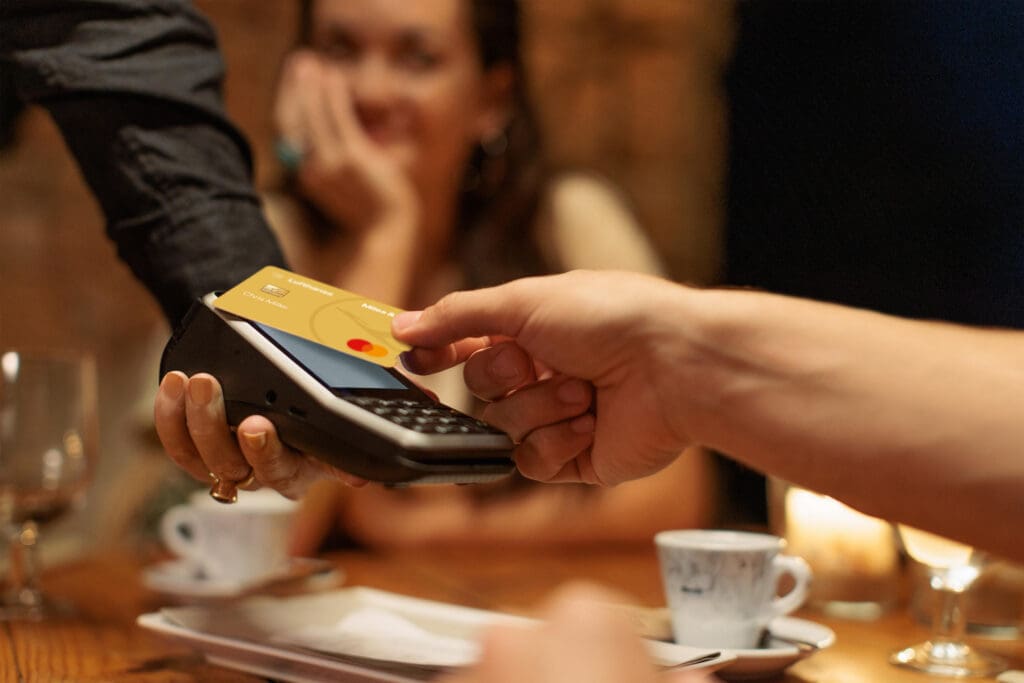
- Payment is fast and discreet.
These moments affect perception. A restaurant that performs well for business diners becomes more than a place to eat. It becomes a trusted part of the travel routine.
The Link Between POS Systems and Service Confidence
Restaurant technology should support human judgment. A skilled server still reads the room, understands pace, and recognises when a guest needs attention. However, the right POS gives the server better tools.
If table status, order notes, modifiers and payment details are easy to manage, staff can focus on hospitality rather than administration.
Where POS Can Improve the Guest Journey
For business-focused restaurants, the benefits are often practical rather than dramatic.
- Faster lunch service for time-conscious guests
- Better handling of allergies and dietary notes
- More accurate order routing to kitchen stations
- Reduced billing errors for corporate diners
- Easier tracking of popular dishes and peak periods
- Improved coordination between front-of-house and kitchen teams
These advantages may sound operational, but they directly shape the guest experience.
Inventory Control Is Now a Profitability Issue
One of the biggest pressures facing restaurant owners is cost control. Food costs, supplier changes, wage pressures and unpredictable demand can all affect margins.
This is where a restaurant inventory management system becomes particularly valuable. When stock data is connected to sales activity, managers can see what is being used, wasted or underperforming.
Better inventory control can help reduce over-ordering, spot unusual variances and improve menu planning. It also supports more confident decision-making when prices change or seasonal ingredients become harder to source.
- Less waste
- Better purchasing decisions
- More accurate recipe costing
- Improved stock rotation
- Stronger margin control
- Fewer unavailable menu items
For business travellers, stock control is invisible until it fails. A missing signature dish, unavailable wine or inconsistent menu can weaken confidence in the venue.
Cloud-Based Systems and the Modern Restaurant Group
Cloud-based POS systems for restaurants have changed how owners and managers access information. Instead of relying only on a back-office terminal, decision-makers can review sales, labour patterns and performance data across locations more flexibly.
This is especially useful for restaurant groups, hotel restaurants, airport dining outlets, and venues that serve a mix of local, leisure, and business customers.
Why Cloud Access Matters
Cloud technology is not valuable because it sounds modern. It is valuable when it helps operators act faster and manage with better visibility.
- Owners can view performance remotely.
- Multi-site operators can compare venues.
- Managers can access current sales data.
- Updates can be handled more efficiently.
- Reporting can support quicker decisions.
- Systems can often integrate with other hospitality tools.
For B2B restaurant software clients, this flexibility can be important when managing complex operations or planning growth.
Data Should Inform Decisions, Not Replace Experience
The best restaurant operators combine instinct with evidence. A manager may sense that Friday lunches are changing, that a menu item is losing appeal, or that a certain table section slows down service. POS data can confirm, challenge or refine those instincts.
Useful data might show:
- Which dishes drive the strongest margins
- Which service periods create the most pressure
- How long are the tables occupied
- Which payment types are increasing
- Where discounts are affecting profitability
- Which items are frequently removed or modified
This information helps owners make better choices about menus, staffing, pricing and service design. Still, data should be interpreted with context. A dish may have a lower margin but attract valuable repeat guests. A slower service period may still be important for corporate relationships.
Choosing POS Software Without Overcomplicating the Operation
Restaurant owners are often presented with long lists of features. The challenge is to separate what is genuinely useful from what sounds impressive but adds little value.
Before selecting or replacing POS software, owners should consider:
- Does it make service faster and clearer?
- Will staff find it intuitive during peak hours?
- Can it support inventory and reporting needs?
- Does it integrate with payments, reservations or accounting?
- Can it scale with the business?
- Does it improve management visibility?
- Will it support the type of guest experience the restaurant wants to deliver?
A luxury or business-focused restaurant does not need technology that dominates the operation. It needs technology that quietly improves it.
Final Thoughts: Better Systems Create Better Hospitality
For restaurant owners, the right POS decision is not only about transactions. It is about building an operation that feels controlled, responsive and commercially sound.
For business travellers, this translates into something simple: reliable service. They want restaurants that understand time, accuracy, comfort and professionalism.
When restaurant POS systems, inventory control and cloud-based reporting work together, teams can deliver a smoother experience without losing the personal touch that defines good hospitality. The best technology does not make a restaurant feel less human. It gives people the space, clarity and confidence to do their work better.