The workplace has shifted quite dramatically in recent years. Salary still matters, of course, but professionals are increasingly weighing up the broader picture when deciding where to work, flexible arrangements, wellbeing support, and yes, travel perks.
For anyone who spends a meaningful chunk of their working life in airports and hotels, the difference between a company that thinks about that experience and one that doesn’t can be enormous. And it isn’t just an internal matter, how well a business looks after its travelling staff has a quiet but real effect on customer retention, since motivated, well-supported employees are simply better at maintaining strong client relationships.
The Overlooked Burden of Business Travel
Here’s the thing about business travel that often gets missed in benefits planning: it’s genuinely hard. Long flights, unpredictable delays, weeks away from home, none of that is glamorous, regardless of what the Instagram highlight reel suggests. Office-based colleagues might not fully appreciate the toll it takes. Something as simple as priority boarding or a quiet lounge to work in before a flight can genuinely shift how an employee feels about their day. And when people feel supported rather than just deployed, they tend to show up to meetings more focused, less frazzled, and far more capable of doing good work.
Making Loyalty Schemes Work for Everyone
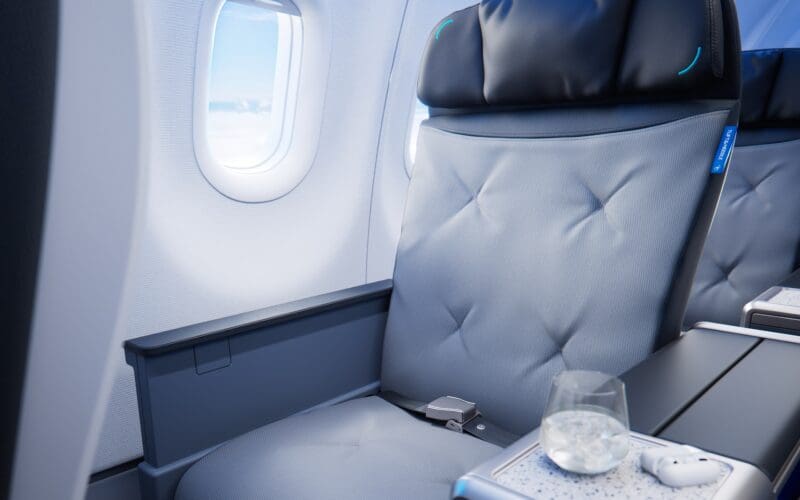
Loyalty programmes, whether through airlines, hotels, or rail, are probably the most practical vehicle for delivering travel benefits. They’re already built, they reward frequency naturally, and employees tend to engage with them enthusiastically because the benefits feel tangible and personal. Points that build up over time, upgrades that make a long-haul trip bearable, lounge access that turns a two-hour delay into something almost manageable, these accumulate into a genuine sense that the company recognises the effort involved in all that travelling.
The Broader Organisational Case
It would be easy to frame travel perks as purely a nice-to-have, but the business case is fairly straightforward. Staff who feel valued tend to be more engaged and far less likely to quietly start browsing job boards. There’s also a direct link to customer retention, employees who feel genuinely appreciated are better positioned to build and maintain strong client relationships. That’s not a small thing. The culture inside an organisation has a way of showing up in how people deal with customers, and travel benefits are one thread in that wider fabric.
It Doesn’t Have to Be Complicated
A lot of companies assume that implementing travel benefits means building something elaborate from scratch. It really doesn’t. Allowing employees to keep loyalty points for personal use, offering discounted travel rates, or simply ensuring frequent travellers get access to better seating, these are relatively low-lift changes that land well. Some organisations layer in wellness perks alongside travel benefits, recognising that being constantly on the road takes a physical and mental toll. A gym membership or a mindfulness app alongside lounge access acknowledges the whole person, not just the employee making the trip.
Personalisation Makes the Difference
Not everyone travels the same way, and not everyone wants the same things from their benefits. Some people care deeply about direct routes; others are quietly accumulating points for a personal trip they’ve been planning for years. Giving employees some degree of choice, or at least a range of options that reflect different priorities, tends to increase how much people actually value what’s on offer. Generic benefits packages often go largely unnoticed. Personalised ones get talked about, and that matters for culture.
The Long Game
Over time, a thoughtful travel benefits programme does something more than just make individual trips more bearable. It contributes to staff retention, which reduces the very real costs associated with recruitment and onboarding. It supports stronger client relationships. It shapes how people feel about the organisation they work for, and that feeling doesn’t stay at home when they walk into a client meeting. The ripple effects are real, even if they’re not always easy to measure directly.
A Note on Sustainability
Worth mentioning: many loyalty programmes now include genuinely useful sustainability options, carbon offsetting, eco-friendly accommodation choices, incentives for choosing rail over short-haul flights. For companies with meaningful corporate responsibility commitments, weaving these options into a travel benefits programme is an elegant way to align employee perks with broader values, and it tends to resonate with staff who care about those issues, which is an increasingly large proportion of the workforce.
Keeping the Programme Relevant
Like anything in HR, travel benefits work best when they’re actually monitored rather than set up and forgotten. Regular surveys, feedback sessions, and a look at how people are actually engaging with loyalty programmes can reveal a lot, which perks land, which ones go unused, and where there might be gaps. That kind of ongoing attention keeps the offering relevant and shows employees that the programme is genuinely meant to serve them, rather than tick a box.
Travel Perks as a Cultural Statement
Ultimately, travel perks are about more than logistics. Done well, they communicate something about what an organisation values, and that message lands with employees. Making business travel more comfortable and rewarding isn’t just a retention tactic; it’s a way of building a workplace where people feel genuinely looked after. When that’s in place, the benefits extend well beyond the journey itself.