


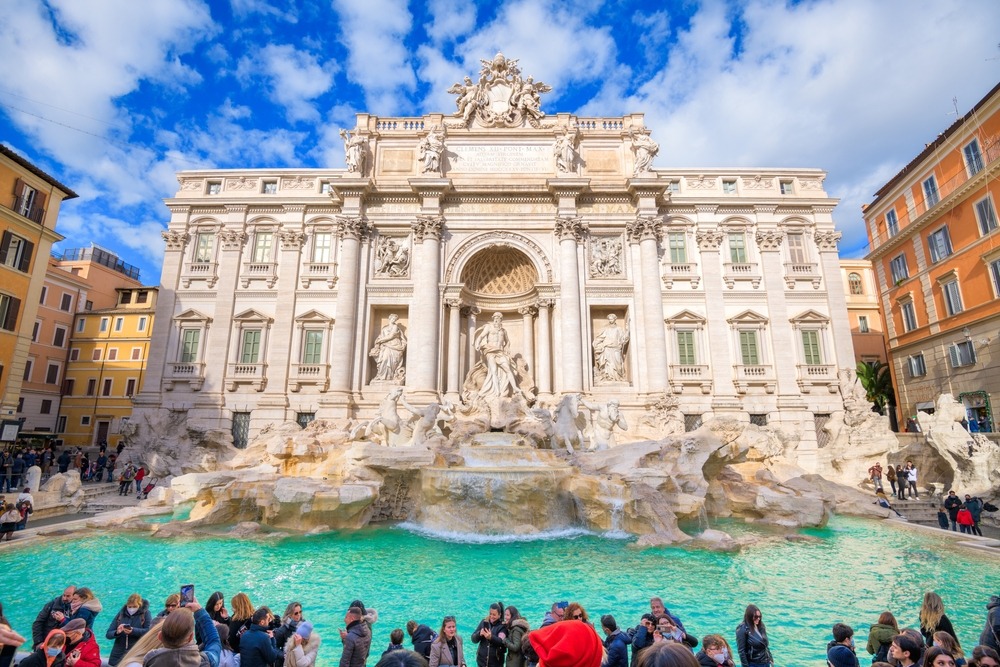
Rome has introduced a new €2 fee for visitors who want to access the viewing area at the Trevi Fountain, marking one of the city’s most significant crowd‑control measures to date.
The charge, which came into effect on 2 February, is designed to ease congestion around the landmark and generate funds for its ongoing preservation.
The Trevi Fountain, one of the most visited sites in Italy, regularly attracts such dense crowds that movement around the basin becomes difficult, especially during peak seasons. City officials say the new controlled‑entry system will help manage foot traffic and improve the overall visitor experience, while also supporting the upkeep of the 18th‑century Baroque monument.
Alongside the fountain fee, Rome has also introduced a €5 tourist ticket for selected civic museums across the city. The new museum charge is part of the same initiative aimed at balancing tourism demand with the protection of cultural heritage. As with the Trevi Fountain fee, Rome residents are exempt from paying.
The combined measures reflect a growing trend across Italy to regulate visitor numbers at high‑traffic attractions. Similar systems have recently been implemented at the Pantheon in Rome and through Venice’s day‑tripper tax. Officials argue that modest fees are essential to preserve historic sites while ensuring they remain accessible in a sustainable way.
Tourists can still admire the Trevi Fountain for free from the surrounding piazza, but those wanting a close‑up view or hoping to toss a coin into the water will now need to purchase the €2 ticket during operating hours. After 10pm, access to the basin area remains free, offering a quieter, more atmospheric experience for late‑night visitors.
Early reactions suggest many travellers see the fee as a reasonable trade‑off for a calmer, more organised visit. With millions passing through the site each year, the new system is expected to significantly reduce overcrowding while generating funds that directly support the fountain’s maintenance.
Rome’s tourism authorities say the changes are part of a long‑term strategy to protect the city’s most iconic landmarks without diminishing their appeal — a delicate balance in a destination where history, culture and mass tourism intersect daily.