


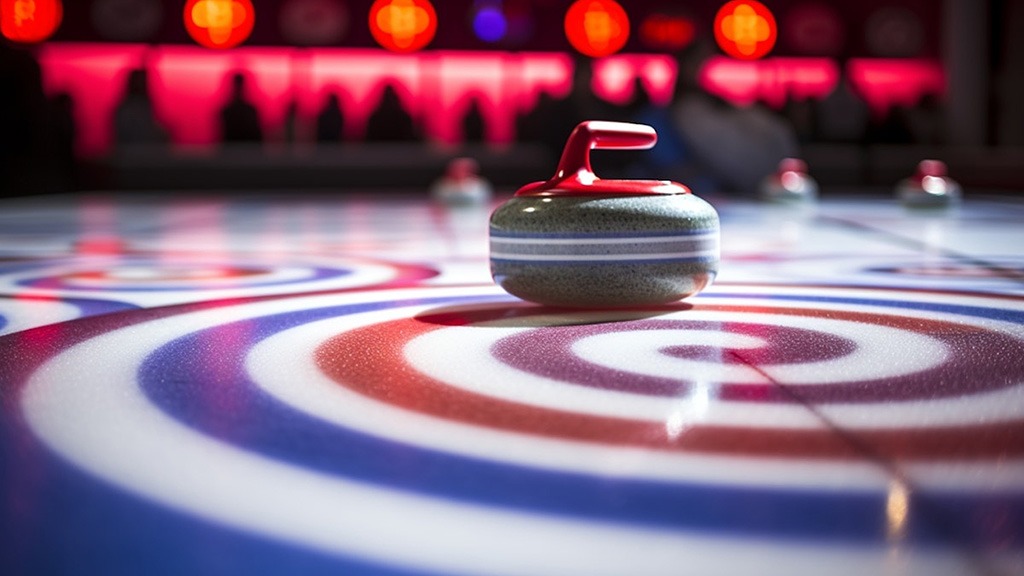
As the world’s curlers step into the spotlight, their stones are already settled—having glided through logistics hubs with the quiet confidence of executives who’ve been doing this trip for centuries. Honestly? They’ve earned lounge access.
While the rest of sport obsesses over carbon fibre, aerodynamics and marginal gains, curling stones remain gloriously unchanged. They’re still carved from Ailsa Craig, a volcanic plug in the Firth of Clyde that has supplied the sport’s granite since the 1800s.
The material is so perfectly suited to ice that curling has barely dared to meddle. The only meaningful upgrade in more than a century arrived in the 1970s, when the running band was precision-lathed for consistency. That’s it. One upgrade in a hundred years. Try finding a tech product with that level of restraint.
Where they’re made, and why they’re basically artisanal executives
Every Olympic stone is crafted by Kays of Scotland, a family-run operation founded in 1851. In their Ayrshire workshop, raw granite is shaped, polished, matched and finished by hand with the sort of obsessive care normally reserved for Swiss watches or Michelin-star kitchens.
Ailsa Craig’s granite is the real differentiator: dense, water-resistant and almost impossible to crack, the geological equivalent of a CEO who never takes a sick day. Other granites have auditioned over the years, but none glide, grip or survive the freeze-thaw cycle quite like this. When medals are on the line, athletes want predictability, and nothing is more predictable than a Scottish rock that’s been doing the same job since Queen Victoria was on the throne.
Their business-class itinerary to Cortina
Before they ever touch Olympic ice, these stones rack up air miles that would make even the most seasoned road warrior wince. Quarried on a remote island. Ferried to the mainland. Shaped in Ayrshire. Tested. Polished. Packed. Shipped across Europe. Climate-controlled. Inspected. Delivered to the venue.
No complaints. No cracks. No requests for an upgrade.
As competition begins in Cortina, these granite veterans will once again take centre ice—sliding, spinning and negotiating high-stakes matches with the calm authority of travellers who’ve seen every terminal, every rink, every pressure point.
If stones had loyalty programmes, they’d be lifetime elite. They’re not just sporting equipment. They’re Scotland’s hardest-working business travellers.