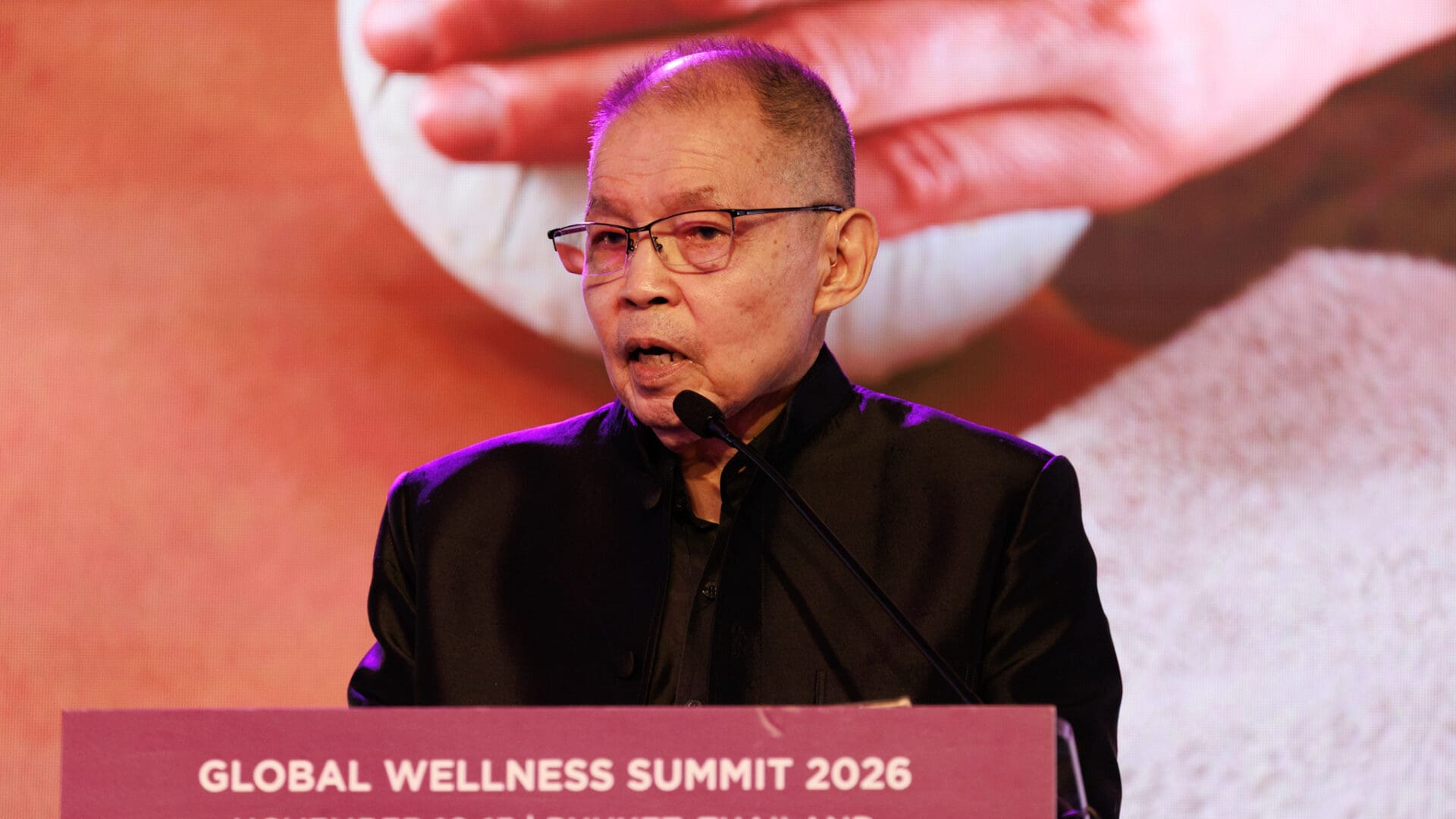
Wellness travel should focus less on what can be measured and more on helping people understand themselves, according to Krip Rojanastien, chairman and chief executive of Chiva-Som International Health Resorts. He made the case at the 20th Global Wellness Summit, held at Angsana Laguna Phuket in Thailand from 10 to 13 November 2026.
His message fits a wider shift in the industry. This year’s summit took as its theme “The Science, Art and Soul of Wellness”, and organisers’ Future of Wellness 2026 outlook identified a backlash against over-optimisation, with a move away from high-tech tracking towards more human-centred living.
Balancing science and human connection
Wearable devices, health tests and personalised wellness data are now common in hotels and resorts. Rojanastien argued that lasting wellbeing depends on balancing that science with human connection, daily habits and emotional health.
Chiva-Som, the destination health resort in Hua Hin, combines modern medical insight with traditional approaches, including principles from Thai traditional medicine that focus on balance between mind, body and spirit. Rather than pursuing longevity through technology alone, it encourages lasting changes to sleep, food, movement, community and time in nature.
Rojanastien said the goal should not simply be to extend lifespan but to improve healthspan, so that people stay active, engaged and fulfilled for longer. Healthspan, meaning the years lived in good health, was one of the central themes of the summit, alongside women’s health and preventive medicine.
Why wellness travel matters for business travellers
The argument is particularly relevant to people who travel for work. Long-haul flights, disrupted sleep, busy schedules and workplace pressure all take a toll, and many business travellers are looking for hotels that help them restore balance rather than simply recover from exhaustion.

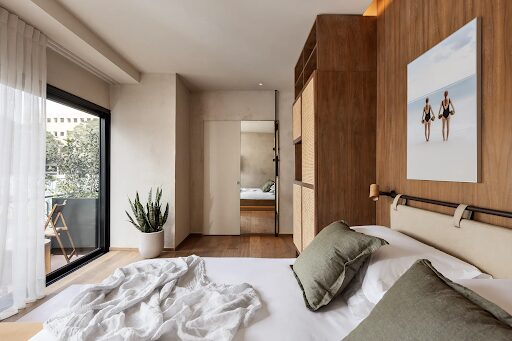
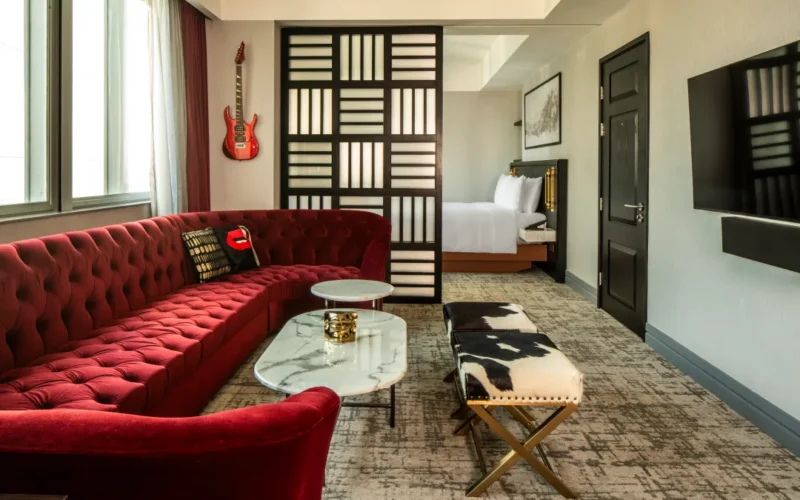
For travel managers, that has practical implications. Hotels with good sleep environments, healthy food, space to exercise and quiet places to switch off can make a real difference to how staff feel and perform on a trip, often more than the latest wellness technology.
Prevention is becoming more important too. With healthcare systems under pressure in many countries, more people are treating wellness travel as an investment in their long-term health rather than just a holiday. Some employers now include wellness retreats in leadership programmes or reward trips.
Simple steps can help on any trip. Choosing hotels with quiet rooms and blackout blinds, building time for exercise into a schedule and avoiding back-to-back early flights all support the kind of balance Rojanastien described, without the need for specialist equipment.
A growing market
The Global Wellness Institute launched its 2026 Global Wellness Economy Monitor at the summit, with new data on the global market and the growth of wellness in Asia. Thailand, which hosted the event for its 20th anniversary, is positioning itself as a leading wellness destination, and delegates were offered stays at resorts including Chiva-Som Hua Hin before the summit.
New openings continue to reflect demand, from medical retreats to resort spas. In Qatar, Chiva-Som’s own Zulal Wellness Resort has launched a postpartum retreat with Sidra Medicine, showing how specialist programmes are widening the market.
As the sector matures, the next stage of wellness travel may be defined less by gadgets and data than by helping travellers find balance, an idea that resonates with anyone who spends much of their working life on the road.