

In today’s fast-paced corporate world, business travel often conjures images of tight schedules, back-to-back meetings, and whirlwind itineraries.
Yet, travel trends in 2025 reveal a striking shift: professionals are increasingly seeking slower, more immersive experiences that allow them to step away from the rush, reconnect with themselves, and engage with local culture in meaningful ways.
A recent regional study highlights that sustainable travel is no longer a niche pursuit—it’s becoming the preferred choice for executives and entrepreneurs alike. By embracing slower rhythms, travellers are finding opportunities to recharge, build resilience, and return to work with renewed focus.
The Rise of Slow Travel in Business
For business travellers, the appeal of slow travel lies in its ability to balance productivity with well-being. Instead of cramming sightseeing into a spare hour between meetings, professionals are carving out time for immersive experiences that foster creativity and deeper connections.
Trail and Hiking Expert Anja Hajnsek, from Hut to Hut Hiking Dolomites, explains how this trend is reshaping the way travellers explore one of Europe’s most iconic regions: “In 2025, we’ve seen a clear shift in traveller priorities. People no longer just want to tick off landmarks. Now, they want to slow down, immerse themselves in nature, and truly experience local culture. Hut-to-hut trekking in the Dolomites is the perfect embodiment of this trend.”
Hut-to-Hut Trekking: A Model for Immersive Business Travel
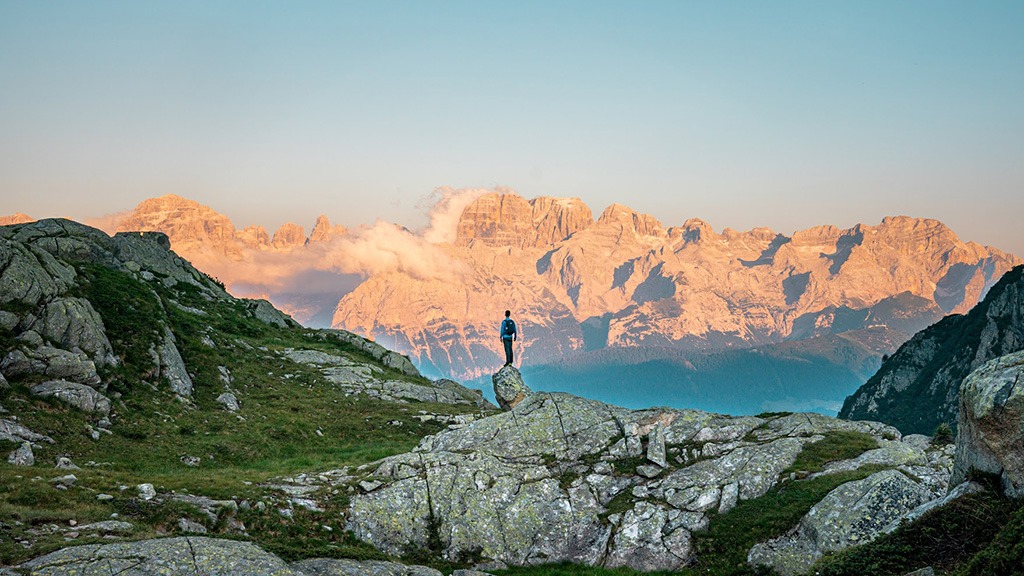
The Dolomites, a UNESCO World Heritage site, offer a unique opportunity for travellers to combine physical activity with cultural engagement. Hut-to-hut treks allow visitors to hike from one mountain lodge to another, each stop offering not only rest but also exposure to local culinary traditions, artisanal practices, and small alpine communities.
For business travellers, this model provides a refreshing alternative to conventional downtime. Imagine finishing a conference in Milan, then spending a few days trekking through alpine valleys, learning traditional cheese-making, or hearing stories from locals about village life. These experiences transform a simple hike into a deeply emotional and meaningful journey—a counterbalance to the intensity of corporate life.
Disconnect to Reconnect
One of the most compelling aspects of slow travel is its ability to encourage disconnection from everyday routines. In hut-to-hut trekking, mobile devices are limited, schedules are slower, and the rhythm of walking through the mountains sets a reflective pace.
Anja notes that travellers often describe feeling recalibrated, more present, and more connected—both to nature and to themselves—by the end of a multi-day trek. For business professionals, this recalibration can translate into sharper focus, improved decision-making, and a renewed sense of purpose upon returning to work.
Sustainability Meets Strategy
Slow travel also aligns with the growing emphasis on corporate sustainability. Staying in locally run huts supports alpine economies, reduces environmental impact compared with motorized travel, and fosters respect for natural landscapes.
For companies, encouraging employees to embrace sustainable travel practices is more than a gesture—it’s a strategic move that reflects corporate responsibility and enhances brand reputation. As Anja emphasizes, “The value is not in how many peaks you climb in a day but in how fully you live each moment along the way.”
Practical Tips for Business Travellers
For professionals seeking meaningful adventures that complement their work commitments, Anja offers practical advice:
- Choose multi-day itineraries to experience different valleys and communities.
- Engage actively with local culture, food, and crafts.
- Allow time to pause, reflect, and connect with the landscape.
- Travel sustainably, supporting local huts and minimizing environmental impact.
- Embrace the slower pace to return refreshed, inspired, and culturally enriched.
The Future of Business Travel
As the boundaries between work and leisure continue to blur, slow travel offers business travellers a chance to reclaim time, experience authenticity, and create memories that truly last. In 2025, the most valuable journeys are not measured by speed or efficiency, but by the depth of connection they foster.
For executives, entrepreneurs, and professionals navigating the demands of global business, the Dolomites—and destinations like them—represent more than a scenic escape. They embody a new philosophy of travel: one where quality outweighs quantity, and immersion replaces haste.