


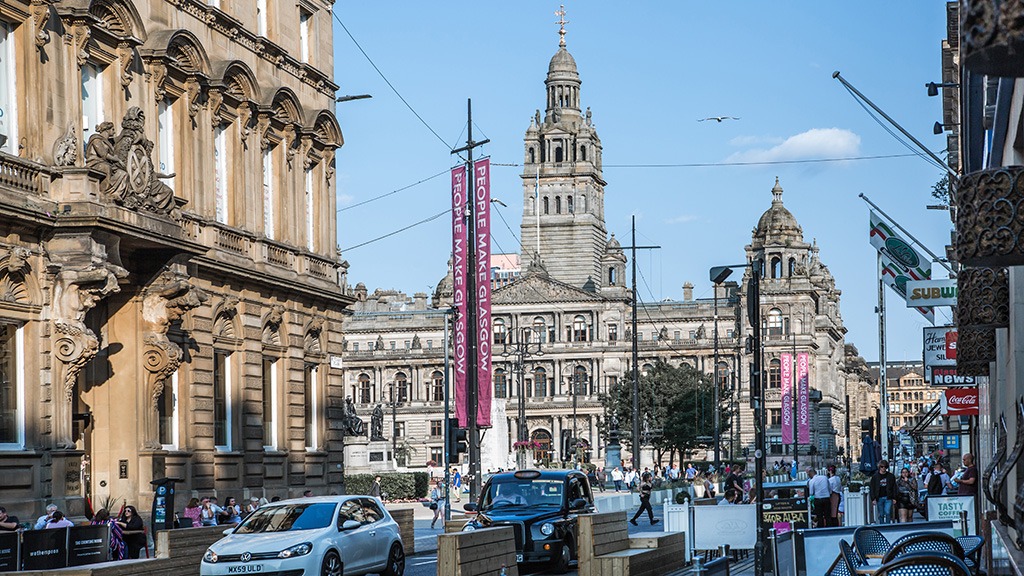
Glasgow is preparing for a landmark year in 2026 after being named one of Europe’s must-visit destinations by Time Out, with a packed summer calendar of international sport and culture expected to drive a significant visitor surge.
At the heart of the city’s standout year will be the Commonwealth Games, which returns to Glasgow from 23 July to 3 August. The event will welcome around 3,000 athletes from across the Commonwealth, placing the city firmly in the global spotlight and reinforcing its reputation as a proven host of major international events.
Earlier in the summer, Glasgow will also host the first-ever Scottish edition of WOMAD — the World of Music, Art and Dance festival — which arrives at Kelvingrove Park on 3–4 July. The combination of elite sport and world-class cultural programming is expected to attract visitors from across Europe and beyond.
For business and leisure travellers alike, 2026 is being seen as a pivotal moment for a city that has long lived in the shadow of Edinburgh. Once perceived as Scotland’s overlooked urban centre, Glasgow has spent the past decade investing heavily in culture, creativity and community-led regeneration.
Travel expert John Matuszczyk of Braw Scottish Tours believes the coming year represents a genuine turning point. “Glasgow has undergone a remarkable transformation, and 2026 is the year the city truly comes into its own,” he says. “The Commonwealth Games and WOMAD aren’t just headline events — they offer visitors the chance to experience Glasgow at a scale and energy rarely matched elsewhere in Europe.”
According to Matuszczyk, one of Glasgow’s defining strengths is the way major events integrate seamlessly into everyday city life. Visitors can move easily from sporting venues to independent galleries, street-art trails and live-music spaces, experiencing the city beyond a single headline attraction. “Sport, art and culture sit side by side here,” he explains. “Travellers don’t just come for an event — they leave with a sense of the city’s character.”
For those planning a trip around the Games, he recommends allowing time to explore beyond the stadiums. Highlights include cultural institutions such as the Kelvingrove Art Gallery and Museum and the Gallery of Modern Art, discovering murals and street art across the Merchant City and Finnieston, and sampling the city’s increasingly confident food and drink scene — from traditional whisky bars to contemporary Scottish dining.
“Glasgow has always been a hidden gem,” Matuszczyk adds. “In 2026, more people will finally see it for what it is — a vibrant, soulful city that captures the spirit of modern Scotland.”
With global events, renewed international attention and a cultural scene ready to shine, Glasgow is set for a defining summer in 2026 — one that positions it firmly on the radar for business travellers and cultural explorers alike.