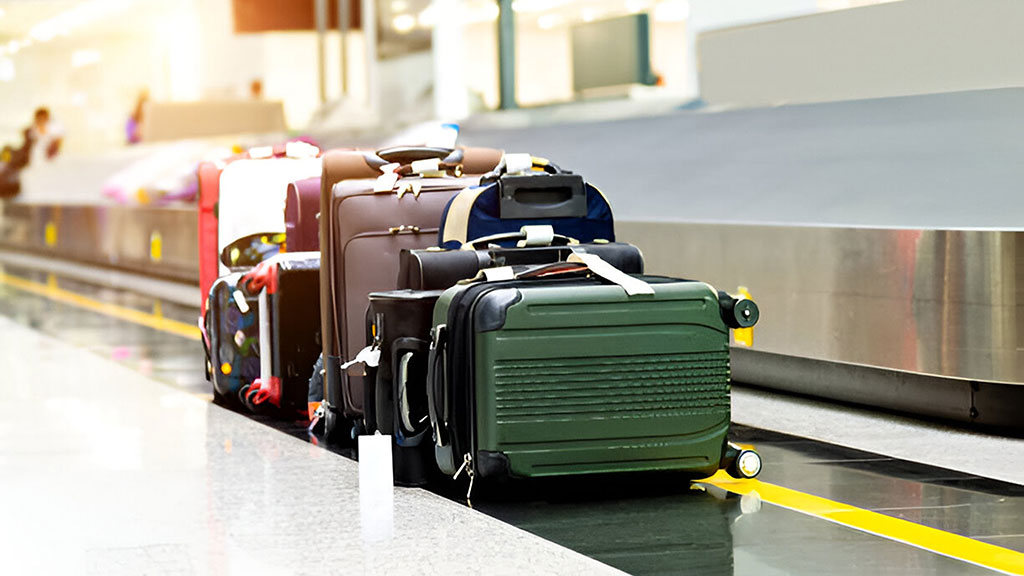
British Airways passengers flying out of Heathrow Terminal 5 on Thursday landed at their destinations without their luggage after a technical problem in the airport’s baggage system prevented bags from being loaded onto departing aircraft. An airport source put the number of items left behind at around 3,000.
For anyone travelling on business through the airline’s main hub, the incident is a reminder that even a fully functioning flight schedule does not guarantee your suitcase makes the same journey. Terminal 5 is the only terminal affected, and both Heathrow and British Airways say the fault has now been fixed.
What went wrong at Terminal 5
The problem sat with Heathrow’s own infrastructure rather than with the airline. Terminal 5 is dedicated almost entirely to British Airways, so the fault fell squarely on the carrier’s customers, including hundreds of holidaymakers who arrived abroad without their bags.
A Heathrow spokesperson said: “We apologise to any passengers who have experienced delays in their baggage departing Terminal 5.
“The fault has now been resolved, and we are operating as normal. We will continue to work closely with airlines to reunite passengers with their bags as quickly as possible.”
British Airways was quick to point out where responsibility lay. A spokesman for the airline said: “While this issue was outside our control, we apologise to our customers for the inconvenience caused.”
Airport and airline teams are now working to forward the stranded luggage to passengers around the world.

The scale of the terminal makes any disruption significant. According to the consultancy Arup, Terminal 5 is the busiest airport terminal in the UK, and it was reported in 2023 that an average of 100,000 passengers arrived or departed through it each day. You can find more on how the terminal operates in our Heathrow airport guide.
What business travellers should do if their bag is missing
If you flew from Terminal 5 on Thursday and your luggage did not arrive, the first step is to make sure you reported it before leaving the arrivals hall. Airlines require a Property Irregularity Report, usually raised at the baggage desk, before they will process any claim. If you left the airport without one, contact British Airways as soon as possible and keep every receipt.
The UK Civil Aviation Authority says most airlines will reimburse passengers for essentials bought while a bag is delayed, such as toiletries and a change of clothes, and that claims for delayed baggage must be submitted within 21 days of the bag being returned. Airline liability for baggage is capped under the Montreal Convention, which is written into UK law, so anyone carrying expensive equipment or samples should check what their travel insurance or company policy adds on top.
For business travellers the practical damage is often greater than the cost of a toothbrush. A missing suit before a client pitch, or samples that turn up after the trade show closes, cannot be fixed with a receipt. Our guide on what to do when bags go astray covers how to prepare, but the short version is to keep anything you cannot do without in your cabin bag.
A pattern of technical disruption at UK airports
This is not an isolated event. UK airports have faced repeated technical and cyber problems in recent years. Last year, a cyber attack on check-in systems caused flight cancellations and lengthy delays at several European airports, including Heathrow. In 2023, a faulty CrowdStrike software update grounded flights around the world in one of the most far-reaching IT failures the industry has seen.
Baggage handling has also become a sore point for British Airways specifically. The airline recently topped the airline baggage complaints table in data from the UK’s aviation dispute resolution schemes, so Thursday’s fault, although not of its making, lands at an awkward moment for the carrier.
For anyone flying from Terminal 5 in the coming days, the advice is to keep essentials in hand luggage, check the airline’s app for bag tracking updates, and allow a little extra time at bag drop in case queues build as operations settle.