


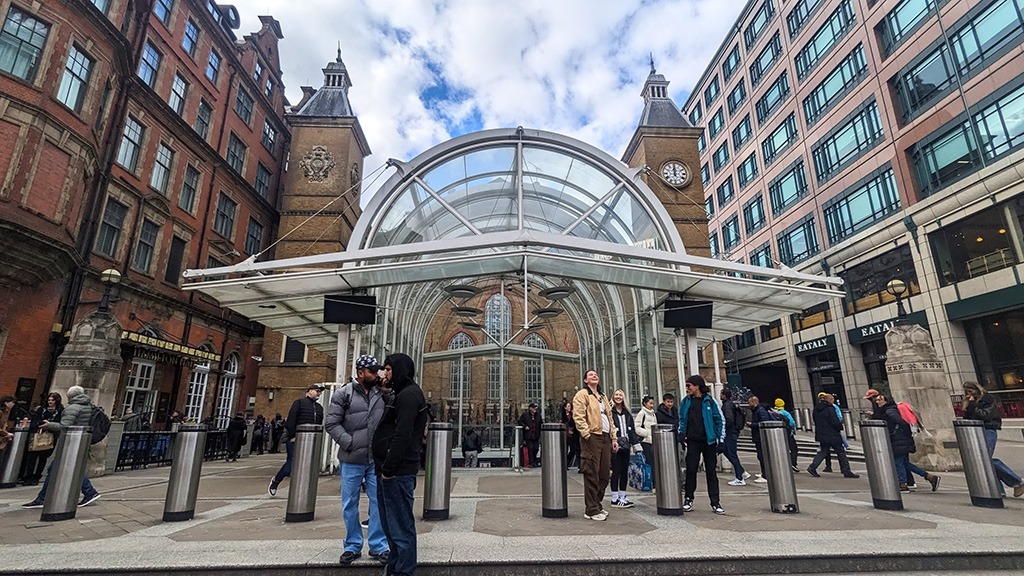
A £1.2bn overhaul of Liverpool Street Station has been granted planning approval, clearing the way for one of the most ambitious and contentious redevelopment projects in the City of London in recent years.
The scheme, brought forward by Sellar, MTR Corporation and Network Rail, will see sweeping upgrades to Britain’s busiest railway station alongside the construction of a new six-storey hotel tower above the existing building.
Under the approved plans, the Andaz London Liverpool Street, currently housed within the historic Great Eastern Hotel building, will be relocated into a newly built structure atop the station. The redevelopment will deliver around 160,000 sq ft of hotel space, designed to provide conference and events facilities alongside leisure and hospitality uses.
The former Great Eastern Hotel building will be integrated into the wider station complex, while the original Victorian train sheds will remain intact. The masterplan, developed in collaboration with Swiss architectural practice Herzog & de Meuron, aims to create what its backers describe as a “world-class transport hub” that also functions as a seven-day destination for visitors and City workers.
Beyond the station improvements, the project proposes significant public realm enhancements. More than 1.5 acres of space in and around the station and Hope Square will be redesigned, and Liverpool Street itself will be pedestrianised. A landscaped rooftop garden is also planned, featuring a 25-metre heated outdoor “City Lido” powered by surplus heat from the office development, as well as a public café with views across the Square Mile towards St Paul’s Cathedral. A padel court would become the first of its kind in the City.
Supporters argue that the commercial elements of the scheme, including office and hotel components, will fund approximately £450m of vital station upgrades without recourse to public money.
However, the development has attracted intense criticism. Historic England and Westminster Council both objected to the application, while more than 2,000 members of the public lodged formal objections. Opponents have described the proposed over-station tower as overbearing and unsympathetic to the surrounding heritage, warning that it risks damaging one of the capital’s most significant historic sites.
Actor Griff Rhys Jones, president of the Victorian Society and the Liverpool Street Station Campaign, said the approval marked a “sad day for the City of London”, arguing that the scale of the office-led development was not essential to the station’s improvement and would harm listed buildings and conservation areas.
James Sellar, chief executive of Sellar, defended the project when it was first unveiled, saying the upgrades were critical to maintaining London’s status as a global city and enhancing the experience for millions of passengers who use the station each year. He insisted that the design prioritises the protection and celebration of the station’s Victorian heritage.
With planning permission now secured, attention will turn to the next stages of implementation. Despite approval, the scale of opposition suggests the redevelopment of Liverpool Street will remain a focal point in the wider debate over heritage, density and commercial development in central London.