


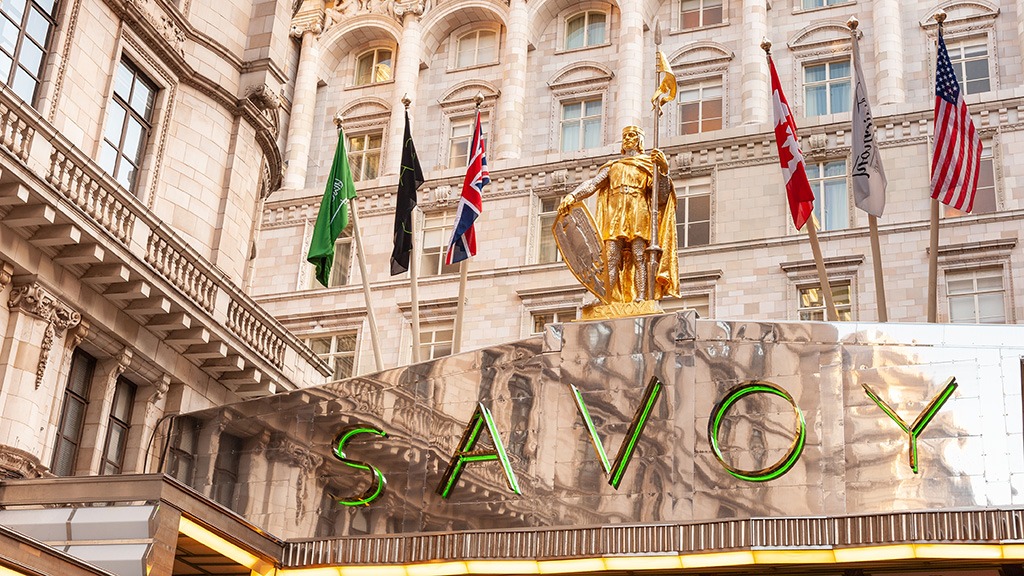
A stay in a luxury London hotel is likely to become significantly more expensive from next year, as operators grapple with sharp increases in business rates and seek to pass on higher costs to customers.
Changes to the way business rates are calculated will see the collective annual bill for four and five-star hotels in the capital rise by around a quarter in the 2026–27 tax year, from £335 million to £416 million, according to analysis by property agent Savills.
The increase follows measures announced in the budget by the chancellor, Rachel Reeves, which include the introduction of “permanently lower tax rates” for more than 750,000 retail, hospitality and leisure properties from 2026. The relief will be funded by a new levy on larger properties with a rateable value — broadly equivalent to annual rental value — of £500,000 or more.
Savills said the reforms will disproportionately affect high-end hotels in prime locations. Two luxury hotels in London are expected to see their business rates bills increase by more than £1 million next year, while a further 16 face rises of more than £500,000.
The impact is expected to intensify over time. Savills estimates that the total business rates bill for top-tier hotels will climb to £535 million in 2027–28 and exceed £645 million by 2028–29, placing sustained pressure on an industry already dealing with rising operating costs.
Hotel operators have seen margins squeezed in recent years by higher minimum wages, increased employers’ national insurance contributions and elevated energy and supply costs. Analysts believe many will have little choice but to raise room rates to offset the latest tax increases.
“How operators choose to respond remains to be seen,” said Thomas Emanuel, a director in Savills’ hotels division. “With further tax changes ahead, uncertainty persists, and in areas facing the steepest increases we may see some combination of higher prices, tighter margins, or a gradual shift towards more tech-led and streamlined operations.”
Data from real estate analytics firm CoStar highlights how prices have already risen sharply. In October 2019, the average nightly rate at a five-star hotel in the UK stood at £253.75. By October 2025, that figure had climbed to £357.17 — an increase of 41 per cent.
Emanuel said the changes to business rates would not affect all hotels equally. While around three quarters of the UK’s 3,904 four and five-star hotels are expected to see higher annual bills, only about half of three-star hotels will face an increase.
Large hotel groups have already begun to flag the financial impact. Whitbread, the owner of Premier Inn, has warned that the reforms will add around £50 million to its costs in the next financial year.
Industry bodies have also raised concerns about the wider consequences for hospitality. UK Hospitality has described the looming rises as “eye-watering” and warned that, without additional relief, hotels and other venues such as pubs could be forced to cut jobs, raise prices or, in some cases, close altogether.
With London’s luxury hotels playing a key role in attracting international business travellers and tourists, operators and analysts alike fear that sustained cost pressures could ultimately make the capital a more expensive — and less competitive — destination at the top end of the market.