


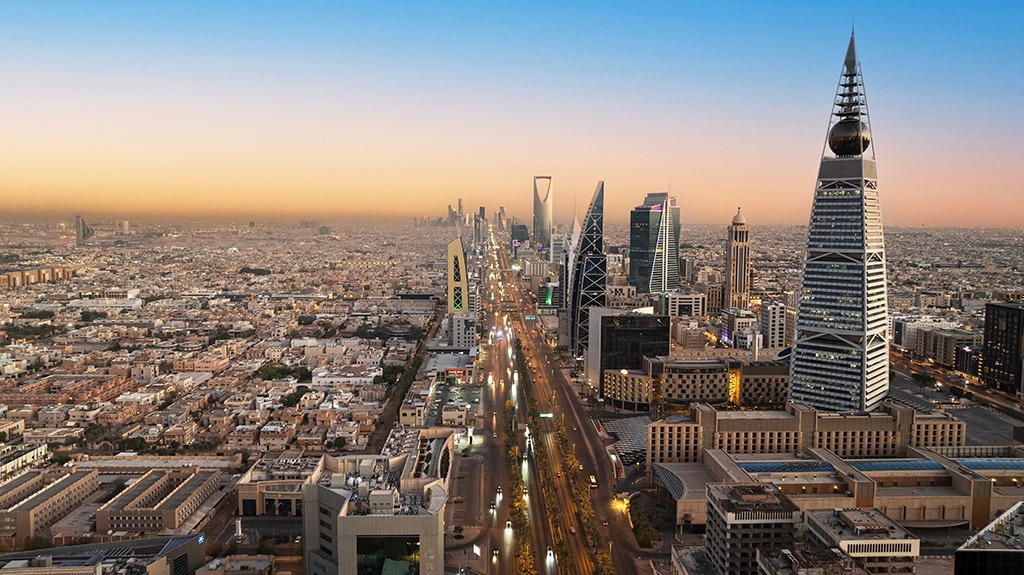
Saudi Arabia has quietly taken its most significant step in decades toward easing its strict prohibition on alcohol, opening access to a specialist liquor store for a new class of wealthy foreign residents.
The shift marks a subtle yet meaningful change in the kingdom’s social policy as it accelerates plans to position itself as a global destination for tourism, investment and high-skilled expatriate talent.
For more than 70 years, the country banned alcohol outright, allowing only a small and tightly controlled exception for accredited foreign diplomats. That changed in 2024 when Saudi authorities opened a dedicated alcohol store in Riyadh, though initially only diplomats were permitted to shop there. According to new reporting from Bloomberg, access has now been extended to a separate and highly select group of non-Muslim foreigners holding Saudi Arabia’s “premium residency” status.
This elite visa category is typically held by senior executives, multinational employees and highly skilled professionals, and comes with tight conditions. To qualify for access to the Riyadh store, expats must have lived in Saudi Arabia for at least 30 of the past 60 months and must earn at least 50,000 riyals per month, the equivalent of roughly £10,500 or $13,300. Applicants must present salary documentation and register in advance before being granted entry. Even then, purchases are limited by a points-based quota system that tracks and caps how much alcohol an individual can buy.
The government has made no public announcement about the policy change. For a country where alcohol is both culturally and religiously sensitive, the quiet rollout appears deliberate. Yet reports suggest it is only the beginning. More of these stores are expected to open in major cities as Saudi Arabia prepares to welcome millions of international visitors to its new mega-developments, including NEOM, Qiddiya and the Red Sea tourism resorts.
The move will be closely watched by the travel and hospitality industries. Ever since Crown Prince Mohammed bin Salman unveiled Vision 2030, an ambitious plan to diversify the economy away from oil, the question of whether Saudi Arabia would eventually permit alcohol for tourists has hovered in the background. For many Western holidaymakers, a complete ban has been a sticking point when comparing the kingdom to regional competitors such as Dubai, which transformed its tourism economy after dramatically relaxing alcohol rules a decade ago.
Saudi Arabia and Kuwait remain the only countries in the Gulf that still enforce total bans on alcohol consumption for visitors. Ending the ban for the general public remains politically sensitive, but the country’s decision to allow alcohol sales, even on a limited, income-restricted basis, suggests a gradual shift is under way. The introduction of diplomat-only sales was already a landmark moment; extending access to high-earning expatriates signals a further softening of what was once an unshakeable red line.
For now, the new system affects only a tiny segment of the population and is far removed from the prospect of alcohol in mainstream venues. But as Saudi Arabia seeks to compete for global investment, skilled workers and international tourists, its carefully controlled experiment may prove to be an early step toward a more expansive, though still tightly regulated, policy in the future.