


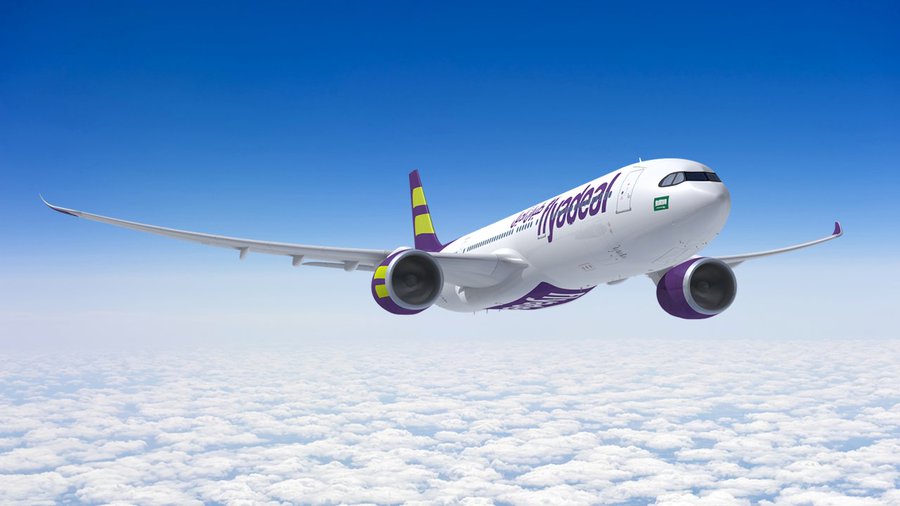
Saudi Arabia is accelerating its aviation revolution, unveiling plans for three new airlines to join Saudia, flynas, flyadeal, and the newly launched Riyadh Air.
For business travellers, this means greater connectivity, competitive choice, and a reshaped Middle Eastern hub landscape.
Speaking at the Cityscape Global conference in Riyadh, Fahd Hamidaddin, CEO of the Saudi Tourism Authority, confirmed that alongside Riyadh Air and Saudia, three additional carriers are on the way. The announcement forms part of the kingdom’s wider gigaprojects to diversify its economy and position itself as a global centre for technology, tourism, and trade.
The airlines in detail
- Dammam low‑cost carrier: Based at King Fahd International Airport, this airline aims to operate 24 domestic and 57 international routes by 2030, with a fleet of 45 aircraft carrying 10 million passengers annually.
- Medina religious‑tourism airline: Designed to serve pilgrims directly, bypassing Jeddah and its high‑speed rail link, this carrier will streamline journeys to the holy city.
- Third airline: Details remain under wraps, with brand identity, fleet, and launch date yet to be disclosed.
Implications for business travel
Saudi Arabia’s aviation strategy is not just about tourism — it’s about scale and competitiveness.
- Connectivity: More direct routes into Saudi cities and onward international destinations.
- Choice: A mix of full‑service and low‑cost carriers, giving travellers flexibility across budgets and schedules.
- Specialisation: Religious‑tourism carriers free up Riyadh Air and Saudia to focus on premium and long‑haul markets.
- Growth: Passenger numbers hit 128 million in 2024, up 15% year‑on‑year, with $100 billion invested in aviation infrastructure.
From closed doors to open skies
Until 2019, Saudi Arabia was largely closed to international tourism, admitting visitors mainly for business or pilgrimage. That changed dramatically when the kingdom opened its borders, setting ambitious targets of 150 million annual visitors by 2030, including 50 million international arrivals.
“Saudi Arabia is delivering the most significant aviation industry transformation within the 21st century,” Hamidaddin noted. For business travellers, this means a rapidly evolving network that could soon make Riyadh and Jeddah as central to global connectivity as Doha or Dubai.