


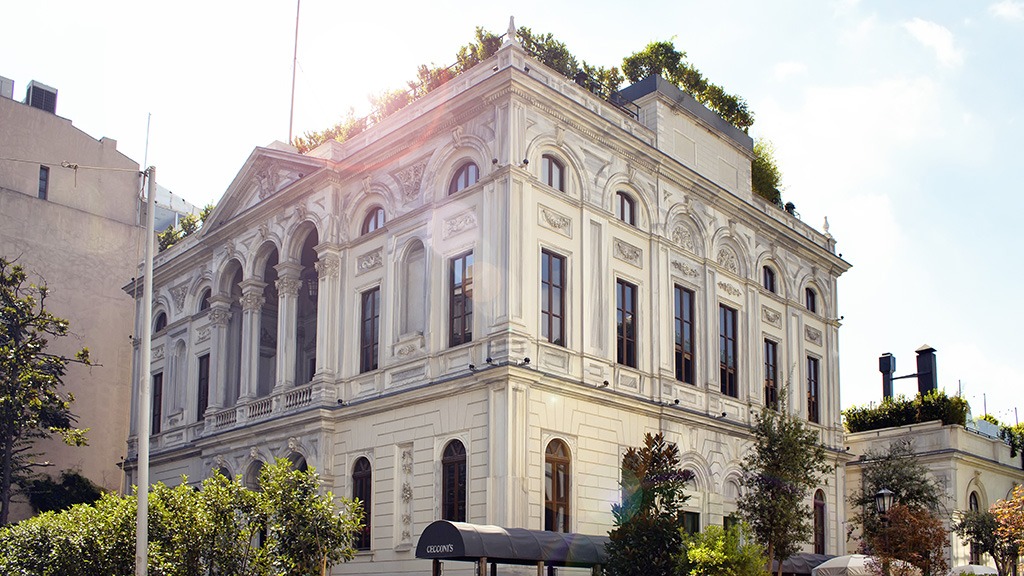
Soho House has secured the funding required to complete its long-running $1.8bn takeover, removing a major source of uncertainty after weeks of market jitters over the deal’s viability.
The London-founded members’ club group, Soho House, confirmed it has put alternative financing in place to close the transaction, following the withdrawal of part of a previously agreed investment commitment.
Under revised arrangements disclosed in a stock market filing, Morse Ventures, an entity owned by Tyler Morse, chief executive of MCR Hotels, will provide a fresh $50m equity injection. MCR will also honour a further $50m of its original equity commitment, restoring confidence that the deal can proceed.
Additional funding has been secured through amended debt terms with Apollo and Goldman Sachs, which have increased a senior unsecured notes facility to $220m, up from $150m. As part of the restructuring, Apollo’s equity commitment has been reduced from $50m to $30m.
The final $50m funding shortfall has been addressed by cost savings and by major shareholders agreeing to roll over their existing equity rather than cashing out, lowering the total capital needed to finalise the transaction.
The revised deal structure follows a turbulent period for Soho House after Yucaipa, the investment firm of billionaire executive chairman Ron Burkle, was informed earlier this month that MCR would struggle to deliver its full equity commitment by the original closing date. That disclosure sent Soho House shares down nearly 10% in a single session.
The takeover was originally agreed in August, when a consortium led by MCR Hotels offered $9 per share to take Soho House private. Existing cornerstone shareholders, including founder Nick Jones, restaurateur Richard Caring and Goldman Sachs Alternatives, agreed to roll over their stakes. Actor-turned-investor Ashton Kutcher is also part of the investor group.
Since floating in New York in 2021 at $14 a share, Soho House has struggled to regain momentum, with its stock down nearly 30% over five years amid rising costs, softer consumer demand and concerns that the brand’s exclusivity has been diluted as it expanded globally to 46 clubs.
Securing the revised financing brings the company a step closer to exiting public markets and resetting under private ownership – a move backers believe will give management greater freedom to invest in the brand and navigate a challenging hospitality and leisure environment away from the glare of quarterly earnings scrutiny.