


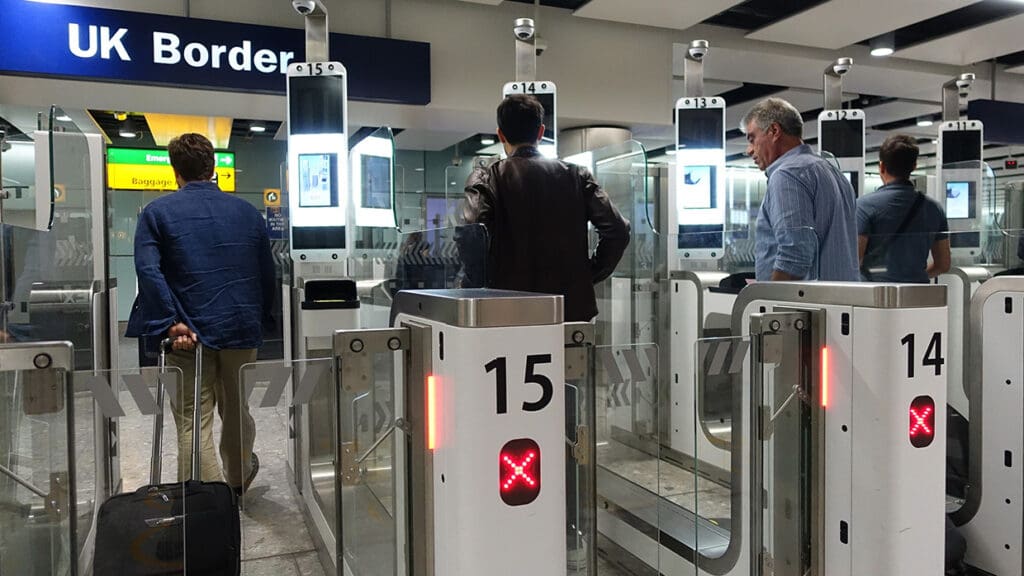
The UK government is planning a further 25 per cent increase in the cost of its Electronic Travel Authorisation (ETA), a move that would raise the fee from £16 to £20 for millions of international visitors.
The ETA scheme, first introduced in 2023, is required for travellers who do not need a visa to enter the UK, including citizens of EU member states as well as visitors from countries such as the United States, Australia, Hong Kong and Singapore.
Last year, the government increased the ETA fee by 60 per cent, from £10 to £16, with the higher charge coming into force in April 2025. A Home Office briefing now confirms that ministers intend to raise the fee again, although no implementation date has yet been announced and the proposal will require parliamentary approval.
“As with all our fees, the cost of an ETA is kept under review, and we intend to increase the cost of an ETA to £20 in the future,” a spokesperson for the Home Office said. “We will provide more information in due course.”
The ETA allows multiple visits to the UK over a two-year period, or until a traveller’s passport expires, with stays of up to six months permitted on each trip. According to the Home Office, 19.6 million ETAs were granted in the first two years of the scheme, up to the end of September 2025.
Further changes to enforcement are also imminent. From 25 February, eligible visitors who do not hold a valid ETA will be prevented from boarding transport to the UK. Travellers transiting through UK airports who pass through UK border control are also required to hold an ETA, unless they are connecting airside at London Heathrow Airport or Manchester Airport without entering the UK.
In parallel, the government is proposing to raise the cost of a two-year UK visitor visa from £475 to £506 for travellers who are not eligible for an ETA.
The plans have drawn criticism from the inbound tourism sector. Joss Croft, chief executive of UKinbound, warned that rising entry costs risk undermining growth. “Increasing visa and ETA costs risks pulling the visitor economy in the wrong direction,” he said. “International visitors have a choice, and the UK already has some of the highest entry costs in the world. Making it even more expensive to visit damages our competitiveness and puts valuable export income at risk.”
Croft added that inbound tourism supports jobs and businesses across the country, from high streets and pubs to hotels and attractions. “If the government wants growth to be felt locally, it must rethink these increases and keep the UK open, welcoming and competitive.”
The UK’s proposed increase follows similar moves elsewhere. The European Union announced last year that it would raise the fee for its forthcoming ETIAS travel authorisation system from €7 to €20 per application. ETIAS is now expected to launch in late 2026 after multiple delays. Meanwhile, the US equivalent, ESTA, almost doubled in price in September 2025, rising from $21 to $40.
For the UK travel industry, however, the concern is that repeated fee increases risk making Britain a less attractive destination at a time when global competition for visitors is intensifying.