


Wizz Air has applied to the US Department of Transportation for permission to operate transatlantic flights between the UK and the United States, a move that could pave the way for future low-cost services across the Atlantic.
The airline’s UK subsidiary has requested a foreign air carrier permit, which would allow it to offer both scheduled and chartered passenger flights between the two countries. In its submission, Wizz Air said it currently intends to operate passenger charter services only, with capacity varying according to seasonal demand and charter requirements.
However, the application goes further than immediate charter plans. Wizz Air has asked the regulator to grant it the full scope of rights available under the US-UK Open Skies Agreement, enabling the carrier to launch scheduled UK–US services in the future without the need to submit a fresh application to the DOT.
The airline has also requested expedited review and processing of its application, signalling its desire to begin charter operations as soon as regulatory approval is secured.
In its filing, Wizz Air argued that granting the necessary authority would lead to “increased travel choices, greater service options and enhanced competition” on UK–US routes, benefiting passengers on both sides of the Atlantic.
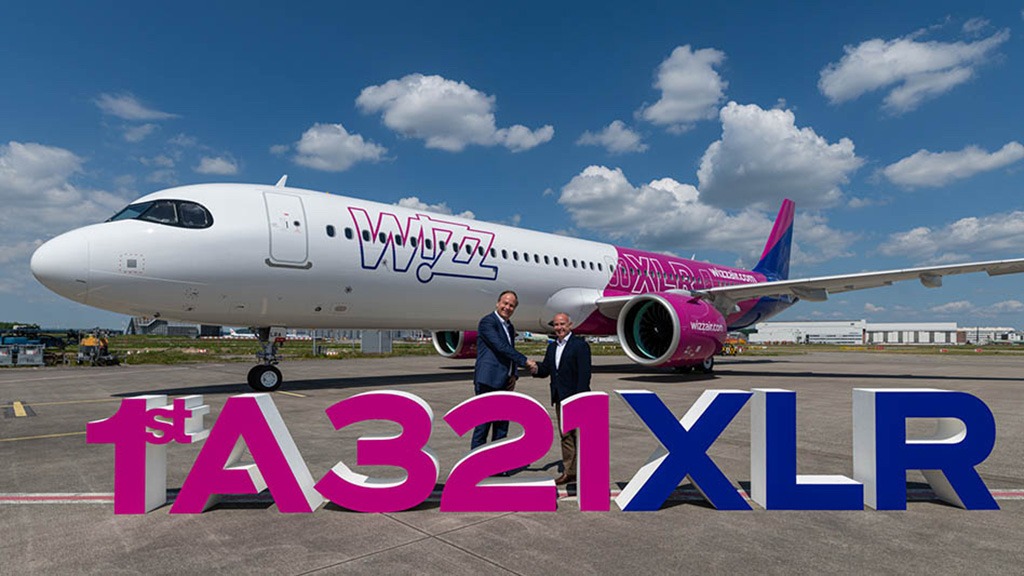
Wizz Air’s current UK-based fleet comprises 21 Airbus A321 aircraft, including three long-range Airbus A321XLR jets. The A321XLR, with its extended range and lower operating costs, is widely seen as a potential disruptor on thinner transatlantic routes, making low-cost UK–US services more viable.
If approved, the application would mark a significant strategic step for Wizz Air as it explores opportunities beyond its traditional short- and medium-haul European network, and could intensify competition on transatlantic routes that have historically been dominated by full-service carriers and joint ventures.