


Travellers heading to the Andes or the Amazon rainforest are being told to expect unpredictable weather in Peru, after August 2026 tied the record for the hottest month the world has ever seen.
The warning comes from Hedder Quispe Puente de la Vega, Travel Expert at Machu Travel Peru, who says shifting rainfall and less reliable forecasts are now a bigger concern for visitors than heat alone. For UK companies sending staff to Peru for meetings, site visits or incentive trips that tack on a few days around Cusco, the practical message is to plan for change rather than assume conditions will match the season.
The Copernicus Climate Change Service confirmed August as the world’s joint hottest month on record, and Travelling for Business first reported the expert’s warning in our earlier story on Peru’s less predictable travel conditions.
How climate change in Peru affects different regions
Quispe Puente de la Vega stresses that the effects will not be the same everywhere. “Rising temperatures don’t mean that every part of Peru will simply become hotter,” he says. His point is that the real disruption lies in altered rainfall, weaker weather predictability and changing trail conditions in the mountains.
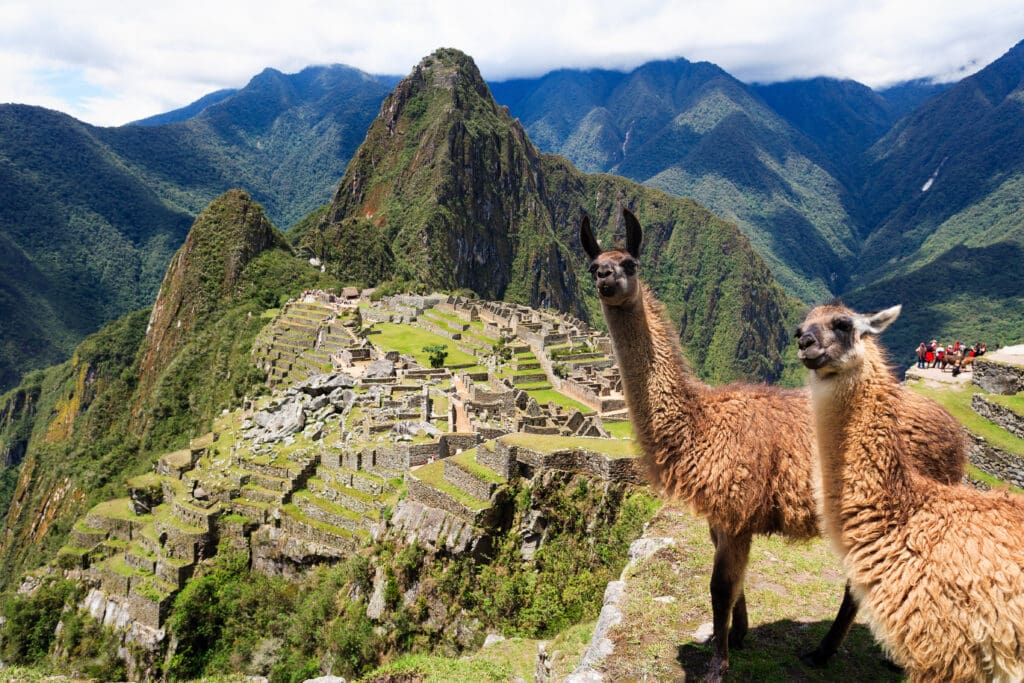
In the Andes, around Cusco and the Sacred Valley, changes in temperature and rainfall can influence ecosystems and water supply as well as the state of popular hiking routes. Visitors may find the weather turning suddenly, trail surfaces altered and plans needing to be rethought on the day itself.
The Amazon faces a different set of pressures. Higher temperatures and fluctuating rainfall can change river levels, wildlife behaviour and access to parts of the rainforest. Because so many excursions rely on navigable rivers and seasonal trails, boat transport and guided trips could be interrupted more often than in the past.
What to pack for Peru when conditions keep changing
The answer depends on where the trip goes. In the Andes, travellers should prepare for strong sun, cooler temperatures and rain, sometimes all in the space of a single day, and Quispe Puente de la Vega says waterproof layers, sun protection and sturdy footwear make a significant difference. The Amazon calls for another kit list entirely, with breathable clothing and effective insect repellent needed to cope with heat, humidity, rain and insects.
Beyond packing, he advises checking reliable forecasts before each activity and following local safety recommendations, particularly in mountain and rainforest areas. The UK Foreign, Commonwealth and Development Office’s Peru travel advice is also worth reading before departure.
Planning for unpredictable weather in Peru
For travel managers organising business travel to Peru, the most useful takeaway is flexibility. Quispe Puente de la Vega recommends building extra time into itineraries so that travellers and operators can adjust safely if weather hits hiking routes, roads, train connections or rainforest excursions. On a work trip, that could mean avoiding a tight connection between a Sacred Valley visit and an onward flight from Cusco, or leaving a spare day before a key meeting in Lima.
Unpredictable weather in Peru is also a reason to check insurance and duty of care arrangements. Our guide on why business travellers need to rethink weather risk and their cover sets out what employers should review before staff travel.
None of this, the expert argues, is a reason to cancel. He says climate change should not put people off seeing Peru’s landscapes, but it does call for more thoughtful and responsible travel: respecting local guidance, adapting plans when conditions shift and choosing local guides and operators who understand each region.
Tourism remains vital to communities across the Andes and the Amazon, and visitors can help by supporting local businesses, following conservation rules, avoiding waste and keeping to designated routes while respecting wildlife. His conclusion is simple. Travellers should keep exploring Peru, but travel smarter, with good preparation, local expertise and a willingness to adapt protecting both their plans and the fragile environments that make the country so distinctive.

