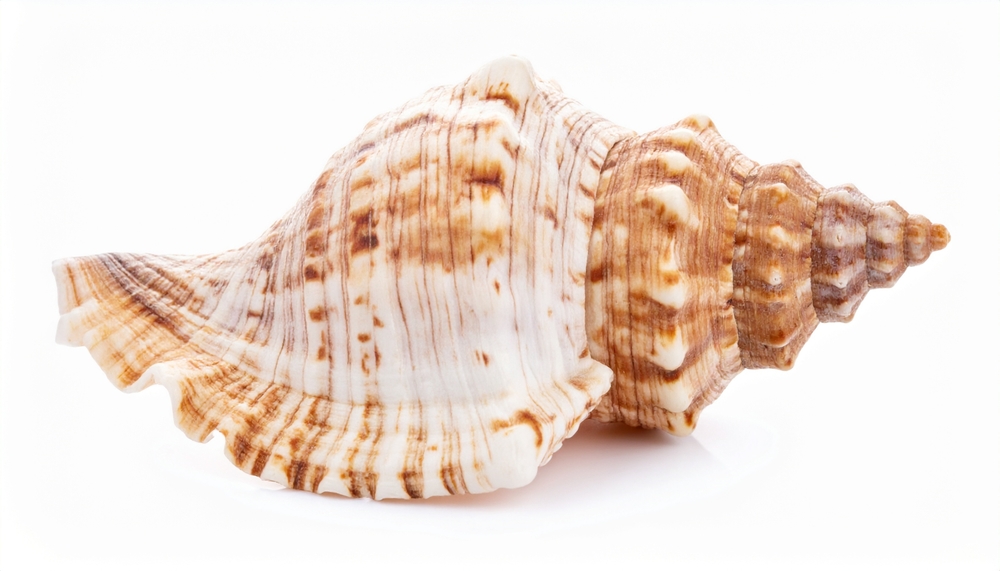
National Seashell Day Returns – But Travellers Are Urged Not to Take Shells Home
National Seashell Day, celebrated each 21st June, shines a spotlight on the world’s coastlines and the marine ecosystems that depend on them. Originally launched in Florida to mark the start of summer, the day has since grown into a wider celebration of beach culture, coastal conservation and the simple joy of shell‑collecting.
But while the day encourages people to appreciate the beauty of shells, UK travellers are being reminded that bringing seashells home from overseas trips can be illegal and harmful to marine environments.
What Happens on National Seashell Day
Across coastal destinations, the day is marked with beach walks, conservation workshops, shell‑identification sessions and family‑friendly events designed to highlight the ecological importance of shells. Many resorts and tourism boards use the occasion to promote responsible shoreline behaviour, including leaving shells where they are found.
For travellers, it’s a chance to explore coastal habitats, learn about marine species and understand how shells play a vital role in protecting beaches and supporting biodiversity.
Why UK Travellers Should Not Bring Shells Home
While picking up a shell may feel harmless, removing natural materials from beaches can damage fragile ecosystems and in many cases, it’s restricted by law.
Here’s why UK travellers should avoid bringing shells back:
1. Environmental protection laws
Many countries — including EU coastal nations, the Maldives, the Seychelles and parts of the Caribbean — prohibit the removal of shells, coral, sand and rocks. These items help stabilise beaches, provide habitats for marine life and protect coastlines from erosion.
2. UK customs restrictions
Under UK Border Force rules, travellers cannot bring home coral, certain shells, or any items listed under CITES (the Convention on International Trade in Endangered Species) without the correct permits. Items seized at the border can result in fines or confiscation.
3. Hidden ecological impact
Empty shells are often reused by hermit crabs and other species. Removing them reduces available habitats and disrupts natural cycles.
4. Risk of transporting invasive species
Shells can carry microscopic organisms that, if brought into the UK, could harm local ecosystems.
What Travellers Should Do Instead
• Take photos, not shells — the safest and most sustainable souvenir.
• Buy ethically sourced, certified shell products if you want a keepsake.
• Join guided beach walks that focus on conservation rather than collection.
• Check local rules before touching or removing anything from the shoreline.
A More Responsible Way to Celebrate
National Seashell Day is ultimately about appreciation, not collection. For business travellers extending a trip or families planning a summer break, it’s a timely reminder that small actions like leaving shells where they belong help protect the world’s coastlines for future generations.