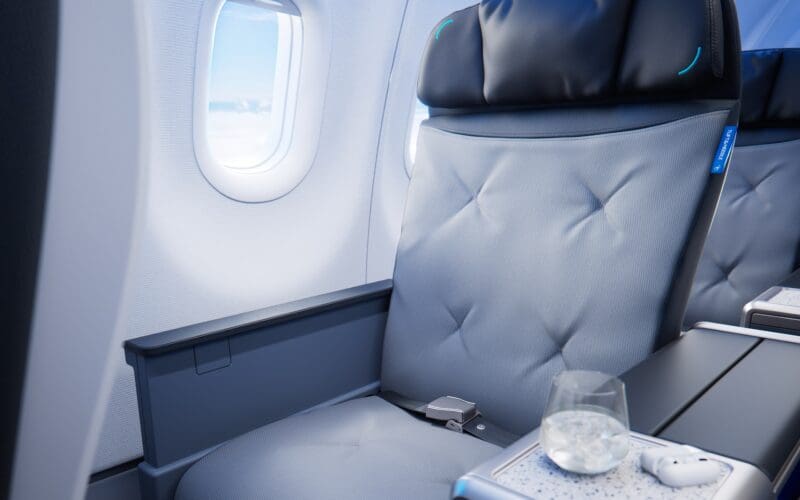
You land in Singapore after a 17-hour flight from New York. Your watch says it’s 7 AM, but your body insists it’s dinner time.
You have a client meeting in three hours, a hotel gym that closes at 10 PM, and approximately zero desire to do anything except sleep. Meanwhile, your muscles are quietly entering a catabolic state that could undo weeks of training if you don’t act fast.
Frequent travelers face a problem most fitness advice ignores: maintaining muscle mass and training consistency when your circadian rhythm is in revolt. The solution isn’t willpower. It’s strategic protein intake that travels as well as you do.
The Science Behind Jet Lag and Muscle Recovery
Understanding Your Body’s Internal Clock
Your circadian rhythm controls more than sleep. It regulates protein synthesis, the process by which your muscles repair and grow after training. When you cross multiple time zones, this internal clock stays anchored to your departure city for several days. During this desynchronization, protein synthesis drops by up to 30 percent compared to baseline, even if you’re consuming adequate protein.
The problem compounds because your body can’t store amino acids the way it stores carbohydrates or fat. Miss a protein feeding window, and you’ve lost an opportunity for muscle maintenance that you cannot recover later.
Cortisol and Catabolic States During Travel
Long-haul flights spike cortisol levels by 40 to 70 percent within the first 24 hours of arrival. Elevated cortisol triggers muscle protein breakdown to supply amino acids for energy production. Add poor sleep quality in unfamiliar hotel beds, and you’re creating conditions where muscle loss accelerates faster than during a sedentary week at home.
This is not hypothetical. A 2019 study in the *Journal of Applied Physiology* found that subjects who traveled across five or more time zones lost measurable lean mass within 72 hours if they didn’t compensate with increased protein intake and strategic training.
Calculating Your Protein Needs While Traveling
Protein Requirements for Active Travelers
The standard recommendation of 0.7 grams of protein per pound of body weight assumes normal sleep, regular training, and stable circadian function. You have none of those advantages when traveling. Aim for the higher end of the range: 0.9 to 1 gram per pound. For a 180-pound traveler, that’s 160 to 180 grams daily, split across four to five feedings.
This isn’t optional if you want to maintain muscle. Research from McMaster University shows that raising protein intake by 20 percent during periods of circadian disruption prevents the muscle loss that otherwise occurs.
Meal Timing Strategies Across Time Zones
Force your first protein feeding within two hours of landing, regardless of what your appetite suggests. Jet lag suppresses hunger cues, but your muscles still need amino acids. Consume 30 to 40 grams of fast-digesting protein immediately after any workout, even if it’s a bodyweight session in your hotel room at 2 AM because you can’t sleep.
Space remaining feedings every three to four hours based on the local time zone, not your internal clock. This helps reset your circadian rhythm while ensuring consistent amino acid availability.
Building a Portable Protein Strategy
Essential Travel-Friendly Protein Sources
Whole food protein is ideal but unreliable when you’re navigating foreign airports and unfamiliar restaurants. Powder supplements become essential infrastructure. You need something that mixes easily without a blender, travels without refrigeration, and delivers 20 to 25 grams of protein per serving with minimal filler.
Grass fed whey protein meets those requirements without the artificial sweeteners and thickeners that cause digestive issues during travel. A pre-portioned serving in a shaker bottle turns any hotel room into a protein source, regardless of room service hours or restaurant quality.
Packing and Storage Solutions
TSA allows powder in carry-on luggage, but pack it in clear containers or original packaging to avoid delays at security. Portion individual servings into sandwich bags or small containers: 30 grams of powder per bag. A week-long trip requires 15 to 20 servings if you’re supplementing two to three meals daily.
Store powder in your hotel room safe or a sealed bag inside your suitcase. Humidity degrades powder quality. Never leave it in a hot car or checked luggage exposed to temperature extremes.
Adapting Your Workout Schedule to New Time Zones
First 48 Hours Workout Protocol
Wait at least 12 hours after landing before attempting a high-intensity workout. Your neuromuscular coordination is impaired when sleep-deprived, increasing injury risk. The first workout should be low-intensity: 30 minutes of bodyweight movements or light cardio to promote blood flow without excessive stress.
On day two, reassess. If you slept at least five hours and feel mentally clear, resume normal training but reduce volume by 20 percent. A workout that normally takes 60 minutes should take 45 minutes. Maintain intensity on key lifts but cut accessory work.
Leveraging Exercise to Reset Your Circadian Rhythm
Exercise at the same local time you normally train at home, even if it feels wrong. If you train at 6 AM in New York, train at 6 AM in Singapore. This sends a strong signal to your circadian system that accelerates adaptation. Morning workouts work best for eastward travel. Evening sessions help when traveling west.
Exposure to bright light during and immediately after your workout amplifies the effect. Train near a window or outdoors when possible.
Pre-Flight and Post-Flight Nutrition Protocols
24 Hours Before Departure
Consume 20 percent more protein than usual in the 24 hours before a long-haul flight. This creates a buffer of circulating amino acids that helps minimize muscle breakdown during travel. Prioritize slow-digesting proteins at your final meal before departure: Greek yogurt, cottage cheese, or casein powder. These sustain amino acid release for six to eight hours.
Avoid alcohol and minimize sodium to reduce dehydration, which impairs protein absorption.
Landing Day Nutrition Game Plan
Your first meal after landing sets the trajectory for recovery. Make it protein-dominant: 40 to 50 grams from whole food sources if available, or double your normal protein shake serving. Pair it with simple carbohydrates to replenish muscle glycogen and enhance amino acid uptake.
Do not rely on willpower to make good choices when jet-lagged. Pre-plan this meal. Know which restaurant near your hotel serves grilled chicken or salmon. Have backup whey protein powder ready if the first option fails.
Hotel Room Workout and Nutrition Hacks
No-Equipment Strength Training
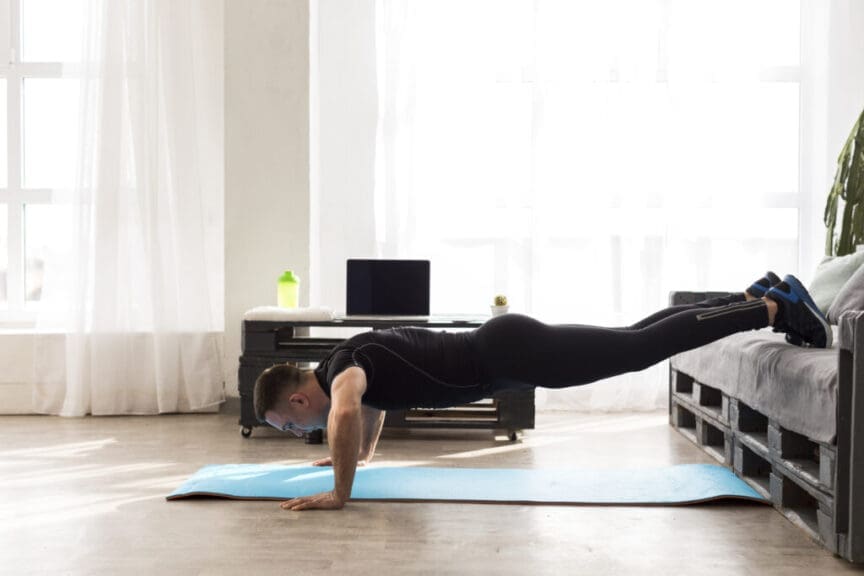
Maintain training stimulus with five exercises: push-up variations, single-leg squats, inverted rows using a desk or sturdy table, planks, and glute bridges. Perform three sets of 12 to 15 reps for each movement. This takes 25 minutes and preserves muscle activation patterns when you can’t access a gym.
The goal is not to build muscle. It’s to signal your body that muscle tissue remains necessary despite the disruption to your routine.
Dining Out Without Derailing Your Goals
Order double protein at every restaurant meal. Two chicken breasts instead of one. Extra salmon. Ask for egg whites added to omelets. Restaurant portions rarely provide adequate protein for active travelers, especially when meals are spaced six to eight hours apart due to meeting schedules.
Skip appetizers and dessert. Redirect that budget to the extra protein surcharge most restaurants charge. Request all sauces on the side to avoid hidden sugars that displace protein calories.
Maintaining Progress Across Time Zones
Successful fitness maintenance during travel is not about replicating your home routine in foreign cities. It’s about having a protein strategy reliable enough to prevent muscle loss regardless of which time zone you wake up in. Pack your powder. Hit your numbers. Train when your body allows it. Everything else is negotiable.