Switzerland Tourism has launched a global strategy to grow its share of the luxury travel market, built around a concept it calls Swiss Silent Luxury, an understated approach to high-end tourism rooted in nature, privacy, service and meaningful experiences.
The move matters for UK business travellers because it signals where Swiss hotels, rail operators and destinations will be investing next: quieter, higher-quality experiences spread across the year and beyond the usual hotspots, rather than headline-grabbing glitz.
Why Switzerland is chasing the luxury pound
The numbers behind the decision are striking. Sales in the global luxury travel sector are expected to almost double by 2032, and in Switzerland the segment already punches well above its weight. Five-star hotels account for around 8% of overnight stays in the Swiss hotel industry, yet generate 25 to 30% of total revenues. Luxury visitors spend an average of CHF 630 per person per day.
Rather than leave that growth to chance, the national tourist board has decided to develop the luxury market comprehensively with a single global strategy, unveiled in 2025.
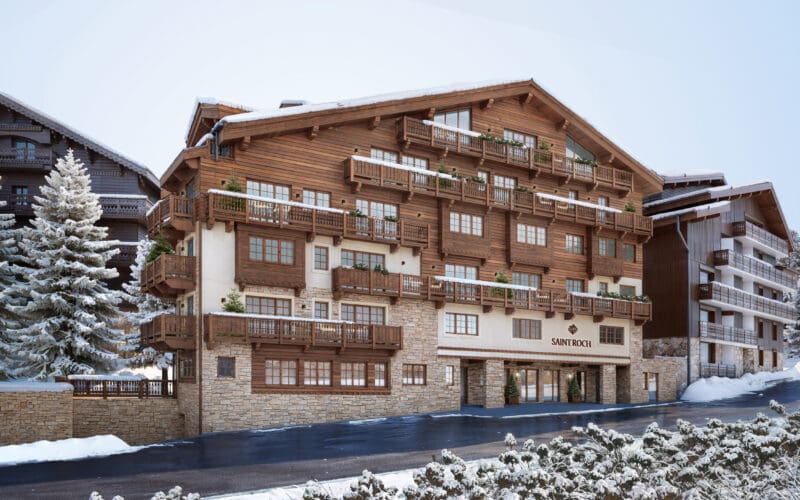
The thinking reflects a shift in how affluent travellers define value. Guests are increasingly seeking time, space, discretion and an authentic connection to a destination, rather than overt displays of wealth. Research shows luxury travellers come to Switzerland for a type of luxury that is felt rather than flaunted, whether that is a lakeside retreat, a historic grand hotel, mountain wellness, private rail journeys, fine dining or quiet cultural encounters.
Three pillars of the strategy
Swiss Silent Luxury is built around three core pillars: Alpine Nature, Discretion & Privacy, and Excellence in Service & Craft. Together, Switzerland Tourism says, these reflect a uniquely Swiss style of luxury that is calm, discreet, high-quality and deeply connected to the destination.
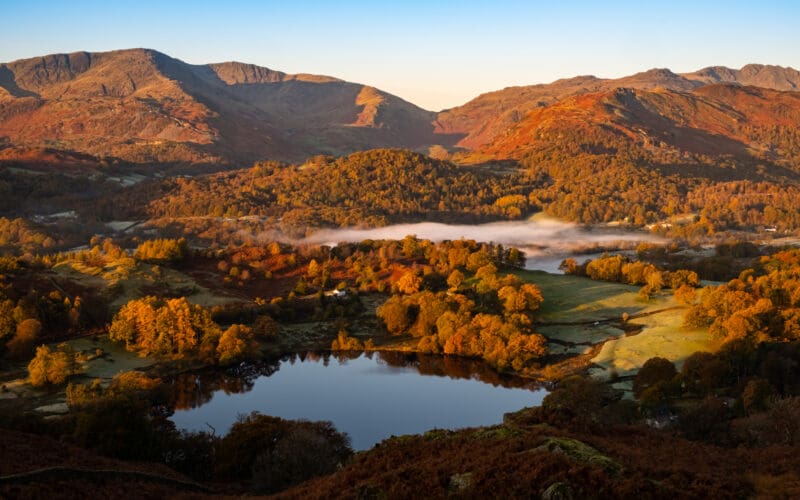
Switzerland is well placed to deliver on that promise. The country’s case rests on its world-class hotels, renowned hospitality, wellness expertise, private service culture, culinary excellence, innovative design, rich heritage, stunning Alpine landscapes and year-round access. Its panoramic trains, including routes such as the Golden Pass, already give premium travellers a distinctive way to see the country without setting foot in a hire car. Details of the country’s five-star portfolio are set out on Switzerland Tourism’s luxury hotels pages.
What it means for UK business travellers
For UK companies and their frequent flyers, the strategy points to a Swiss market increasingly geared towards the bleisure end of corporate travel: longer stays, off-peak visits and itineraries that reach beyond Zurich and Geneva. Switzerland Tourism wants high-value travellers who stay longer, spend more, travel across seasons and explore beyond the traditional tourist hotspots.
That ambition also has an economic dimension. The tourist board argues luxury travel can help create jobs, support local communities, boost regional economies and encourage more balanced tourism growth across Switzerland, a message aimed as much at Swiss regions as at overseas markets. Switzerland Tourism’s trade portal carries the full luxury market programme for travel sellers.
Getting there may soon become easier too. Plans for a direct London to Switzerland rail link are advancing, which would hand UK executives a lower-carbon route into a market now openly courting them. For business travel bookers, the practical takeaway is simple: expect more premium product, more year-round availability and more reasons to extend the trip.