


There are mountains that impress, and then there are mountains that seem to belong in another world.
The Mourne Mountains, rising sharply from County Down’s coastline, fall firmly into the latter category. With granite peaks, sweeping valleys, ancient stone walls and landscapes that inspired both literary fantasy and television epics, the Mournes offer one of the most rewarding escapes on the island of Ireland.
For walkers, photographers and anyone seeking a dose of wild beauty, this corner of Northern Ireland delivers in abundance.
Why Visit the Mourne Mountains?
The Mournes are home to Northern Ireland’s highest peaks, including the mighty Slieve Donard, which towers 850 metres above sea level. Yet what makes the range so special is the contrast between mountain and sea. On a clear day, visitors can gaze across rolling countryside, the Irish Sea and, in the distance, the Isle of Man and Scotland.
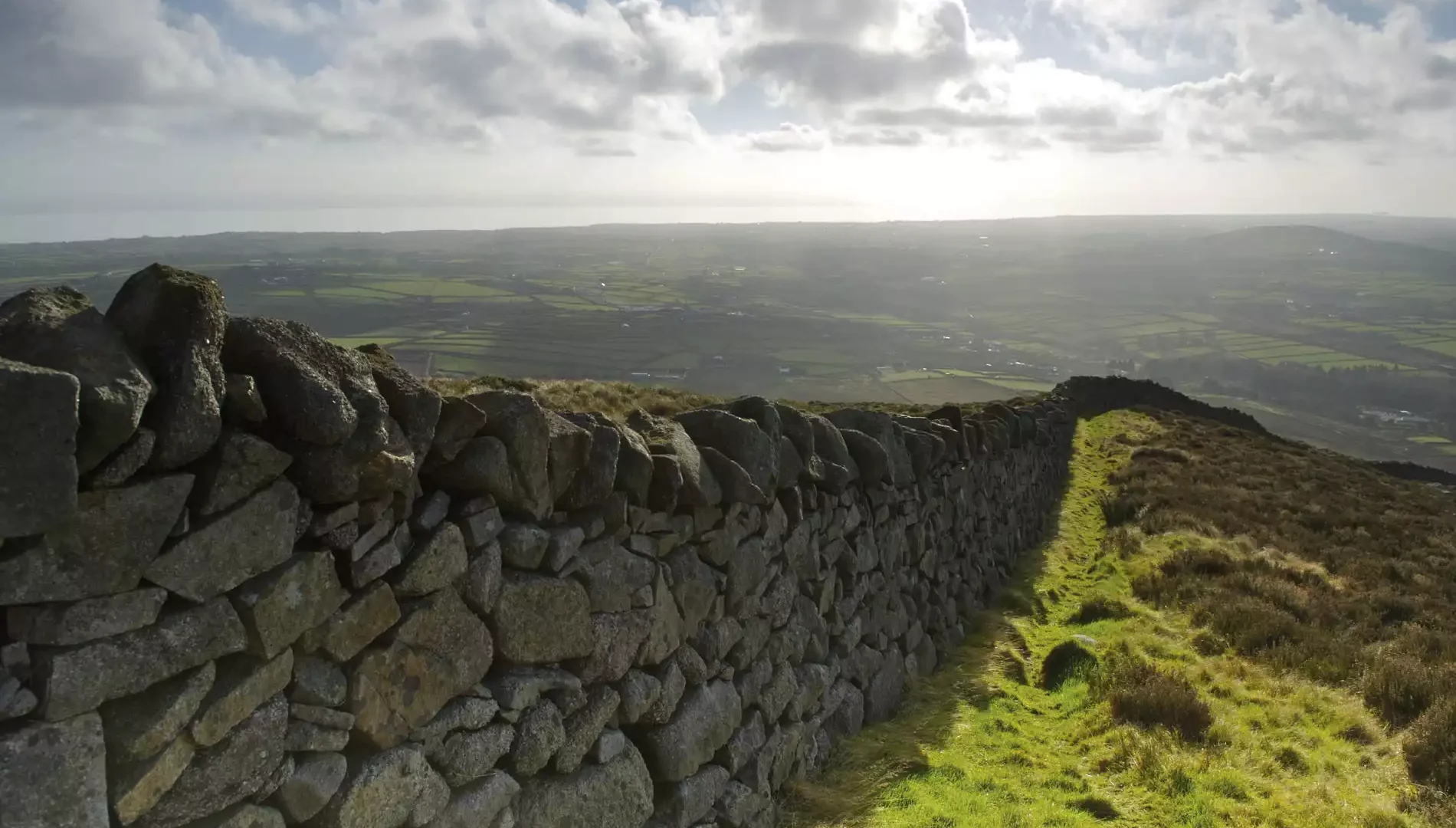
The landscape is defined by rugged granite summits, heather-covered slopes, crystal-clear reservoirs and the iconic Mourne Wall, a 35-kilometre dry-stone structure built between 1904 and 1922 that snakes dramatically across the mountains. It’s easy to see why generations of artists, writers and filmmakers have fallen under its spell.
What to See and Do
Climb Slieve Donard
The most famous walk in the Mournes is the ascent of Slieve Donard. Starting from the seaside town of Newcastle, the route passes through forest trails before opening onto spectacular mountain scenery. Reaching the summit provides panoramic views stretching across Northern Ireland and beyond.
While challenging, it remains one of Ireland’s most rewarding day hikes.
Follow the Mourne Wall
One of the most distinctive features of the region, the Mourne Wall crosses 15 mountain summits and has become almost as famous as the peaks themselves.
Even if you’re not tackling the full route, sections around Hare’s Gap offer some of the most striking scenery in the range, making them ideal for walkers and photographers.
Explore Tollymore Forest Park
Nestled at the foot of the mountains, Tollymore Forest Park combines mountain views with Gothic bridges, winding rivers and ancient woodland.
The park’s atmospheric trails make it popular with families and casual walkers, but it has another claim to fame: television audiences around the world know it as the Haunted Forest from Game of Thrones. It was here that the series filmed its opening episode, including scenes featuring the White Walkers and the discovery of the direwolf pups.
Discover Silent Valley Reservoir
For a gentler experience, the Silent Valley Reservoir offers peaceful walks surrounded by some of the Mournes’ most impressive peaks. The reservoir remains one of the region’s most scenic spots and is particularly beautiful in the early morning light.
Enjoy Newcastle
The bustling seaside town of Newcastle serves as the gateway to the Mournes. After a day on the hills, visitors can reward themselves with local seafood, traditional pubs and a stroll along the promenade overlooking Dundrum Bay.
The Mournes, Narnia and C.S. Lewis
Long before dragons and White Walkers arrived, the Mournes inspired one of the most beloved fantasy worlds ever written.
Author C.S. Lewis, creator of The Chronicles of Narnia, frequently cited the Mourne Mountains as a major inspiration. Having grown up in Belfast, he looked across Belfast Lough towards the distinctive peaks and later described landscapes that felt as though “a giant might raise his head over the next ridge”. The region’s dramatic silhouettes helped shape his vision of Narnia’s magical mountains and wild landscapes.
For literary enthusiasts, there is something special about standing among the peaks that helped spark one of fantasy’s greatest creations.
The Game of Thrones Connection
Few regions played a bigger role in Game of Thrones than County Down.
Tollymore Forest Park became the Haunted Forest north of the Wall, while nearby Castle Ward was transformed into Winterfell, ancestral home of House Stark. Visitors can still explore many of the filming locations used throughout the series, including forests, abbeys and waterways featured in key scenes.
Another notable filming location is Leitrim Lodge, at the foothills of the Mournes, which appeared as the lands north of Winterfell and the route to Vaes Dothrak. Fans can combine mountain walks with dedicated filming-location tours, creating a unique blend of outdoor adventure and screen tourism.
Other Film and Television Links
The Mourne region’s cinematic scenery has attracted more than just Game of Thrones. The surrounding Mourne, Gullion and Strangford area has also been used for productions including Vikings, with its rugged landscapes providing ideal settings for historical and fantasy storytelling.
It is the combination of mountains, forests, rugged coastline and ever-changing weather that continues to make the area irresistible to filmmakers.
How to Get There
By Air
The nearest airports are:
- Belfast City Airport (around one hour’s drive)
- Belfast International Airport (around 75 minutes by car)
- Dublin Airport (approximately two hours by road)
By Car
The easiest way to explore the Mournes is by car. Newcastle, County Down, serves as the main gateway and is around an hour from Belfast.
By Public Transport
Regular bus services connect Belfast with Newcastle, making it possible to visit without a car, although some of the more remote mountain areas are easier to access by vehicle.
The Mourne Mountains deliver everything travellers look for in a great outdoor destination: dramatic scenery, rewarding walks, fascinating history and a touch of fantasy. Whether you’re tracing the footsteps of the Stark family, searching for the landscapes that inspired Narnia or simply enjoying one of the finest mountain ranges in the British Isles, the Mournes have a way of making the everyday world feel very far away indeed.
Getting lost in the Mournes may not lead you to Westeros or Narnia, but for a few hours, it feels remarkably close.

