


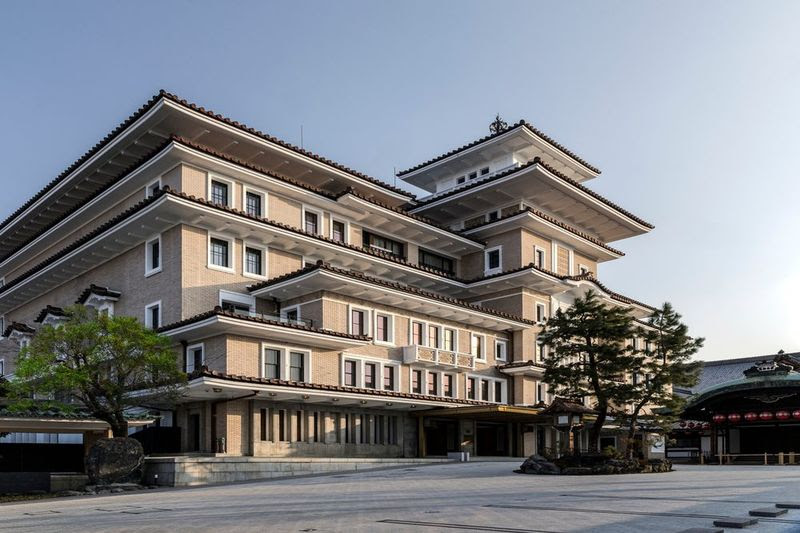
The Imperial Hotel Kyoto, which opened on 5 March 2026 in the city’s historic Gion district, is setting out its stall as one of Japan’s most distinctive places to stay in 2027, aiming a 55-room heritage property at visitors who want more from a trip than a standard international hotel room.
For UK business travellers, the appeal is practical as well as aesthetic. Kyoto is a short bullet train ride from Osaka, which makes it an easy addition to a working week in Japan, and a small, high-end address in the middle of the old city gives companies a credible option for entertaining clients, rewarding senior staff or adding a weekend to the end of a trip.
The hotel is in Gion, steps from the Gion Kobu Kaburenjo theatre, in a neighbourhood where traditional arts, wooden machiya houses and long-established rituals remain part of daily life. It occupies the restored Yasaka Kaikan, a cultural hall dating from 1936 that was for decades a gathering place for performances, films and community events.
Rather than demolish the ageing structure, the operator carried out a restoration that kept the building’s historic character while converting it to a new use. In 2026 the building retained its designation as a Registered Tangible Cultural Property, a status that reflects both its cultural importance and the care taken over the project.
The property is the group’s first new hotel in three decades, as Travelling for Business reported when the Kyoto opening was first announced. It joins a portfolio led by the flagship in the Japanese capital, a city that has itself been drawing more working visitors since Tokyo was named the world’s best workcation city.
With 55 rooms, the hotel is deliberately intimate, closer in feel to a private residence than a large city property. It is a member of The Leading Hotels of the World and holds One MICHELIN Key, placing it alongside established international competitors while keeping a firmly local identity.
That identity runs through the guest experience. Check-in takes place in a quiet guest lounge, where arrivals are offered wagashi sweets from Kyoto confectioners including Kagizen and Suetomi, served with Japanese tea from Ryuoen, a supplier with more than 200 years of history. Interiors use locally sourced materials and artisan craftsmanship, with design references drawn from the city’s cultural heritage and a restrained, understated finish.
Guests can also book curated cultural activities, among them Gosho-ningyo doll-painting workshops, which celebrate one of the city’s long-standing artistic crafts. For firms planning client hospitality or a small reward trip, that kind of programme offers something more memorable than a conventional dinner.
The hotel’s argument for 2027 is that travellers increasingly want stays rooted in local culture, and that heritage properties are well placed to meet that demand. That will resonate with employees who combine work and leisure, a trend covered regularly in our bleisure travel section.
There are practical points for travel bookers to weigh. A property of this size has limited availability, so anyone considering the Imperial Hotel Kyoto for a 2027 trip should book well ahead, particularly around the busiest seasons. The source material gives no room rates, but a hotel in this category is likely to sit outside standard nightly caps, so travellers should seek approval under their company travel policy before confirming.
Nor does the announcement detail meeting or event space, so organisers planning anything more formal than a client dinner should check facilities directly with the Imperial Hotel, Kyoto before committing.
For businesses with regular commitments in the Kansai region, the Imperial Hotel Kyoto adds a new top-tier choice in a city where character counts for as much as convenience.

