British Airways has become the first UK carrier to allow passengers to make voice and video calls during flights, as it begins installing Elon Musk’s Starlink satellite internet across its fleet.
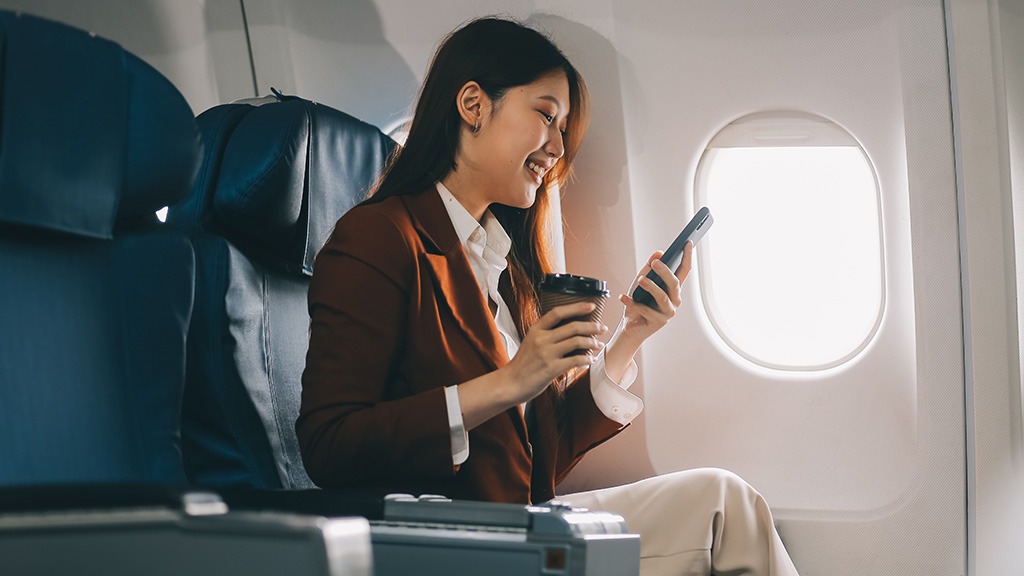
The move sets BA apart from almost every major airline, most of which explicitly prohibit voice calls even on Wi-Fi-equipped aircraft. Under the new policy, passengers will be free to make WhatsApp calls, join video conferences and use other voice-over-internet services while airborne.
Rather than imposing a blanket ban, BA says it will rely on passenger etiquette, asking travellers to wear headphones and keep noise levels down. The approach has already drawn criticism from frequent flyers and aviation commentators, who fear it could turn cabins into open-plan offices at 40,000 feet.
Rhys Jones, aviation editor at Head for Points, warned that without a clear-cut rule, enforcement becomes a matter of judgement. The concern, he said, is passengers being disturbed by calls and audio played without headphones, an issue that is far harder to police when there is no outright prohibition.
The experience of Qatar Airways, one of the few carriers that already permits calls, offers a cautionary tale. Reports from passengers suggest a noticeable rise in cabin noise since the policy was introduced, with some warning it has even led to confrontations between travellers.

BA’s connectivity upgrade centres on Starlink, the low-Earth orbit satellite network operated by SpaceX. The airline completed its first connected service on 19 March, a Boeing 787-8 flight to Houston drawing on a constellation of more than 10,000 satellites. The carrier plans to fit all 300 aircraft within two years.
Sean Doyle, BA’s chairman and chief executive, described the rollout as a landmark moment, saying the airline recognised how important staying connected had become for its customers. He positioned the investment as part of a wider modernisation programme for the airline.
For business travellers, the development is double-edged. The prospect of genuinely fast, reliable Wi-Fi at cruising altitude is welcome news for anyone who has struggled with patchy onboard connections. Yet the freedom to take calls, and the cabin noise that may follow, risks undermining the productive working environment that many road warriors rely on during long-haul flights.
The announcement comes at a turbulent time for air fares. Rising oil prices linked to the conflict with Iran are pushing ticket costs sharply higher, with some routes seeing fares close to double their pre-conflict levels. Industry analysts expect long-haul prices to continue climbing in the months ahead, adding further pressure to corporate travel budgets already under strain.