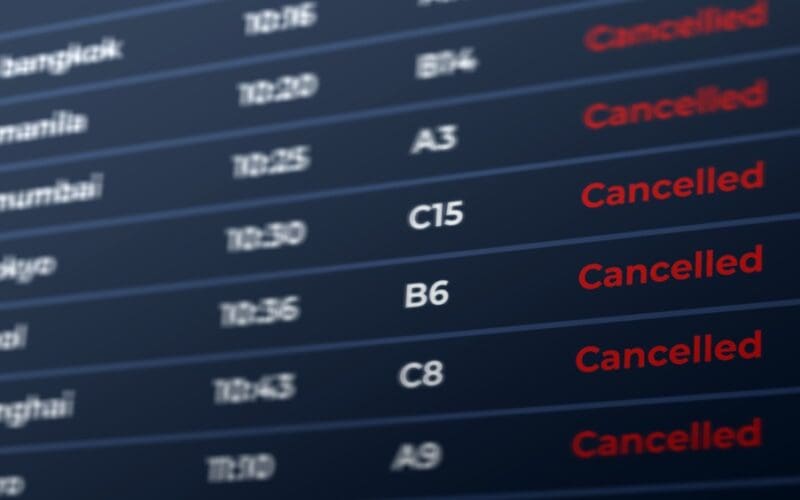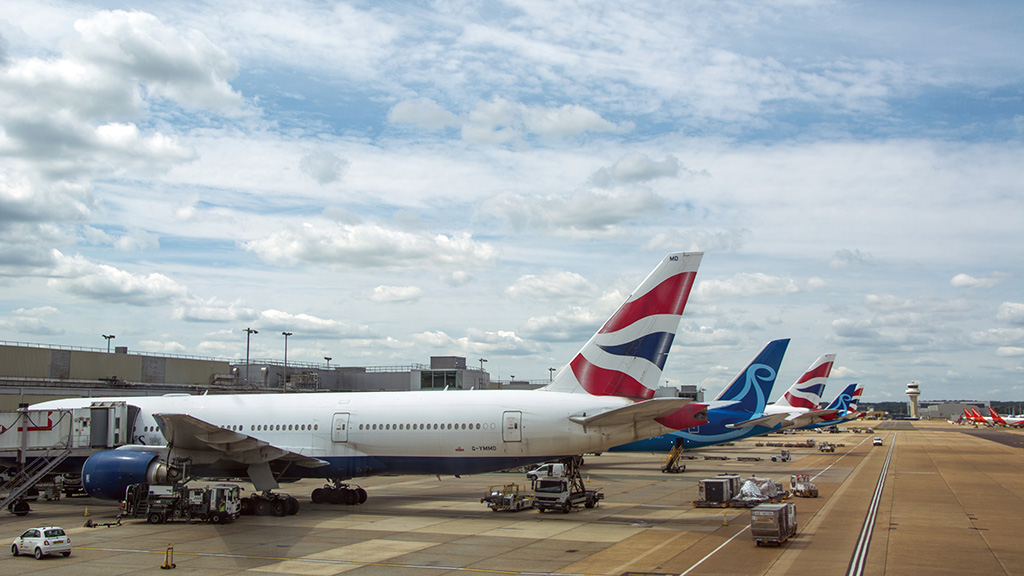
Britain’s two busiest airports have urged the government to abandon proposals that would let airlines scrap flights without notice, warning the move risks plunging the summer holidays of millions of business and leisure travellers into chaos.
In a co-ordinated push-back, Heathrow and Gatwick have written to ministers opposing plans to relax the long-standing “use it or lose it” slot rules, which the Department for Transport is considering as a contingency against the deepening jet fuel shortage triggered by the Iran war.
Industry sources say the airports fear carriers would seize on any softening of the regime to “rip up their summer schedules”, leaving corporate travellers and holidaymakers stranded with little or no warning.
Slot rules in the firing line
Under the current framework, airlines must operate at least 80 per cent of their reserved slots at a given airport or risk forfeiting them the following season. The regime already permits carriers to postpone one in five flights while preserving their rights to the slot.
At Gatwick alone, that flexibility translates to around 25,000 flights, the equivalent of roughly five million seats, being cancelled annually without penalty. Industry analysts warn that the additional latitude under consideration by the government could lift the total number of dropped services across UK airports above 100,000.
A spokesperson for trade body Airports UK said: “We are supportive of government efforts to plan for future contingencies. But we are not there yet and supply is not an issue. Our view is that the existing mechanisms will suffice for the time being. We haven’t heard anything that would suggest that there is a need to go any further.”
An airport insider, briefing The Telegraph, said carriers could exploit looser rules to overhaul their summer programmes mid-season, leaving passengers exposed.

Fuel crunch hits demand
The intervention comes as UK jet fuel inventories slide to their lowest level on record, with industry observers describing Britain as the European market most exposed to the shock. Heathrow, Europe’s largest airport, this week disclosed a five per cent drop in April footfall to 6.7 million passengers, blaming the “ongoing impact of the Middle East conflict” for a wave of cancellations and reroutings.
Yet not all corners of the sector accept the case for emergency action. IAG, the FTSE 100 parent of British Airways, last week played down concerns, telling investors it had so far experienced “no issues with fuel availability”.
Public confidence wavers
Consumer sentiment, however, is hardening against Whitehall. Two in five Britons say they fear fuel shortages will disrupt their own or their family’s summer travel, while 59 per cent told pollsters they had no confidence in the government’s handling of the supply crunch – a stark warning for ministers heading into the peak corporate and leisure travel season.
A Department for Transport spokesperson said: “UK airlines have been clear they are not currently facing fuel shortages. Holidays are taking off as planned, and based on current information, we’re confident that most people travelling this summer will have a similar experience to last year.
“We’re not sitting on our hands though – we know this is an evolving situation, and it’s only right we plan ahead to ensure protections and mitigations are in place so airlines can get ahead of any problems and lock in schedules which work for passengers and prevent last minute disruption.”
For UK corporate travel buyers, the stand-off raises the prospect of fresh schedule volatility just as bookings ramp up for the summer trading period. With airports arguing existing flexibility is more than sufficient and airlines, on the airports’ reading, lobbying for a far freer hand, the consultation outcome is shaping up to be one of the most consequential calls Labour’s transport team has yet faced on aviation policy.