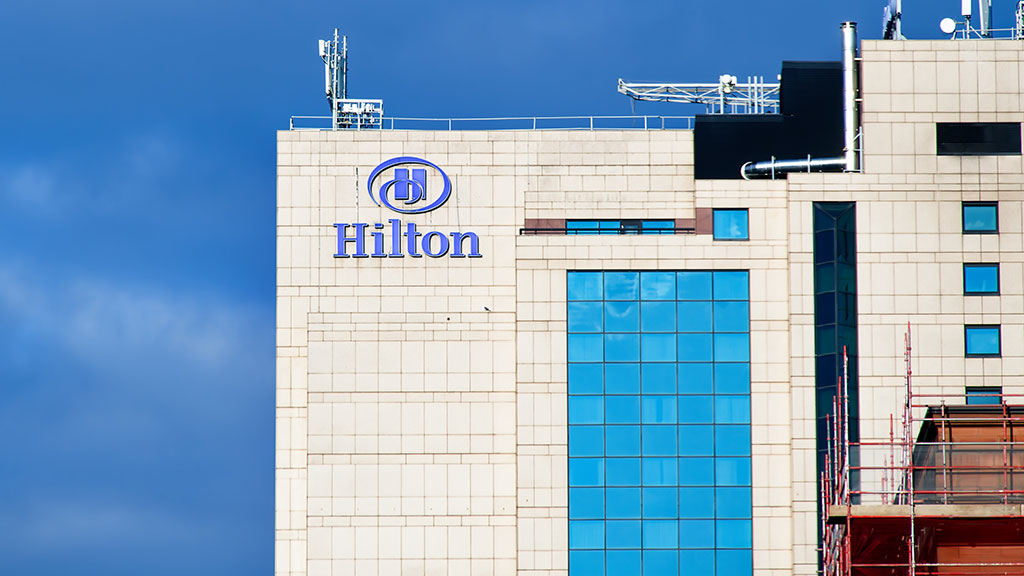
Hilton has warned the Government that hotels are being repeatedly overlooked in efforts to ease the hospitality sector’s business rates burden, a gap that threatens the very accommodation UK companies depend on when their people travel for work.
The hotel group hit out after Greater Manchester mayor Andy Burnham pledged to cut business rates for pubs, clubs and music venues, a package that leaves out hotels and resorts. For SMEs whose staff are on the road regularly, the worry is simple. If hotels keep absorbing tax rises that rivals are spared, those costs tend to resurface in room rates.
Stephen Cassidy, senior vice president of Hilton UK and Ireland, said any support for hospitality was welcome but that it was “essential” hotels were written into future relief packages.
“Hotels have been disproportionately impacted by business rates changes and other taxes in recent years, despite their significant contribution to job creation and economic growth,” he said.
Why the numbers matter to travelling SMEs
The figures behind Hilton’s frustration are steep. Following Rachel Reeves’s Autumn Budget, the average hotel was landed with an extra £28,900 in business rates in April, according to trade body UK Hospitality. By 2029, the average hotel’s bill will have climbed by 115 per cent, or £111,300, compared with last year.
Those are costs that hotels, like any business, will look to recover somewhere. London’s luxury operators have already signalled they will pass higher rates on to guests, a pattern that can squeeze corporate travel budgets well beyond the capital.
Cassidy argued hotels earn their place in any rescue plan. “Hotels are major employers in local communities across the UK, support local supply chains, attract visitors and investment, and provide one of the country’s most important routes into work for young people,” he said.
Hilton, listed on the New York Stock Exchange, operates more than 9,200 hotels worldwide and reported $2.8bn in revenue in the year to December.

Butlin’s and UK Hospitality pile in
Hilton is not alone. Jon Hendry Pickup, chief executive of seaside resort chain Butlin’s, accused Burnham of shutting the sector’s biggest operators out of tax support.
“It’s encouraging to see the Government recognising the pressure hospitality businesses have been under. However, excluding major parts of the sector from this relief suggests those pressures are somehow less significant for some operators,” he said.
He added that large employers should not be overlooked “simply because of their size”, pointing to Butlin’s role in creating jobs in coastal economies.
Allen Simpson, chief executive of UK Hospitality, said restaurants and hotels were “struggling just as much as pubs” and called for a “meaningful, sector-wide solution”. The pubs, clubs and live music venues in line for help, he noted, account for only around a fifth of hospitality jobs.
A second front on the tourist tax
The row lands as hotels face another cost. A so-called tourist tax, the overnight visitor levy, came into force in Edinburgh on Friday, making it the first UK city to charge one. Legislation passed at this year’s King’s Speech clears the way for regional mayors in England to follow suit, with business travel groups already calling for corporate trips to be exempted.
UK Hospitality and the British Beer and Pub Association wrote to the Chancellor on Friday urging him to drop the “economically and socially damaging tax”. “There are no winners from a holiday tax,” they warned, listing business travel among those that would be hit.
HM Treasury was contacted for comment.