Raleigh is entering a significant new phase of destination development, with major convention, hotel and entertainment projects reinforcing its position as one of the fastest-growing meetings and events cities in the US.
City leaders say the scale of current and planned investment reflects Raleigh’s ambition to compete nationally for large-scale conventions, sporting events and cultural tourism.
“Numerous transformative investments for the future of Raleigh are underway,” said Dennis Edwards, president and CEO of Visit Raleigh. “These projects will attract thousands of new visitors, driving hotel stays, restaurant bookings and economic activity across the city. Raleigh’s position as a nationally competitive destination for meetings, sports, events and tourism has never been stronger.”
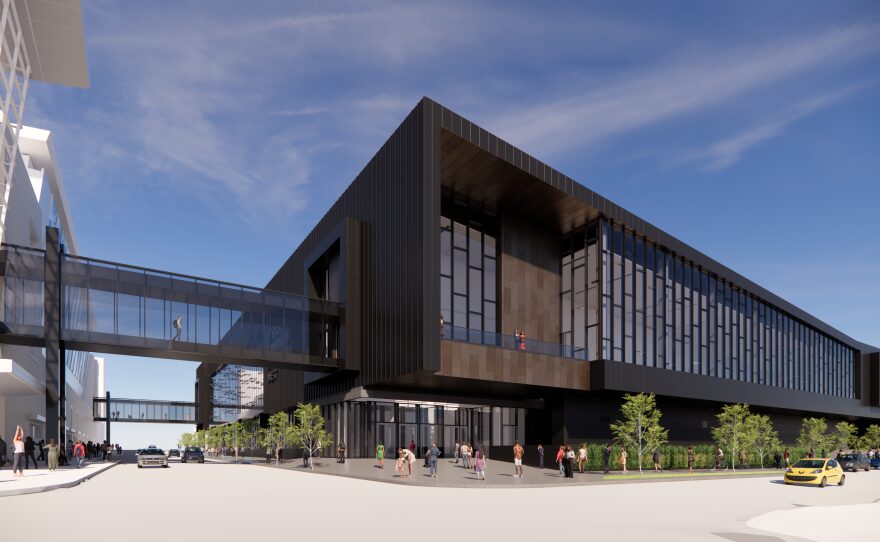
At the heart of the city’s strategy is a dramatic expansion of the Raleigh Convention Center (RCC), with an anticipated opening in 2029. Designed to achieve LEED Gold certification, the development will add 298,100 square feet, bringing the total footprint to 798,000 square feet.
Plans include 50,000 square feet of divisible flex space, an 18,000-square-foot ballroom and 13 new meeting rooms, significantly increasing the city’s capacity to host large national and international events.
To accommodate the expansion, the Red Hat Amphitheatre will relocate. Following its 2026 concert season, the venue is set to reopen in 2027 at a new site one block away, featuring enhanced amenities and a refreshed guest experience.
Breaking ground in February 2026, the 29-storey Omni Raleigh Hotel is scheduled to open in late 2028. Strategically located between the convention centre and the Martin Marietta Center for the Performing Arts, the hotel is designed to support high-end business, convention and leisure demand.

The property will feature 600 guest rooms, 61,000 square feet of meeting space, a 20,000-square-foot ballroom and a rooftop pool. Dining options will include North Carolina’s first Bob’s Steak & Chop House, a rooftop poolside restaurant and a sports bar with golf simulators, alongside a resort-style wellness facility.
Raleigh’s role as a major sports and entertainment hub is also being strengthened through upgrades at the Lenovo Center. Enhancements include expanded concourses, redesigned seating and a new upper-level View Bar.
Beyond the arena itself, plans call for the creation of a mixed-use Lenovo Center District, featuring 200,000 square feet of retail space, a 150-key hotel, a 4,300-seat ballroom, new food and beverage venues, and a network of parks, plazas and tailgating areas.
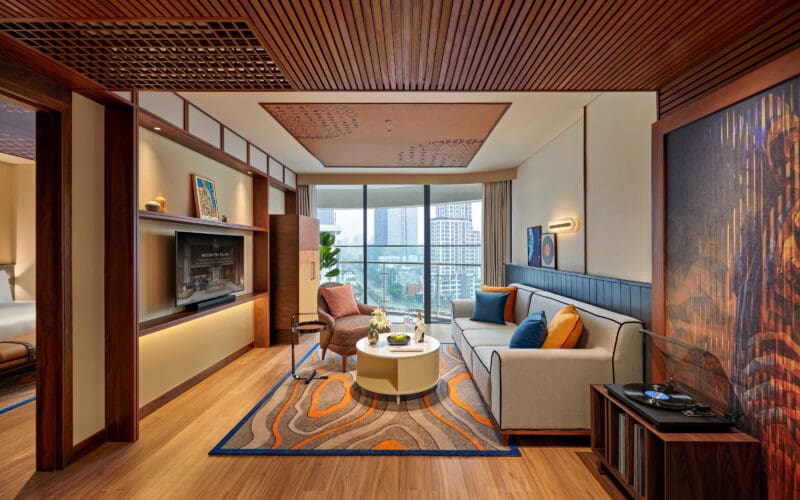
Away from the downtown core, a series of boutique hotel openings will add diversity to Raleigh’s accommodation landscape. In the Village District, the 150-room Oberlin Hotel is set to open in spring 2026, drawing on the area’s heritage through locally inspired artwork and design.
Elsewhere, musician Tift Merritt and hospitality entrepreneur Daniel Robinson are restoring The Gables, a 1928 motor lodge, with a reopening planned for summer 2026. In nearby Cary, the 186-room Pagemore Hotel at Fenton, opening in autumn 2027, will combine curated art, live music and a Culinary Theatre concept that places food at the centre of the guest experience.
According to Visit Raleigh, the wider Wake County area welcomes around 19 million visitors annually, generating $3.4 billion in visitor spending. Tourism supports more than 26,000 local jobs and contributes $321 million in state and local tax revenues each year.
With convention capacity expanding, new hotels coming online and entertainment districts evolving, Raleigh is positioning itself as a long-term player in the US meetings and events market — offering the scale, infrastructure and cultural depth increasingly demanded by organisers and travellers alike.