Lounge access has quietly become one of the more expensive habits in business travel. Which? put the average UK lounge entry at £42 an adult in May 2026, against £25 in 2017, which makes a membership look like sensible housekeeping for anyone flying more than occasionally.
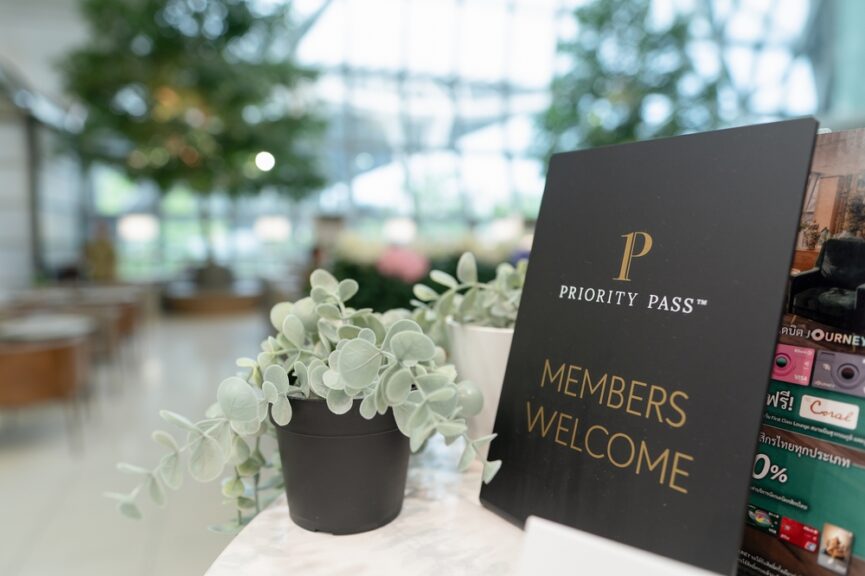
Priority Pass, run by British company Collinson, sells three tiers to UK customers. Standard costs £69 a year and charges £24 for every visit. Standard Plus is £229 and includes ten visits, with further visits at £24. Prestige is £419 and covers unlimited visits for the member. Guests are £24 a head on every tier. Discounting is frequent, so the headline price is often not what people pay.
The break even maths
Against around a £42 walk-in, the arithmetic is unusually clean. Standard pays for itself on the fourth visit of the year. Standard Plus overtakes it from about seven visits. Prestige is the awkward one: Standard Plus stays cheaper until roughly eighteen visits, so unlimited access only makes sense in a genuinely heavy flying year.
Regional travellers should adjust downwards. Pre-booked entry at Stansted starts around £29 and Manchester Terminal 3 around £30, so a Midlands or northern flyer needs more visits to justify the same fee than someone paying £49 at Plaza Premium in Heathrow Terminal 2. Anyone routinely travelling with a colleague should note that the guest is charged £24 regardless of tier, which erodes the case for Prestige quickly.
Where the small print bites
The network is broad in the UK. Heathrow has lounges in all four passenger terminals, Gatwick has several in each, and Manchester, Birmingham, Edinburgh, Glasgow, Bristol, Stansted and Luton are all covered. Breadth is not the problem. Availability is.
Several of the better rooms carry an additional fee, including the Clubrooms lounges at Heathrow Terminal 3, both Gatwick terminals and Birmingham, where the card gets you a discount rather than a free seat. Opening hours catch people out too: the Plaza Premium lounge in Heathrow Terminal 3 shuts at 14:00, Blush at Terminal 4 closes at 10:30 and Glasgow’s Lomond Lounge stops at 17:00, which rules out most evening departures. Priority Pass itself advises pre-booking during busy periods and warns that slots sell out weeks ahead, with a pre-booking fee that varies by lounge.
The dining benefit is more useful than most members realise. Participating restaurants give £18 off the bill per person, at outlets including Evergreen in Heathrow Terminal 3, The Globe in Terminal 5, PizzaExpress at Gatwick South and Juniper and Co at London City, where there is no lounge at all. Each £18 uses one visit from your allocation, so a member and a signed in guest spend two entitlements for £36 of credit.
Before you buy direct
Two things are worth checking first. Several UK cards and accounts bundle Priority Pass, and for many travellers the card route works out better, because the membership arrives alongside benefits you would otherwise buy separately. The catch is that card issued memberships are often restricted versions, and the dining credit in particular is unavailable at most UK outlets to holders whose pass came through American Express. Read what your card actually includes before paying £419 for something you may partly hold already.
The other is that Priority Pass is not the only programme. DragonPass sells directly to UK consumers from £68 a year with one visit included, and LoungeKey, from the same parent company as Priority Pass, comes only bundled with a payment card.
Then there is the question no membership answers. Most corporate travel policies do not reimburse lounge access, so this is usually personal money. Buy the tier that matches the flying you actually did last year, not the year you hope to have.