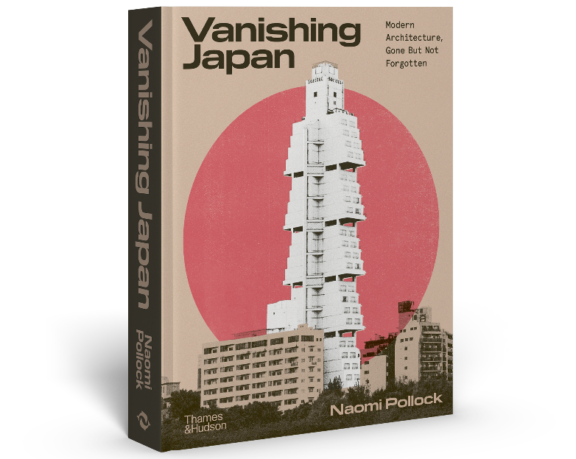
Vanishing Japan is a quietly arresting book – the kind that lingers long after you close it.
Architect and writer Naomi Pollock documents Japan’s disappearing built heritage with a precision and tenderness that feels increasingly rare. Rather than romanticising the past, she records it with clarity: wooden townhouses, shuttered bathhouses, fading shopfronts and rural structures that once defined everyday life but are now slipping out of view.
What makes the book compelling is its sense of urgency. Pollock captures buildings at the moment before erasure, creating a visual archive of spaces that shaped communities but no longer fit the pace or priorities of modern development. Her photographs are restrained and atmospheric, revealing the quiet dignity of structures often overlooked in favour of Japan’s more iconic architecture.
For business travellers who know Japan through its gleaming stations, efficient hotels and hyper‑modern cityscapes, Vanishing Japan offers a counterbalance. It reminds readers that the country’s identity is not built solely on innovation, but on layers of craftsmanship, vernacular design and local culture that risk disappearing without record.
The writing is concise, the imagery beautifully composed, and the overall effect is contemplative rather than nostalgic. This is not a coffee‑table book designed to flatter; it is a thoughtful piece of cultural preservation that deepens your understanding of Japan beyond the familiar.
For anyone who travels to Japan regularly or simply wants to see the country through a more nuanced lens, Vanishing Japan is a rewarding, quietly powerful addition to the shelf.
How we review
Travelling for Business pays for the rooms, flights and products we review unless we explicitly say otherwise. We never accept paid reviews or gifted stays in exchange for coverage.