Britain is entering what Aspire Pre‑Flight Hospitality calls the “summer of luxonomy”, a shift towards smaller, more affordable luxuries that elevate everyday life and travel without the price tag of traditional indulgence.
New research from the airport hospitality brand reveals a nation redefining luxury in real time, shaped by rising living costs, changing priorities and a desire for comfort over extravagance.
Half of UK adults now say they prioritise spending on smaller luxuries rather than major purchases . It’s a modern expression of the classic lipstick effect: when budgets tighten, people still seek moments of pleasure, but in forms that feel attainable rather than aspirational. Nearly half of respondents cite the rising cost of living as the reason for this shift, while only 13% prefer to save for larger luxuries.
Yet travel remains firmly on the agenda. Despite financial pressure, 55% of people say they plan to travel more or the same amount as last year in the next 12 months. What’s changing is how travellers define luxury once they set off. Instead of status symbols or high‑end purchases, luxury is increasingly about comfort, calm and meaningful experiences. A third of respondents say luxury means physical comfort throughout the journey, while others point to once‑in‑a‑lifetime experiences or the ability to fully switch off and relax .
This redefinition begins before travellers even reach their destination. For most people, the holiday “truly begins” at the airport – a moment that marks the psychological shift from everyday life to escape. More than half of respondents say this is where the holiday feeling starts, whether at arrival, after security, or once they sit down for food and drink. With 44% of Brits arriving three or more hours before departure, the airport has become a stage for small upgrades that make the wait feel calmer and more enjoyable.
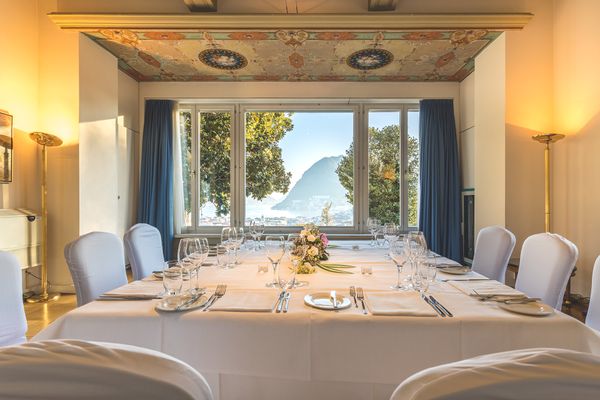
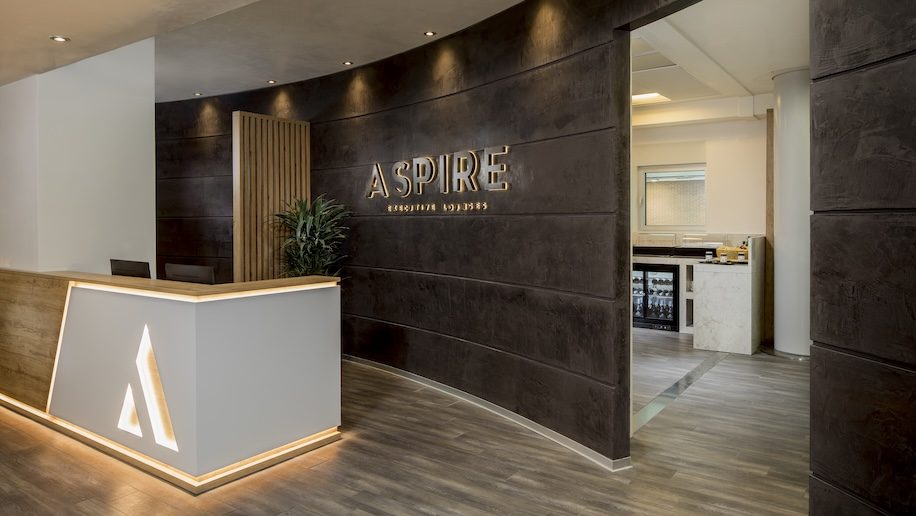
In this environment, luxury is defined by access to lounges, quality food and drink, and the chance to relax before boarding — experiences that feel indulgent without being out of reach. Aspire’s own lounges are designed to meet this demand, translating the atmosphere of a luxury hotel into a pre‑flight experience that prioritises comfort, calm and hospitality.
Younger travellers are driving the trend most strongly. Sixty per cent of 25–34‑year‑olds and 57% of 18–24‑year‑olds say they’ve shifted their spending to smaller luxuries, suggesting a generational reframing of what luxury means in an era of economic uncertainty .
David Collyer, Global Senior Vice President of Aspire, says luxonomy reflects a broader cultural shift. “Luxury is no longer about the biggest spend or the most extravagant purchase, but about the smaller moments that make life feel better — a calmer journey, a little more comfort, or a treat that turns waiting time into part of the holiday,” he explains . These moments, he adds, are what travellers increasingly seek: experiences that make the journey feel easier, more comfortable and more memorable from the very start .
Aspire’s research suggests that luxonomy is not a temporary trend but a new chapter in how Britons approach travel. As people continue to watch their spending, they are choosing enhancements that deliver emotional value rather than material status — a quiet glass of wine in a lounge, a comfortable seat, a peaceful corner away from the crowds. Luxury, in this new era, is measured not by price but by how it makes the traveller feel.