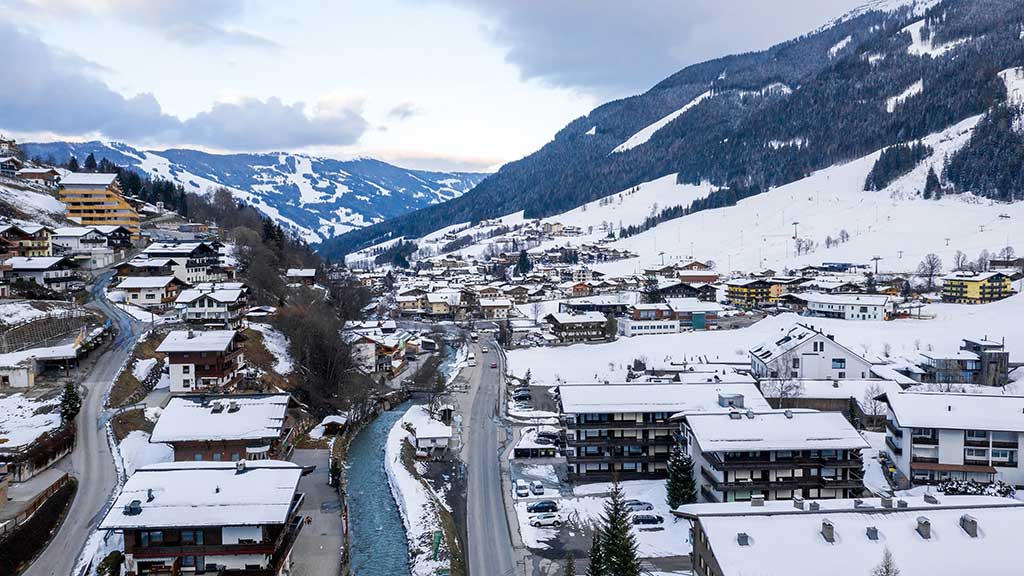
The Val d’Isère ski season will open on 28 November 2026, and the French resort has set out a tougher stance on slope safety, better overnight rail links from the Low Countries and a first village venue from La Folie Douce.
For UK businesses planning incentive trips, client hospitality or a few days of bleisure after a European meeting, the headline points are practical ones: a season that runs from late November to early May, a new cafe with space to work, and discounted spring packages when the slopes are far quieter. The resort was voted second in the Best Ski Resort Survey 2026 by Mountain Management in June.
When does the Val d’Isère ski season open?
The Val d’Isère ski season runs from 28 November 2026 to 2 May 2027. Around 60% of the slopes sit above 2,200m and the resort includes two glaciers, which is why the Val d’Isère opening date falls in late November and skiing continues into May.
Opening weekend, branded ‘First Tracks’, takes place on 28 and 29 November 2026 with entertainment and trials of 2027 equipment. Early-season one-day lift passes cost €68, while a two-day package with accommodation and lift pass starts from €147 per person.
At the other end of the winter, ‘Last Tracks’ runs from 18 April to 3 May 2027. The resort says its equivalent end-of-season weeks in 2025/26 drew 66% fewer visitors than the Christmas and New Year weeks. Packages booked through Val d’Isère Réservation carry 40% off all-inclusive spring breaks of two to six days in hotels or apartments, covering accommodation, lift passes, equipment hire and group lessons for adults and children, plus discounts at partner shops and restaurants. Employers weighing team trips against peak weeks can compare our round-up of lesser-known ski resorts for uncrowded slopes.
Slope safety and a new place to work
After a pilot last winter, the French Alps ski resort formally set up the ‘Pompons Jaunes’ association in July 2026. The name, meaning Yellow Pom-Poms, refers to the ski patrol, and the group now leads safety work across the resort with the backing of more than 400 ambassadors. The Val d’Isère Ski Patrol runs workshops in local schools and supervised speed-skiing sessions every Tuesday during school holidays to teach slope etiquette.
Safety messages in French and English appear on village screens, in local businesses, on social media, the piste map and the official Val d’Isère website. Four safety videos made with École du Ski Français, an online quiz and a safety newsletter sent to lift pass holders on their second day are all new, while signs at major lift stations and app notifications encourage skiers to take the lifts back down to the village. For anyone responsible for colleagues on a group trip across the Val d’Isère ski season, the ten rules of slope conduct are now hard to miss.
In the village, La Folie Douce has converted the historic Maison Chevallot bakery into La Folie Coffee, serving Viennese pastries, sourdough, speciality coffee and snacks alongside work-friendly spaces. A second La Folie Coffee will open at L’Adroit, which also hosts private and corporate events, giving corporate travel planners another venue option in the resort. Bleisure travellers can also see the best ski resorts for après-ski and nightlife.
Lower-carbon rail and grooming
The Travelski Night Express, which reported high occupancy and 95% punctuality in its first season, now links Amsterdam, Rotterdam, Antwerp and Brussels directly with Moûtiers, Aime and Bourg-Saint-Maurice. Operator Compagnie des Alpes has published details of the route. For UK travellers, Eurostar to Brussels or Amsterdam makes the overnight train a realistic alternative to flying to Geneva or Chambéry, and suits travel policies that favour rail. See our feature on new overnight sleeper routes across Europe.
On the mountain, the first Prinoth Leitwolf LTE-Motion electric snow groomer is arriving in the Pisaillas sector, working alongside radar-equipped machines running on Hydrotreated Vegetable Oil (HVO). The resort says the electric model cuts CO2 emissions by 93% compared with HVO fuel, halves running costs, produces no fine particulate emissions and runs almost silently, relevant for companies reporting the carbon footprint of work trips.