Georgia has stopped being a specialist entry on the corporate map. The country recorded more than 5.5 million tourist visits in 2025, an increase of 8.4 per cent on the previous year, while UK arrivals alone rose by more than 39 per cent. For travel managers and SME owners weighing up where to send teams, clients or incentive winners, Georgia luxury travel has moved from curiosity to credible shortlist entry.
The practical driver is access. Direct flights between London and Tbilisi have turned a country that once demanded a connection through Istanbul or Warsaw into a viable long weekend, which matters when a trip has to justify itself against three working days. That puts Tbilisi in the same booking conversation as Lisbon or Kraków for offsites and client entertaining, rather than in the adventure travel bracket where it has sat for the past decade.
Tbilisi’s creative pull and the Kakheti add-on
The capital is doing most of the heavy lifting. Mercedes-Benz Fashion Week Tbilisi has returned after a three-year gap, and Tbilisi Art Fair continues to build its profile, backed by a generation of Georgian designers now getting international attention. For UK companies, that is a calendar to plan around, and a reason to schedule a visit for a specific week rather than treat the city as a year-round blank.
Two hours east, Kakheti supplies the counterweight. The region is one of the world’s oldest wine areas, set against the Caucasus and built around food, vineyards and historic sites. Pairing a working day or two in Tbilisi with a night in Kakheti creates a dual-destination trip that reads as generous without costing what a comparable itinerary would in Tuscany or Bordeaux. It is a structure that suits both incentive programmes and the extended business trip, and it lands as 60 per cent of UK workers now extend business trips into holidays.
Hotel supply is catching up with demand
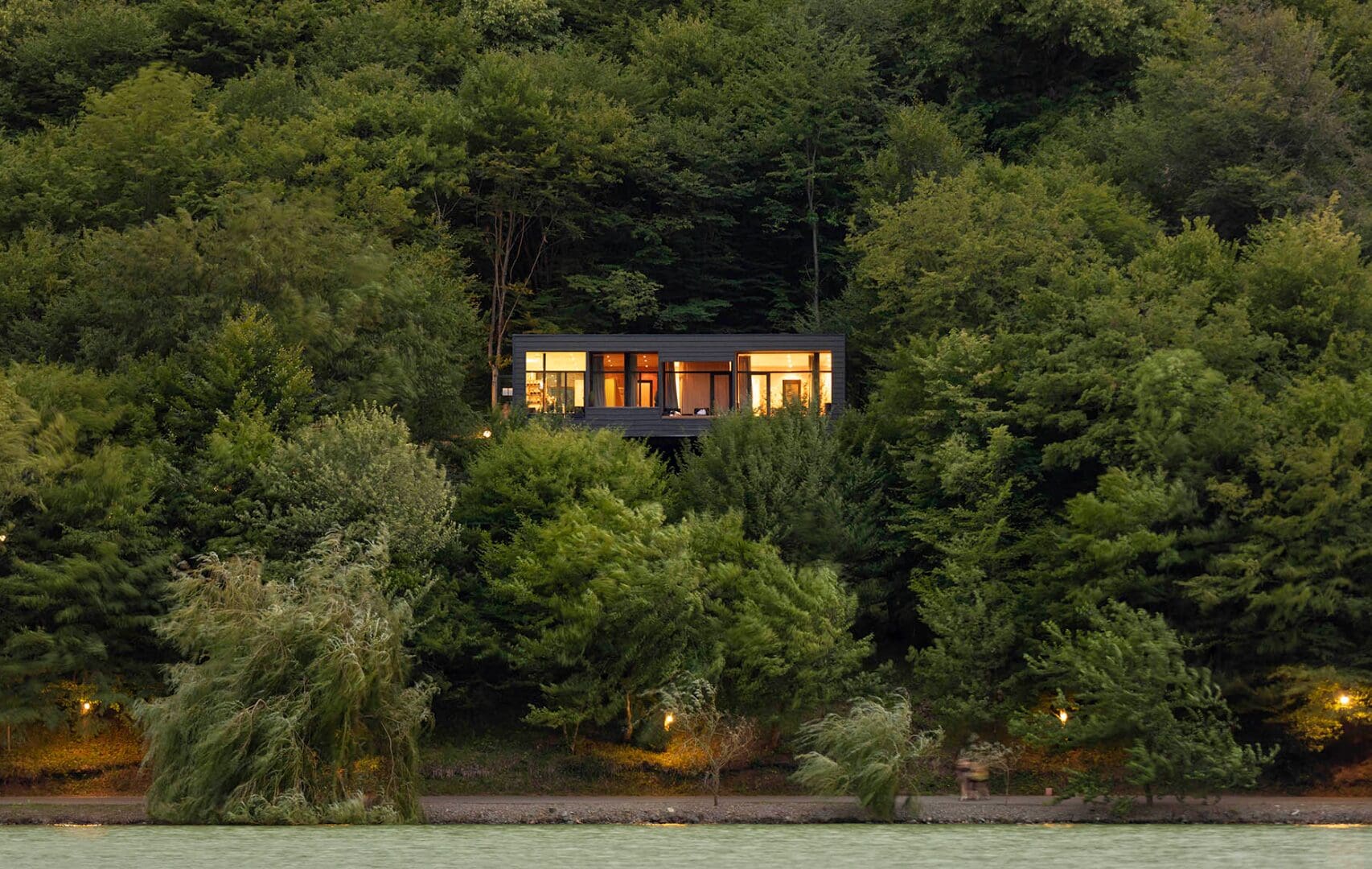
Room stock has been the constraint, and it is easing. Lopota Lake Resort and Spa, spread across sixty hectares in Kakheti, combines lakeside rooms, dining, outdoor activities, its own Château Buera winery and the Forest Spa. Its tie-up with Swiss skincare brand Valmont imports recognised wellness expertise, and its recent MICHELIN Key marks the point at which Georgian hospitality starts being assessed by the same standards buyers apply in Western Europe.
In the capital, Tbilisi’s first integrated resort has added meaningful capacity at the upper end, part of a broader wave of openings comparable to the luxury hotel openings shaping business travel in 2026. The effect for buyers is straightforward: more properties able to take a group of 20 without compromise, and more competition on rate.
What to check before you book
Two caveats belong on any Georgia proposal. The first is regional. The Foreign, Commonwealth and Development Office advises against all travel to South Ossetia and Abkhazia, and against all but essential travel to areas immediately next to their administrative boundaries, so itineraries and insurance need checking against current FCDO travel advice before anything is signed off.
The second is seasonality. Growth on this scale, confirmed by Georgian National Tourism Administration figures, tightens availability around the events that are drawing people in. Fashion week and art fair dates are exactly when a delegation will struggle to find beds in Tbilisi at a sensible rate, so book early or plan around them.
None of this makes Georgia a mainstream corporate destination yet. It does make it a serious option for companies that want a trip to feel considered rather than routine, at a cost that still compares well with the established European circuit.