Businesses around the world are refusing to ground their travellers, even as the cost of getting on the road climbs across almost every category, new figures from SAP Concur show.
For UK SMEs weighing up travel budgets for the rest of the year, the message from the data is clear: most organisations are choosing to absorb higher prices rather than cut trips, a sign that face-to-face meetings still command a premium in the post-pandemic economy.
Costs up across the board
SAP Concur global data covering 1 January to 31 May 2026 shows business travel costs rose in nearly every major category year on year. Airfare climbed more than 8%, hotel rates increased almost 6%, and car rental costs rose roughly 5%.
Fuel was the standout. The average transaction in the gas category of Concur Expense jumped approximately 22% globally, from $50 in February to $61 in April, with similar spikes recorded in countries around the world.
Despite those increases, overall air and hotel booking volumes stayed relatively flat year on year. The figures echo recent findings that the UK recorded one of the sharpest rises in corporate travel spending globally in 2025, with budgets still expanding rather than contracting.
Travellers swap hire cars for trains
Higher fuel prices are already reshaping how employees move around once they land. Car rental bookings fell roughly 4% globally, while rail bookings rose approximately 4%, suggesting organisations are seeking cheaper or more efficient alternatives as pump prices bite.

That shift mirrors a broader trend among business travellers choosing train travel over other modes, driven by sustainability targets and the productivity benefits of working on board. For UK firms looking to reduce travel costs without cutting trips, swapping short-haul hire cars for rail is proving one of the easier wins.
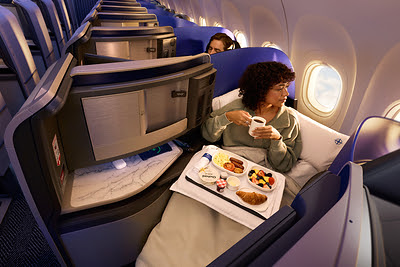
Notably, companies have not pulled back at the front of the plane. Premium cabin bookings, covering business and first class, increased about 9% year on year. Economy bookings were flat, while premium economy declined approximately 15%. For longer flights and international trips in particular, some organisations still view premium travel as a worthwhile investment in traveller wellbeing.
What to watch in the second half of 2026
There are early signs that rising costs and operational disruption could start to dent demand, with significantly higher average airfares and reduced airline capacity in some parts of the world. The coming months will show whether this proves a short-term adjustment or the start of a broader change in behaviour.
The case for keeping people on the road remains strong. In a recent survey conducted in the US on behalf of SAP Concur, 90% of frequent business travellers said travelling for work had positively impacted their careers, underlining the retention and development benefits of protecting travel budgets even as prices rise.
For now, the data suggests companies view business travel as an investment in relationships, employee development and long-term growth, one they are prepared to keep paying more for.