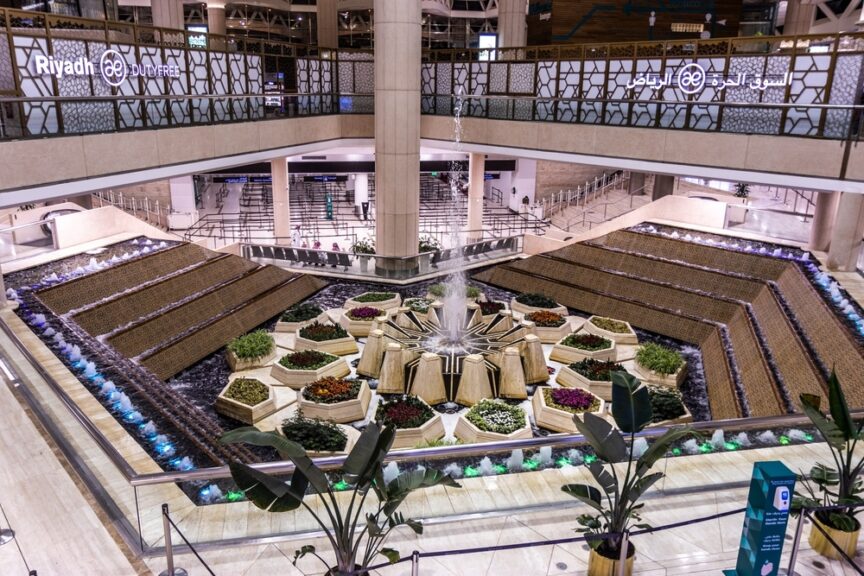
King Khalid International Airport in Riyadh has formally moved to a silent airport model, switching off routine public address announcements in favour of digital communication. Boarding calls, gate changes and final notices are no longer broadcast over the loudspeakers, and only emergency messages will still be delivered over the PA system.
For UK business travellers heading to Saudi Arabia’s busiest airport, the practical consequence is immediate. Nobody is going to shout your name across the terminal any more. Passengers are expected to take their cues from flight information screens, airline apps, mobile notifications and staff on the floor, which puts the responsibility for catching a gate change squarely on the traveller.
Riyadh Airports Company, which runs King Khalid International Airport, says the change is intended to cut noise pollution, improve the clarity of information and create a more premium atmosphere in the terminal. The airport has expanded its digital infrastructure to support the switch, with real time updates displayed throughout the building, enhanced mobile alerts from airlines and staff stationed at key junctions to help with wayfinding. The airport WiFi portal now also carries live flight status information, so there are several parallel channels carrying the same message.
What the change means at the gate
The upside for anyone travelling on business is a terminal that is genuinely easier to work in. Constant overhead announcements are the single biggest obstacle to taking a client call, joining a video meeting or holding an informal conversation before boarding, and removing them makes the gate area a usable workspace rather than somewhere to be endured. Anyone who has tried to run a conference call in a busy Gulf hub will recognise the difference.

The trade off is vigilance. Frequent flyers who have spent years half listening for their flight number now need a different habit: keep the airline app open with push notifications enabled, check the departure boards on a regular cycle rather than once on arrival, and choose a seat within sight of a screen. That matters most for anyone connecting through Riyadh on a tight turnaround, where a gate change buried in a phone notification is easy to miss.
Two practical points are worth checking before departure. First, push alerts only work if data does, so make sure roaming is active or connect to the airport WiFi as soon as you land, particularly because that portal doubles as a flight status channel. Second, if you are travelling with colleagues who are less confident with airline apps, agree a check-in point and a screen to watch, because there will be no audible prompt to gather the group.
Why the King Khalid International Airport silent airport move matters
The switch places Riyadh alongside Singapore Changi, Zurich and Helsinki, where quieter terminals are already treated as part of a premium passenger experience. It also sits within Saudi Arabia’s wider aviation programme under Vision 2030, which aims to establish Riyadh as a major global hub for both business and leisure traffic, an ambition set out in the country’s national aviation strategy.
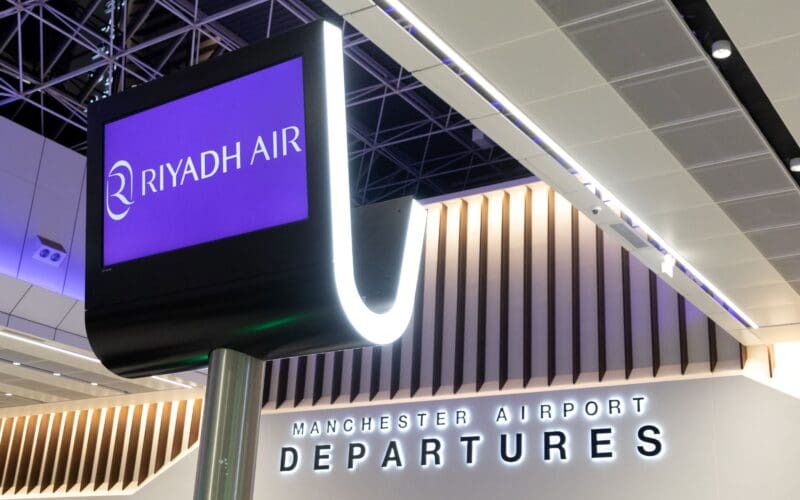
That context matters for UK companies because Riyadh is no longer an occasional destination. Direct capacity between Britain and the Saudi capital has been building steadily, with Riyadh Air opening Manchester to Riyadh ticket sales and the kingdom pursuing an expansion built around three new airlines. The city has also been positioning itself hard as a business events destination, as its hosting of IMS25 in Riyadh demonstrated.
For travel managers, the silent airport model is a small but real change to duty of care and traveller briefing. It is worth adding a line to pre trip guidance for Riyadh reminding staff that announcements have gone, and that the airline app is now the primary source of gate information. For the traveller, the pay off is a calmer terminal that reflects how business trips are actually spent, working, calling and preparing, rather than listening out for a tannoy.