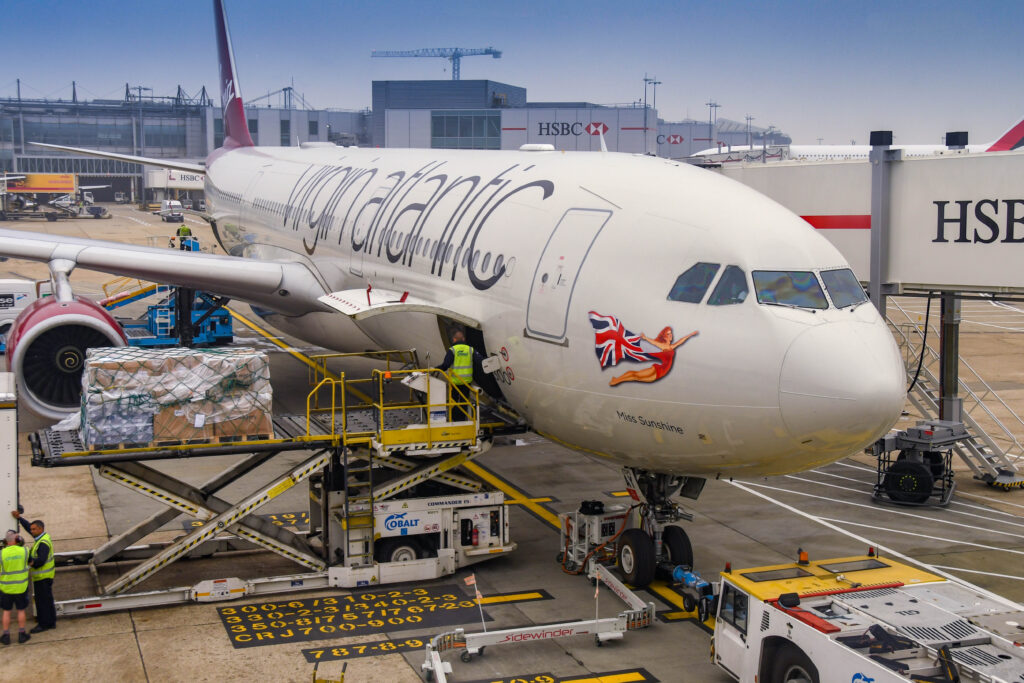
Virgin Atlantic said it is has attracted “tens of thousands” of disaffected British Airways customers to its loyalty programme, following a targeted status upgrade campaign aimed at frequent flyers.
The carrier, founded by Sir Richard Branson and part-owned by Delta Air Lines, launched its “Save Your Tiers” promotion around Valentine’s Day, offering BA frequent flyers an upgraded membership tier if they joined Virgin’s Flying Club.
The offer, which ran until 23 February, allowed customers with an upcoming Virgin Atlantic flight to receive enhanced status, regardless of whether they are already members.
The move comes amid ongoing dissatisfaction among BA’s frequent flyers following changes to its loyalty programme introduced last April. The overhaul shifted qualification criteria from distance travelled to total spend, a change designed in part to reduce overcrowding in airport lounges.
The full impact of those changes will be felt next month, with some long-standing customers expected to lose Gold tier status, particularly leisure travellers who previously qualified through frequent long-haul travel rather than high annual spend.
Virgin’s status offer is reportedly more generous than similar “status match” campaigns launched by Air France-KLM and Lufthansa, which have also sought to lure BA customers.
Anthony Woodman, head of Virgin Flying Club, told the Financial Times that the airline was already “firmly in thousands” of new sign-ups and expected significant additional volume before the campaign closes.
“We expect our Gold and Silver members to grow by double-digit percentages comfortably over a 12-month period,” he said.

The strategy carries potential financial implications. If newly upgraded Gold members choose to fly with partner airlines such as Delta or Air France, Virgin may need to compensate those carriers for lounge access without capturing the associated ticket revenue.
However, the airline’s objective appears longer term: encouraging BA loyalists to trial Virgin’s product and, ultimately, switch future bookings.
New members will retain their upgraded status for one year but must meet standard Flying Club requirements to requalify thereafter.
Woodman acknowledged the scale of the opportunity, saying the campaign had initially made commercial teams “nervous” about uptake, but argued it was the right move for customers seeking recognition and flexibility.
Virgin operates roughly 70 departures per day, about one-tenth of BA’s scale, but believes its lounges can absorb additional elite members without overcrowding.
BA described the promotion as “a well-executed PR stunt”, adding that customers would ultimately judge on service and value. The airline maintains that its revamped loyalty model rewards customers more fairly and has expanded reward seat availability while reducing redemption costs.
For UK business travellers, the campaign signals an intensifying battle for premium loyalty with lounge access, tier recognition and perceived value now central to airline competition on key transatlantic and long-haul routes.