Set along the Keizersgracht in Amsterdam’s protected canal belt, The Dylan Amsterdam is the kind of hotel that reveals itself slowly.
Housed within a collection of seventeenth‑century canal houses in the Nine Streets district — a neighbourhood known for its independent boutiques, galleries and makers — the hotel blends deep history with a quietly progressive approach to sustainability. It’s elegant, understated and unmistakably local, the sort of place where heritage and contemporary hospitality meet without ever competing.
The buildings that now form The Dylan have lived many lives. Originally part of Amsterdam’s Golden Age canal expansion, the houses have served as cultural venues, private residences and creative spaces over the centuries. Their protected status means change happens carefully and incrementally, a philosophy the hotel has embraced wholeheartedly. Every upgrade must respect the original architecture, resulting in a property where craftsmanship, restraint and authenticity guide every decision.
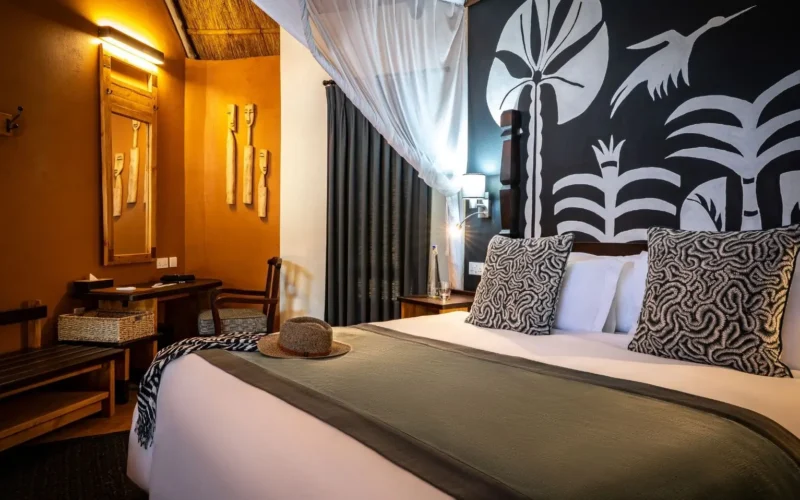
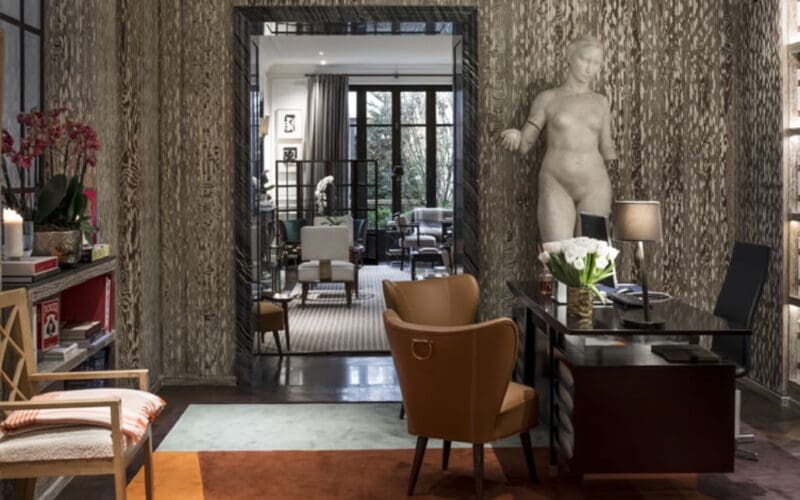
Inside, the hotel’s rooms and suites reflect the same balance of heritage and modernity. Expect exposed beams, original architectural details and a palette of warm woods, soft textiles and contemporary Dutch design. Each room feels individually considered rather than formulaic, with thoughtful touches that nod to the building’s past while offering the comfort and quiet luxury expected by today’s travellers. Views stretch over courtyards, rooftops or the Keizersgracht itself, grounding guests in the rhythm of the canal belt.
Working within protected canal houses means sustainability starts with the building itself. The Dylan follows a Green Globe‑certified Sustainability Management Plan, focusing on measurable, practical progress rather than sweeping claims. Energy, water and greenhouse gases are monitored monthly, lighting is steadily transitioning to 100% LED, and operational choices from linen on request to separated recycling streams and eco‑labelled paper to reduce daily impact.
In 2024, one of the canal houses became fully gas‑free, powered by a heat pump and improved façade and window insulation, a significant achievement in a centuries‑old structure.
A fabric‑first approach guides upgrades: Fineo high‑performance insulation glass, interior façade insulation and heat‑recovery ventilation improve efficiency without altering the historic exterior. A seasonal thermal energy storage project is underway to further reduce the carbon footprint of heating and cooling. Materials are repaired, reused or repurposed wherever possible, and procurement prioritises durability, refillable amenities and local suppliers unless craftsmanship requires sourcing further afield. Even the hotel bicycles are made from recycled components of old Dutch bikes.
The Dylan’s sustainability ethos extends beyond the building. Turndown treats come from Lanskroon, a historic bakery producing limited‑run stroopwafels, keeping spend within the neighbourhood. The hotel’s bespoke fragrance is created with Nose and Partners, a Benelux studio. In the restaurants, sourcing focuses on seasonal, responsibly produced ingredients from regional artisans.
One of the hotel’s most charming initiatives is its rooftop beekeeping project, led by a staff painter retrained as a certified beekeeper. Two colonies now produce honey used at breakfast and in cocktails, while supporting pollination along the canal belt — strengthening street trees, courtyard plantings and rooftop herbs. It’s a small but meaningful boost to urban biodiversity.
The Dylan offers something rare in a historic city centre: a sense of calm, craftsmanship and community woven into every detail. It’s a hotel that honours its past while quietly investing in the future — a place where sustainability feels lived‑in rather than labelled, and where guests can experience Amsterdam’s canal belt with depth, authenticity and a light footprint.
How we review
Travelling for Business pays for the rooms, flights and products we review unless we explicitly say otherwise. We never accept paid reviews or gifted stays in exchange for coverage.