Lemala Osonjoi Lodge has celebrated its first year on the remote eastern rim of the Ngorongoro Crater, marking a milestone in its mission to redefine what responsible luxury can look like in one of Africa’s most fragile ecosystems.
Opened in July 2025, the lodge was built to show how tourism can actively support long‑term landscape protection while ensuring neighbouring Maasai communities benefit from its presence .
Rather than focusing solely on traditional game drives, Osonjoi encourages longer stays and slower, more immersive travel. Guests explore the wider highland ecosystem through nature walks, cultural experiences with Maasai hosts, wellness activities and off‑vehicle encounters — all designed to disperse visitor pressure beyond the Crater floor’s busiest areas .
Built in close collaboration with local communities and powered entirely by solar energy, the lodge blends naturally into its high‑altitude surroundings. Every detail — from recycled materials to community‑led experiences — reflects a deep commitment to protecting the landscape and preserving cultural heritage .
A Strong First Year
Twelve months on, Osonjoi has hosted 6,635 bed nights across its 20 solar‑powered suites at nearly 2,500 metres above sea level . Its privileged position above the Lemala Gate gives guests access to one of the Crater’s quieter descent roads, offering peaceful, crowd‑free wildlife viewing moments .
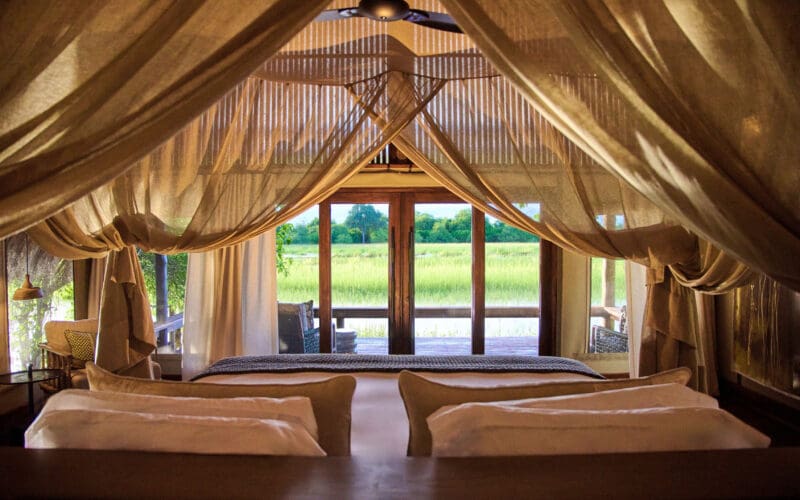
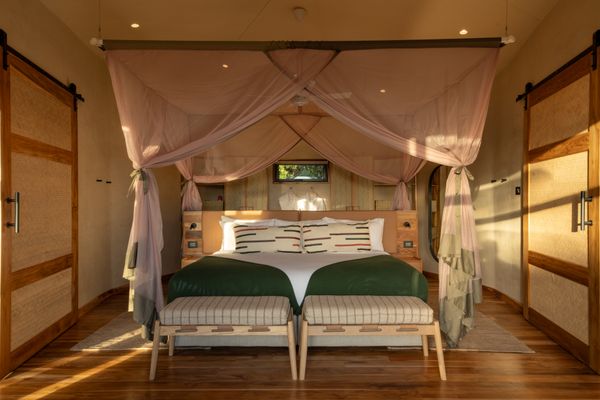
Suites combine contemporary African design with Nordic influences suited to the cool mountain climate, featuring hand‑finished timbers, charred wood cladding and panoramic crater views. Thoughtful touches — slow‑burning stoves, electric blankets, hot water bottles and the lodge’s signature “secret nook” daybed — have become defining elements of the guest experience. The Forest Spa, indoor heated pool and private crater‑floor lunches round out the offering .
Guest feedback has been consistently strong, with praise for the guiding team, the depth of knowledge, and the authentic hospitality shown by staff and Maasai escorts. One TripAdvisor guest described their stay as a “10 out of five” .
Impact and Community Investment
Osonjoi’s regenerative model is already delivering measurable results. Operating entirely off‑grid, its solar system generated 91,802 kWh in 2026 to date, saving more than 73,000 kg CO₂ compared with diesel power. Waste management has diverted an average of 88% of waste from landfill each month through recycling and upcycling partners in Arusha .
The lodge contributed US $702,962 in crater fees, conservation fees and levies to the Ngorongoro Conservation Area Authority during its first year — funding wildlife protection, habitat management, research and support for Maasai communities .
Community initiatives have expanded significantly: school supplies for 25 students affected by drought, food support for local primary schools, over 1,000 reusable sanitary pads donated to girls and clinics, and revenue‑generating partnerships with the Irkeepusi Women’s Group, helping them register as a licensed business .
Looking Ahead
As Osonjoi enters its second year, the lodge will commission its full water and waste management system and expand its girl‑child empowerment programmes into more remote Maasai communities. CEO Leanne Haigh says the team is proud of the lodge’s positive impact and remains committed to deepening its community partnerships and conservation contributions .
Lemala Osonjoi’s first year shows that luxury safari and landscape protection can work hand‑in‑hand – offering a compelling blueprint for the future of responsible travel in Africa .