An Istanbul property that was never designed for medical travel has become one of the most recommended addresses among international patients and families visiting the city for treatment, offering a case study in how extended stays reshape what travellers actually need from a hotel.
Best Western Plus Hotel & Residence Istanbul has built its reputation within an oncology community spread across Europe and North America without running a campaign or repositioning the brand. Guests first arrived because of the property’s proximity to a leading treatment centre. Increasingly, they arrive because a former patient, a family member or a caregiver told them to. For UK travellers, the pattern is a reminder that when a trip stretches from days into weeks, the calculation behind an accommodation booking changes entirely.
Why long stays break the standard hotel model
Medical journeys rarely hold to a schedule. Treatments are extended, plans shift and family members come and go. What starts as a short booking can run to several weeks or months. Under those conditions, details that barely register on a two-night trip become decisive: usable space, kitchen facilities, flexibility on dates and a front desk that recognises returning faces.
Business travellers will find that familiar. The same pressures apply to secondments, project postings and any assignment where a room becomes a temporary home rather than a place to sleep between meetings. It is one of the reasons the extended stay hotel sector is forecast to grow strongly through to 2035, with residence-style formats increasingly treated as a mainstream option rather than a fallback.
The Istanbul property’s response developed organically rather than by design. Residence-style accommodation, kitchens and personalised service became the reasons guests kept recommending it onward.
A shared cupboard, not a loyalty scheme
The most revealing example came from an observation rather than a strategy document. Staff noticed that long-stay guests were buying similar everyday items during their time in Istanbul, from practical household essentials to comfort items intended to make an extended stay more manageable. When treatment ended and guests went home, much of it was left behind.

Rather than treat that as waste, the hotel created a dedicated community-sharing space allowing useful items to pass from one guest to the next. The idea was simple. The response was not. What began as a practical fix became an informal expression of solidarity among people connected by circumstance rather than acquaintance.
Guests describe arriving somewhere that already feels known to them through the experiences of others who came before. The hotel is now exploring informal gatherings and further community initiatives for long-stay guests and accompanying family members, without positioning hospitality as a substitute for professional support.
What UK travellers should weigh up
Turkey remains one of the most significant destinations for British travellers seeking treatment abroad, and the practical risks are well documented. The Foreign, Commonwealth and Development Office advises anyone considering medical, surgical or dental treatment in Turkey to discuss plans with a UK clinician first and to research independently, noting that private companies booking treatment have a commercial interest in the outcome. Separate guidance on hospitalisation abroad sets out the limits of consular assistance.
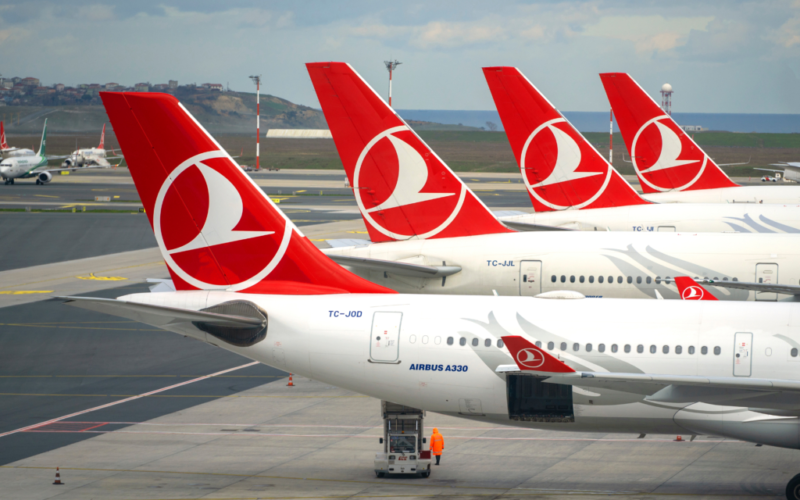
Istanbul’s connectivity continues to improve, with Turkish carriers steadily adding European routes from the city, and the hotel market is deepening alongside it, including substantial investment in landmark city properties.
For travel managers and SME owners booking anything longer than a fortnight, the lesson travels well beyond healthcare. Reputation built on repeat recommendation tends to reflect what a property actually delivers on day thirty, not day one.